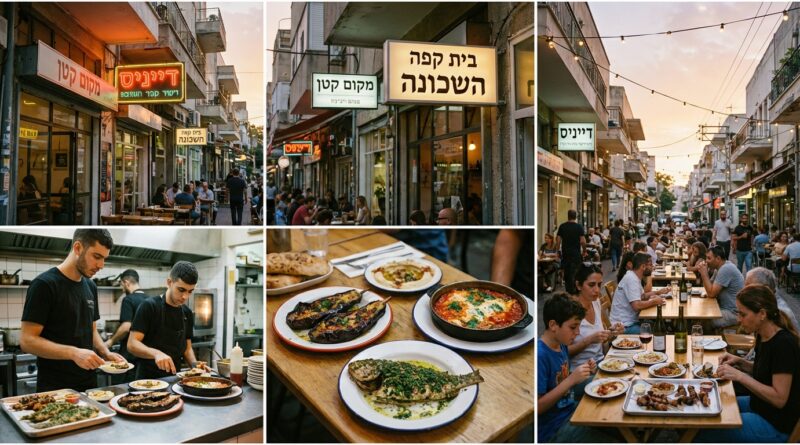
Beyond Tel Aviv and Jerusalem: The Surprising Israeli Neighborhoods Quietly Filling Up With Brilliant New Restaurants
It is oddly easy to feel late to the party when you follow restaurant news in Israel. By the time everyone posts the same Tel Aviv opening or the same Jerusalem chef comeback, the tables are gone, the buzz is old, and the meal feels less like a discovery and more like homework. That is why more diners are starting to look past the usual hotspots and into neighborhoods that barely made the food pages a year ago. The real excitement now is often in places people once drove through without stopping. Think Petah Tikva, Kiryat Ono, Holon, Be’er Sheva and the Haifa suburbs. These are the places where younger chefs, family teams and first-time owners can still take risks, keep prices sane and build a loyal crowd before the whole country catches on. If you want the most interesting new neighborhood restaurants in Israel, this is where to start looking now, not six months from now.
⚡ In a Hurry? Key Takeaways
- The most exciting new neighborhood restaurants in Israel are increasingly opening outside the usual Tel Aviv and Jerusalem dining zones.
- Check residential areas in Petah Tikva, Kiryat Ono, Holon, Be’er Sheva and the Haifa suburbs before places become impossible to book.
- These spots often offer better value, a more local crowd and a stronger chance to support small independent kitchens instead of tourist-heavy destinations.
Why the center of the story is shifting
For years, the pattern was simple. Big-name chefs opened in central Tel Aviv. Jerusalem got a few destination addresses. Everyone else chased reservations there.
That model is changing. Rent is a big reason. So is fatigue. Diners still want polished food, but they do not always want parking nightmares, inflated prices or a room full of people filming every plate. In neighborhood settings, chefs can open smaller, test ideas faster and build menus around regulars, not just weekend hype.
The result is a quieter food movement. It is less about one blockbuster launch and more about clusters. A bakery-cafe here. A chef-run bistro there. A wine bar beside a residential strip mall. Suddenly an area that once had one decent lunch option now has a real dining scene.
What makes these neighborhoods worth your time
They feel personal
Neighborhood restaurants tend to remember people. Owners greet guests at the door. Menus change because the kitchen wants to try something new, not because a consultant says it will photograph better.
Prices are often more forgiving
Not cheap in every case, but usually fairer. Lower overhead can mean better value. You are more likely to find a serious meal at a price that does not punish you for sitting in a fashionable zip code.
The food can be more adventurous
This sounds backward, but it is true. In a less exposed neighborhood, cooks can take chances. They can mix family cooking with modern plating, local produce with immigrant traditions, and comfort food with sharper technique.
Where to look now
Petah Tikva
Petah Tikva has been slowly shaking off its old image as a practical city with little food personality. New spots here often succeed by serving nearby residents first. That means strong breakfasts, smart lunch menus and dinner places that can handle both date night and family tables.
Watch for chef-led places near newer residential developments and mixed-use streets. The best ones are not trying to copy Tel Aviv. They are more grounded. Expect grills, modern Israeli small plates, good pastry programs and unfussy wine lists.
Kiryat Ono
Kiryat Ono is the kind of place where a good restaurant can become part of daily life very quickly. That is exactly why it matters. Rather than chasing tourists, operators here often focus on consistency, comfort and a polished but relaxed room.
That can lead to a surprisingly high standard. If a place in Kiryat Ono wants repeat business from locals, it cannot live on buzz alone. It has to be good on a random Tuesday.
Holon
Holon has long had the population to support better dining than outsiders assumed. Now the restaurant scene is starting to catch up. New neighborhood openings here often have a creative edge, partly because the city attracts a mix of young families, commuters and longtime residents who know exactly what they like.
Look beyond the obvious commercial strips. Some of the strongest restaurants are in ordinary-looking areas where the menu is doing far more than the storefront suggests.
Be’er Sheva
Be’er Sheva is one of the most interesting cities to watch because the audience is so mixed. Students, professionals, families and visitors all eat differently, and smart restaurateurs are responding. The city’s better new places are not just “good for the south.” They are good, full stop.
You may find more boldness here than in cities with heavier expectations. Menus can be looser, hospitality warmer and prices easier to justify. For diners tired of the center, that is a real draw.
The Haifa suburbs
The Haifa story is no longer only about the city center or the port. Suburban pockets around Haifa are seeing a wave of smaller restaurant projects that feel rooted in local life. These places often reflect the region’s mix of communities, which means the food can be broad, layered and very specific at the same time.
If this wider northern shift interests you, it is also worth reading North of Tel Aviv: The Coastal Towns Quietly Opening Israel’s Most Exciting New Restaurants. It captures the same idea from another angle. Some of Israel’s best meals are now showing up where people are not automatically looking.
How to spot a breakout neighborhood restaurant before everyone else does
Watch local crowds, not just food media
If the room is full of nearby residents within weeks of opening, pay attention. Locals are usually a better signal than splashy launch coverage.
Check when the place is busy
A restaurant packed on a Thursday night proves little. One that is lively on Sunday or Monday is usually doing something right.
Read the menu for confidence
Too many dishes can be a warning. The strongest neighborhood spots usually have a point of view. Maybe it is a tight grill menu, a sharp natural wine list, or one style of regional cooking done really well.
Look for owners who are present
Hands-on owners matter, especially early on. When the people behind the restaurant are in the room, standards tend to hold.
Why these places often book out fast once people notice
Most of these restaurants are small. They do not have giant dining rooms or investor money to scale overnight. Once a few strong reviews land and Instagram catches up, the same thing happens every time. Reservation slots disappear. Walk-ins get risky. The atmosphere changes a bit too.
That is the frustrating part for diners. You hear about the place just as it becomes harder to enjoy casually. The fix is simple. Pay attention to neighborhoods, not just famous names.
Practical tips for trying new neighborhood restaurants in Israel
Go early in the life of the restaurant
The first one to three months can be the sweet spot. The energy is high, the team is present, and the crowds have not peaked yet.
Call if the online system looks full
Smaller places do not always manage reservations perfectly online. A quick call can still get you a table.
Ask what the kitchen is proud of
This works especially well in neighborhood restaurants. Staff will often steer you toward the dishes that actually define the place.
Build a meal around the area
Do not treat these neighborhoods like a one-stop errand. Walk around. Get coffee nearby. Visit a bakery. The point is to see how food culture is growing in ordinary streets, not only in famous districts.
What this says about Israeli food right now
Israeli dining is getting more local, not less ambitious. That is the interesting part. The new energy is not only coming from luxury rooms and high-profile chefs. It is coming from residential neighborhoods where cooks are building businesses that fit the lives around them.
That creates a healthier food culture. One where diners can actually return. One where restaurants are judged by how they feed people week after week, not just by launch-week excitement.
At a Glance: Comparison
| Feature/Aspect | Details | Verdict |
|---|---|---|
| Price and value | Neighborhood spots in cities like Holon or Petah Tikva often have lower overhead and more approachable pricing than central Tel Aviv openings. | Usually better value for regular dining. |
| Atmosphere | Smaller rooms, more local diners, less scene-chasing and a stronger sense of community. | Best for diners who want a more personal meal. |
| Discovery potential | Areas like Kiryat Ono, Be’er Sheva and the Haifa suburbs still have standout places that are under the radar. | High. Go now before they become harder to book. |
Conclusion
The smartest way to eat in Israel right now is to widen the map. If you keep chasing only the best-known streets in Tel Aviv and Jerusalem, you will miss some of the country’s most exciting meals. The new neighborhood restaurants in Israel are proving that great dining no longer needs a famous address to matter. A focused look at places in Petah Tikva, Kiryat Ono, Holon, Be’er Sheva and the Haifa suburbs helps you skip tourist traps, back small independent teams and catch Israeli food while it is still changing in real time. That is where the fun is now. And if you move early, you might even get a table.