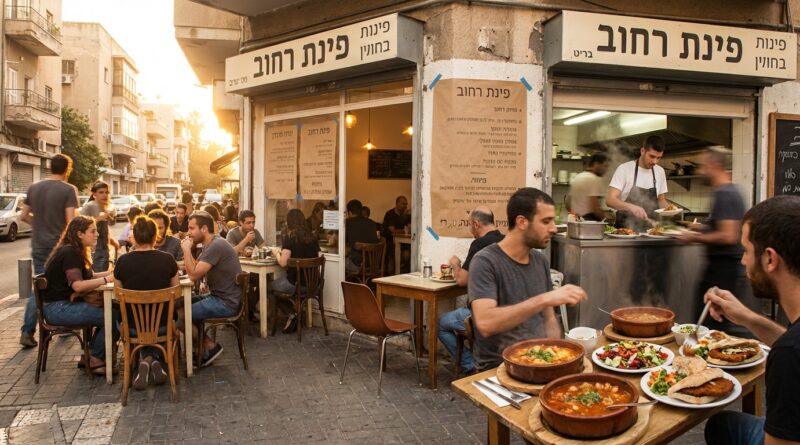
From War-Time Pop-Ups to Permanent Kitchens: The New Wave of Tel Aviv Comfort Food Spots You Need To Know Now
You are not imagining it. A lot of the “Tel Aviv is back” food roundups do feel stuck in 2022, repeating the same famous counters, the same glossy brunch spots, and the same safe picks for visitors. Meanwhile, the real energy has shifted. Some of the most interesting new comfort food restaurants in Tel Aviv 2026 grew out of wartime meal trains, apartment-hosted dinners, and pop-ups built to feed evacuees, neighbors, and anyone who needed a hot plate and a place to breathe. Now, a handful of those cooks have turned that urgency into permanent kitchens. They are not trying to impress you with foam or a reservation waitlist. They are serving kubbeh, schnitzel, cholent, stuffed vegetables, handmade noodles, and tray-baked sweets that feel personal, filling, and needed. If you want the places locals are actually talking about right now, this is the list to start with, complete with neighborhoods, standout dishes, and realistic price ranges.
⚡ In a Hurry? Key Takeaways
- The most exciting new comfort food restaurants in Tel Aviv 2026 are small, chef-owned spots that grew out of crisis-era pop-ups and home kitchens, not the usual big-name openings.
- Go early, follow Instagram for daily specials, and ask what sold well at lunch. These places often cook in small batches and change menus fast.
- Your money goes further here. Most mains land around 48 to 88 NIS, and eating at these spots directly supports cooks rebuilding businesses, routines, and communities.
Why these are the places worth your time now
Comfort food in Tel Aviv used to mean something predictable. Maybe a late-night pita, maybe a polished bistro version of your grandmother’s stew. That is not the full story anymore.
The newest wave is more intimate. You can feel where it came from. Dishes are often built around memory, shortage, improvisation, and care. A cook who started by sending trays to soldiers now has six tables and a lunch line. A baker who sold slices from a temporary market stand now runs a tiny cafe with one savory special a day. A couple who hosted Shabbat meals for displaced families now serve a short menu that changes with what they can source and what they can afford.
That matters, because it changes how you eat. These are places where the food is meant to steady you, not just entertain you.
Five small, soul-driven spots locals are flocking to
1. Tzlachat Shel Bayit, Levinsky area
This little place started as a rotating meal project out of a home kitchen during the hardest months, then moved into a narrow storefront near Levinsky Market late last year. It still feels homemade in the best way.
What to order: chicken schnitzel with mashed potatoes and cucumber salad, slow-cooked beef with freekeh, and a soft semolina cake that usually sells out by mid-afternoon.
Price range: 52 to 76 NIS for mains. Desserts around 18 to 26 NIS.
Why locals like it: Portions are generous, seasoning is confident, and nothing feels cynical. It tastes like somebody cooked for people they actually know.
Best time to go: Weekday lunch. By dinner, the top specials can be gone.
2. Ima Shelanu, Florentin
Florentin does not need another ironic sandwich shop. This place understood that. Ima Shelanu opened after a run of community dinners and built a menu around Sephardi and Iraqi comfort dishes that can be plated fast without losing soul.
What to order: kubbeh hamusta on Fridays, burnt-edge rice with stewed beans, and a deeply comforting roasted eggplant stuffed with lamb and herbs.
Price range: 48 to 82 NIS.
Why locals like it: It feels unfussy. The room is plain. The food is not. Also, the staff will actually tell you what is best that day instead of reading a script.
3. HaTavshil, Kerem HaTeimanim
This is one of the stronger examples of a war-time pop-up turning into a permanent neighborhood room. The menu is short, changing, and based on one-pot dishes, breads, and a few small plates. If that sounds simple, good. That is the point.
What to order: beef and chickpea stew over torn challah, lemony fish patties, and their tray of roasted carrots with labneh and dukkah.
Price range: 55 to 88 NIS.
Why locals like it: There is no performance here. It is hearty without being heavy, and the kitchen seems to know exactly how much comfort a plate should give.
4. Laila Tova Noodles, north of Rothschild
Not every comfort story in Tel Aviv is old-school Middle Eastern. This tiny noodle bar came from apartment supper clubs and aid events where the owners served hand-pulled noodles and broth to whoever showed up. Now they have a small permanent kitchen and one of the warmest night meals in town.
What to order: chicken broth with broad noodles, mushroom sesame noodles, and a cabbage pancake with chili crisp.
Price range: 46 to 72 NIS.
Why locals like it: It is the kind of place you can visit alone and not feel strange. Also, there is real care in the broth. That sounds small, but it is everything.
5. Savta’s Counter, Jaffa border area
The name sounds cute. The food is not cute. It is serious home cooking, done with enough skill to keep the regulars coming back but without stripping away the feeling that made people love it in the first place.
What to order: stuffed onions, crispy-edged kugel on Thursday nights, and a tomato-braised meatball plate with challah.
Price range: 50 to 84 NIS.
Why locals like it: The menu changes around family recipes and what is available that week. You go for one dish and leave planning your next visit around another.
How to spot the real thing, and avoid another recycled “hot list” pick
If you are trying to find the best new comfort food restaurants in Tel Aviv 2026, a few clues help.
Look for short menus
When a place has eight things and all of them sound like somebody cares, that is usually a good sign. When a “new” comfort spot serves shakshuka, sushi, pasta, schnitzel, and tacos, you are probably looking at branding, not a point of view.
Check whether the specials change often
Many of these kitchens are still operating lean. They buy carefully, cook in small batches, and sell out. That is not a flaw. It is often why the food tastes alive.
Notice the crowd
You want to see neighbors, solo diners, people in work clothes, parents with kids, and someone picking up two extra containers “for home.” That mix usually means trust.
Ask one simple question
Ask, “What are people coming back for?” You will get a better answer than, “What is your signature dish?” Staff at these places usually know exactly what keeps regulars loyal.
What to expect on price, portions, and booking
The good news is that many of these spots are still priced like neighborhood places, not destination restaurants. In most cases, you are looking at:
- Small plates: 18 to 34 NIS
- Mains: 48 to 88 NIS
- Desserts: 16 to 28 NIS
- Lunch deals, where offered: 55 to 79 NIS
Reservations vary. Some take them only for dinner. Some barely have enough seats to bother. Some run mostly on walk-ins and takeaway. Before going across town, check Instagram stories or call. It saves frustration.
Why this wave matters beyond what is on the plate
It is easy to talk about restaurant openings as trend stories. That misses what is happening here.
These places are not just new businesses. In many cases they are second starts. They were built by cooks who spent months feeding people under pressure, often without clear plans to turn any of it into a formal restaurant. The dining room came later.
That is why the food often feels unusually grounded. It was tested in real life, not in a branding deck. The recipes had to comfort tired people, stretch ingredients, survive delivery, please children and adults, and still feel dignified. That kind of cooking earns trust fast.
Best picks by mood
If you want the closest thing to a home-cooked lunch
Go to Tzlachat Shel Bayit. Order the daily special, not the safest menu item.
If you want old-school depth without old-school stiffness
Ima Shelanu is the move. Bring a friend and share two mains and a salad.
If you want a date-night place that still feels human
HaTavshil gets it right. You can talk. You can eat well. You do not need to dress for a scene.
If you want solo comfort after a long day
Laila Tova Noodles is your friend.
If you want the dish you will think about a week later
Try Savta’s Counter, especially on a night with a slow-braised special.
At a Glance: Comparison
| Feature/Aspect | Details | Verdict |
|---|---|---|
| Best overall neighborhood comfort | Tzlachat Shel Bayit and Ima Shelanu offer the strongest mix of price, warmth, and repeat-worthy mains. | Start here if you want the safest bet. |
| Most original backstory | HaTavshil and Laila Tova Noodles feel closest to the pop-up-to-permanent journey that defines this moment. | Best for readers who want the real “what’s new now” story. |
| Best value | Most mains fall under 80 NIS, with lunch and takeaway often giving the best deal. | Strong value, especially compared with bigger-name Tel Aviv openings. |
Conclusion
If you are tired of food coverage that keeps sending you to the same polished names, this is the better way to eat in Tel Aviv right now. Follow the cooks who built something from necessity, not hype. Order the stew, the schnitzel, the kubbeh, the noodles, the thing that sounds like somebody’s family made it first and a restaurant made it second. That is where the city feels most honest at the moment. And it is not just good for your dinner plans. It helps the community today by spotlighting the young and often under-capitalized cooks who turned crisis-era home cooking and mutual-aid pop-ups into real dining rooms in the last few months, giving them visibility and traffic while giving readers a way to support businesses that are rebuilding lives and neighborhoods. It moves the conversation beyond celebrity chefs and big-money launches and into the real story of how Israelis are eating and healing right now, with concrete addresses, dishes and price points instead of vague hype.