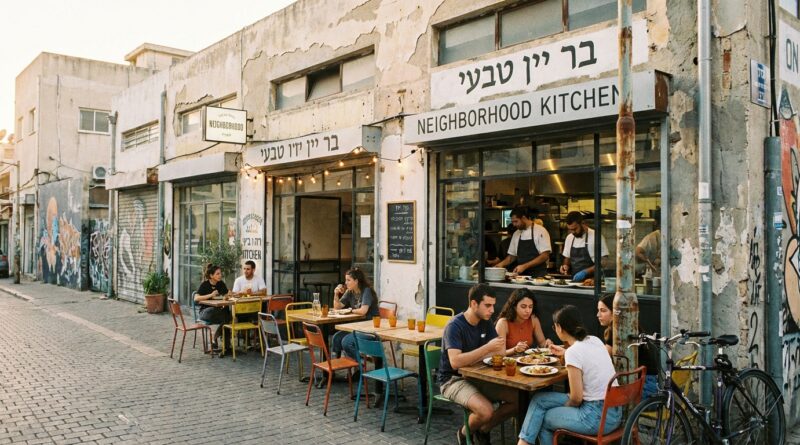
Inside Tel Aviv’s Quiet Restaurant Boom South of Florentin: The New Neighborhood Kitchens Everyone Will Be Talking About Next Month
You know the routine. The place everyone posted last week is impossible to book, the walk-ins are lined up on the sidewalk, and by the time the bill lands you are wondering why you paid tasting-menu money for a plate of shared tomatoes. That is exactly why the new restaurants south of Florentin Tel Aviv matter right now. A small, fast-changing patch of streets below the neighborhood is filling with compact kitchens, natural-wine counters, all-day cafes, and casual bistros in old workshops and garage-front spaces. They are still local. They are still a little rough around the edges. And that is the point. This is where chefs, bakers, and first-time owners are trying things before the city’s trend machine catches up. If you want a meal that feels current without feeling staged, this is the pocket to watch next month. Go now, while it still feels like someone told you quietly instead of an algorithm shouting in your ear.
⚡ In a Hurry? Key Takeaways
- The most interesting new restaurants south of Florentin Tel Aviv right now are small, independent spots serving simpler food, better prices, and a more local feel than the city’s headline venues.
- Go early in the week, arrive before peak dinner hours, and be open to walking a few side streets. Many of the best places still run like neighborhood spots, not polished reservation machines.
- Check Instagram or call the same day before you go. Hours can shift, soft openings are common, and some kitchens sell out fast or close for private events.
Why this area is suddenly worth your attention
South of Florentin is not a neat, branded dining district yet. That is what makes it exciting.
As rents keep pushing artists, cooks, and small business owners farther from the city’s polished center, this pocket is picking up energy. Former repair shops, storage spaces, and plain street-level units are becoming bars with four tables, bakeries with twelve seats, and kitchens where the menu fits on a chalkboard.
You can feel the change block by block. One corner still looks industrial. The next has a coffee window, vinyl playing inside, and a chef sending out grilled fish, seasonal vegetables, or hand-cut schnitzel sandwiches to a crowd that looks like they all live nearby.
That is the sweet spot. Not fully discovered. Not totally hidden either.
What the new micro-scene looks like
Do not expect giant dining rooms or white tablecloth theater. The appeal here is different.
Tiny kitchens with short menus
The strongest openings in this area are not trying to be everything at once. They usually do a handful of dishes very well. Maybe one braised meat plate, one sharp pasta, one grilled catch, one excellent dessert. That focus often means cleaner cooking and fewer misses.
Natural wine and low-pressure drinks lists
A lot of the new places pair food with small wine lists, orange wines, local bottles, vermouth, and simple cocktails. It feels less like a formal program and more like the owner pouring you something they actually want to drink.
All-day formats
Another pattern is flexibility. Some spots open as coffee and pastry counters in the morning, turn into lunch cafes, then slide into wine bars or casual bistros at night. That mixed rhythm suits the neighborhood and keeps prices more grounded.
Rooms with personality, not polish
Part of the charm is that many spaces still look half-converted. Concrete floors. Metal shutters. Mismatched chairs. Handwritten signs. If you need perfect lighting and a host stand, this may not be your zone. If you care more about good food and a sense of discovery, it absolutely is.
What to look for when choosing where to eat
Because the scene is changing week by week, it helps to know what signals matter.
Watch for places that feel built for repeat locals
The best bets are usually the ones that seem designed for people who might come back twice a week, not once for a photo. That means fair pricing, friendly pacing, and menus that make sense on a random Tuesday.
Look for confidence, not ambition overload
If a brand-new place is trying to be a bakery, listening bar, seafood grill, cocktail den, and chef’s counter all at once, be careful. The stronger openings in this part of town tend to keep things tight.
Pay attention to daytime traffic
A useful trick is to walk the area late morning or around lunch. A spot with steady neighborhood traffic before dinner often has a better shot at becoming something real, not just something buzzy.
The kinds of spots everyone will be talking about next month
Since openings and names can change fast, it is smarter to track categories than chase one viral address.
The former-garage wine bar with three great plates
This is the format showing up again and again. A narrow room, a compact kitchen, natural wine by the glass, and food that lands somewhere between snack and dinner. Think anchovies on toast, roasted vegetables with labneh, a smart sandwich, maybe a standout crudo. These places often become the first local favorites.
The chef-run bistro with no patience for hype
You will also see cooks leaving bigger-name restaurants and opening small bistros that trade branding for control. The menus are short, the service is direct, and the cooking is serious without being fussy. Those are often the places that become impossible to get into six weeks later.
The all-day cafe that quietly turns into dinner
Some of the most promising new restaurants south of Florentin Tel Aviv will not even look like restaurants at first. They start as daytime cafes, then add evening service with a few warm dishes, better wine, and candles on the tables. If the food is good, these can become neighborhood anchors very fast.
The bakery-led kitchen
This one is easy to underestimate. A place opens with laminated pastries, sourdough, and coffee, then slowly adds soups, sandwiches, plated lunch specials, and once-a-week dinners. In a district like this, that kind of organic growth often works better than a big, expensive launch.
How to explore the area without wasting a night
This part matters. Hidden gems are fun until they are closed, packed, or only serving snacks when you wanted dinner.
Start early
If a place is new and small, 7:00 pm is often much easier than 9:00 pm. The room may turn over slowly, and many owners are still working out service flow.
Use Instagram, but lightly
Instagram is still the quickest way to check same-day hours, menu changes, and soft-opening details. Just do not confuse a nice feed with a good meal.
Build a backup plan on the same block
This area rewards flexibility. Pick one target spot, then have a cafe, wine bar, or casual backup nearby. If your first choice is packed, the night does not fall apart.
Ask what is new
People working in this micro-scene usually know who just opened around the corner. A bartender, baker, or server can often point you to a place that has not hit the guides yet.
Why this matters beyond one good dinner
There is a bigger story here than just finding somewhere fun to eat.
For the last stretch, a lot of coverage has gone to big chef names, expensive tasting rooms, and hotel dining. Those places matter, but they are only one slice of Tel Aviv dining. What is happening south of Florentin is the opposite. It is local, small-scale, and still unstable in the most interesting way.
These openings show where the city is actually moving. When independent owners can no longer open in the obvious neighborhoods, they build new clusters elsewhere. First come the cafes. Then the wine bars. Then the compact dinner spots. Then everybody notices.
If you care about how dining scenes really grow, this is the stage to watch.
Who should go now
This pocket is especially good for a few kinds of diners.
Locals tired of reservation drama
If you want a spontaneous night out without planning two weeks ahead, this area gives you a better chance.
Travelers who want something less packaged
If your goal is to eat like you found the place, not like your hotel concierge sent fifty people before you, this is the move.
Food lovers who care about what is next
Anyone can go to the place that already made every list. It takes a little more curiosity to spot the neighborhood that is just starting to turn.
What to expect on price and experience
Do not read “up-and-coming” as “cheap forever.” Prices in Tel Aviv are still prices in Tel Aviv.
Still, south of Florentin often feels more reasonable than the city’s most overexposed zones. You are more likely to find sharing plates that do not feel inflated just because the room is trendy. Wine lists can be friendlier too, especially by the glass.
The tradeoff is consistency. Some places are still in soft-opening mode even when they look fully open. Service may be warm but uneven. Dishes may come out in strange timing. Menus may change mid-service. If that bothers you, wait a month. If it sounds exciting, go now.
How to tell if a place is about to blow up
There are a few familiar signs.
A line starts forming before opening. Industry people show up on Mondays. The menu gets tighter, not bigger. The room is full of Hebrew, not just visitors. Nearby businesses start recommending it without being asked. Once that happens, the secret phase is nearly over.
That is where this neighborhood sits right now. Right before the wider city locks in.
At a Glance: Comparison
| Feature/Aspect | Details | Verdict |
|---|---|---|
| Atmosphere | Small rooms, converted workshops, casual service, neighborhood energy | Best for diners who want character over polish |
| Food Style | Short menus, seasonal plates, wine-friendly cooking, cafe-to-bistro hybrids | More interesting than flashy, often stronger value than headline spots |
| Planning Needed | Hours can shift, reservations may be limited, walk-ins still possible if you go early | Worth a little extra flexibility |
Conclusion
The best reason to head south of Florentin now is simple. This is still a living neighborhood story, not a finished brand. The new restaurants south of Florentin Tel Aviv are showing how the city’s dining map changes in real time, one compact kitchen at a time. For the IsraRest community, that makes this angle more useful than another roundup of famous chefs and formal dining rooms. It gives locals and travelers a way to eat like insiders, helps independent owners who are opening in a tough moment, and catches a real shift before it turns into the next overexposed district everyone claims they knew first. If you have been frustrated by booked-out hotspots and inflated bills, this is your cue. Walk a little farther south. Go this month, not three months from now. That is when these places are at their most honest, and often at their best.