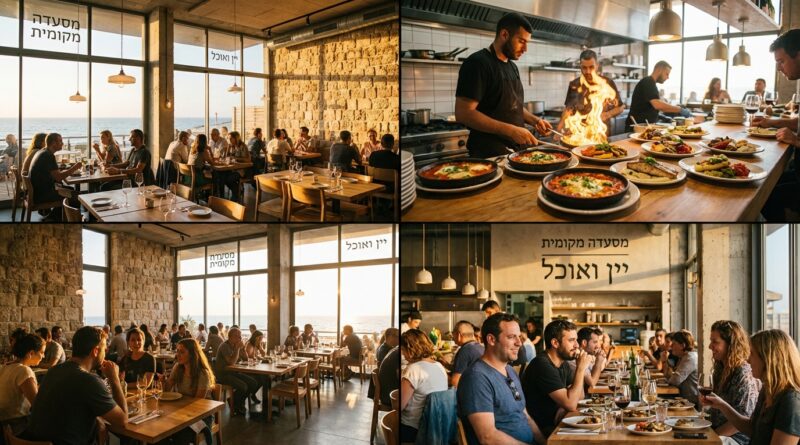
Israel’s New Hotel Restaurant Boom: The Under‑the‑Radar Hotel Kitchens Serving Some of the Country’s Best Food
You book a good hotel, drop your bags, finally exhale, then hit the same problem at 10 p.m. Where do you actually eat? Not somewhere overpriced, not somewhere empty for a reason, and not somewhere that suddenly closed early because the situation changed. That frustration is exactly why Israel’s hotel dining scene has become far more interesting than most travelers realize. Some of the best new hotel restaurants in Israel 2026 are not backup options anymore. They are the reason to go. Hotels in Tel Aviv, Jerusalem, Haifa and the resort belt have quietly started bringing in serious chefs, sharper wine lists and menus aimed at locals, not just jet-lagged guests. The result is simple but useful. You get a place that is easier to confirm, usually better prepared for security checks and last-minute changes, and often much better than the random street-side option you were about to settle for.
⚡ In a Hurry? Key Takeaways
- The best new hotel restaurants in Israel 2026 are increasingly chef-led, local-facing and worth booking even if you are not sleeping there.
- Call the hotel directly before you go. Ask about restaurant hours, public access, security checks and whether outside guests need a reservation.
- Hotel restaurants are often a safer bet right now because they tend to stay operational, follow updated security rules and offer a more predictable dining experience.
Why hotel restaurants suddenly matter more
For years, hotel dining in Israel had a reputation problem. People thought of buffets, business lunches and expensive salads eaten because nothing else was nearby.
That picture is out of date.
A new wave of hotel kitchens has changed the math. Owners know travelers want fewer moving parts. Locals want somewhere polished but not stuffy. Chefs want stable infrastructure, built-in foot traffic and a room full of guests who may turn into regulars. Put those together and you get a quiet restaurant boom happening inside lobbies, rooftops and tucked-away courtyard spaces.
What makes these places attractive now is not just the food. It is reliability. In a period when opening hours, transport and security procedures can shift fast, hotels have a strong incentive to keep dining running smoothly. They also tend to communicate changes better than standalone places.
What makes a hotel restaurant actually worth your time
Not every dining room attached to a reception desk is suddenly great. The useful way to sort the real standouts from the forgettable ones is to look for a few signs.
1. A chef with a point of view
The best spots have menus that feel built for the city they are in. In Tel Aviv, that often means seafood, live-fire cooking, strong cocktails and share plates that do not feel copied from everywhere else. In Jerusalem, you are seeing more modern local cooking, better pastry programs and dining rooms that mix hotel guests with neighborhood regulars.
2. A room locals actually use
If the tables are filled only with tourists in slippers by 7:30 p.m., that tells you something. The strongest hotel restaurants are pulling in local diners for date nights, business meetings and weekend meals. That is usually the best sign the kitchen is aiming higher than convenience food.
3. Hours that make life easier
This matters more than people admit. A hotel restaurant that serves continuously, stays open later than nearby options or offers a dependable breakfast-to-dinner flow can save an entire evening.
4. Staff who know how to handle uncertainty
When plans change, the front desk and the restaurant often work together. That means better answers about access, parking, protected spaces, updated opening times and reservation status. In the current climate, that is not a luxury. It is part of the value.
Where to look by city
Tel Aviv
Tel Aviv is still the easiest place to find a hotel restaurant that feels like a real city restaurant first and a hotel amenity second. The strongest openings are usually in boutique properties and renovated beachfront hotels trying to win local traffic. Expect small but focused menus, serious breakfast service, natural wine, sharper design and kitchens that know people in Tel Aviv will not forgive mediocrity.
The sweet spot here is the hotel restaurant that gives you central location and solid security without the generic “international” menu. If you are choosing between a standalone hotspot with a two-week wait and a smart hotel dining room with same-night availability, the hotel is often the better call.
Jerusalem
Jerusalem’s hotel restaurants are having a quieter but very real upgrade. Some are leaning into elegant Levantine cooking. Others are refreshing classic dining rooms with younger chefs and lighter menus. The big advantage in Jerusalem is comfort. Hotels often offer easier parking, calmer access and a more controlled setting, which makes them especially appealing for family dinners, business meals or evenings when you do not want to improvise.
If kosher dining matters to you, this trend overlaps with a bigger shift in the country. A useful companion read is Israel’s New Kosher Cool: The Surprise Openings Quietly Making Religious Foodies Freak Out Right Now, which shows how religious diners are getting better, more current options than the old banquet-hall model.
Haifa
Haifa remains underrated. Hotel kitchens there are starting to benefit from the city’s wider food confidence. You are more likely to find sea views, strong breakfast spreads and calmer service than in the center of the country. The best plays in Haifa are restaurants that use the hotel as a base but cook with the city’s mixed culinary identity in mind. Think fish, Arab-Jewish food influences, seasonal produce and less tourist markup than you might expect.
Resort areas and weekend destinations
In resort zones, the old rule was simple. Sleep there if you must, eat somewhere else if you can. That is changing. More resort hotels now understand that guests do not want to drive again after check-in, especially for dinner. So they are investing in destination-worthy dining rooms, chef residencies and better bar programs.
This is especially useful for staycations. If you are heading away for one or two nights, a hotel with a genuinely good restaurant means less planning, fewer booking headaches and a much better chance the trip will feel restful instead of logistical.
How to book smart without getting stuck
This is the practical part, and it matters.
Call, do not just rely on Google
Google hours can lag behind real life. Hotel websites can also be vague. A quick phone call gets you better answers. Ask whether the restaurant is fully open, whether non-hotel guests are welcome that night, and whether there are any event buyouts.
Ask the right questions
Keep it simple:
Is the full dinner menu available tonight?
Do outside guests need a reservation?
Are there security checks at the entrance?
Is valet or parking available?
Is there a protected area nearby if needed?
That two-minute call can save you from showing up hungry and annoyed.
Use concierge knowledge
If you are staying at the hotel, use the concierge or front desk. Good staff know whether the kitchen is in top form that week, which nights are busiest and whether a private event will change the vibe.
Book early for weekends and holidays
Many of these places are still under the radar, but not for long. Friday lunch, Motzaei Shabbat and holiday periods can fill up quickly, especially once locals start treating the restaurant as a destination.
What travelers and locals get out of this trend
Travelers get peace of mind. That is the big one. You know where you are eating, how to get there and what kind of environment you are walking into.
Locals get something too. They get access to polished restaurants with a little more breathing room, easier reservations and fewer of the usual city hassles. In a lot of cases, they also get to try a talented chef before the wider market catches on.
That is why the best new hotel restaurants in Israel 2026 matter beyond the hotel world. They are becoming part of the country’s real dining scene, not just a convenience attached to it.
Red flags to watch for
Not every shiny opening deserves a booking.
Be cautious if the menu is huge and unfocused. Be cautious if all the photos show the lobby but not the food. Be cautious if reviews praise the view but say almost nothing about the cooking. And if the hotel pushes the breakfast but barely mentions dinner, that can tell you where the real effort is going.
A good hotel restaurant should stand on its own. If you would not cross town for it, it may still be fine for guests, but it is not part of this boom.
At a Glance: Comparison
| Feature/Aspect | Details | Verdict |
|---|---|---|
| Reliability | Hotels usually provide clearer updates on hours, access rules and reservation status than standalone restaurants. | Big advantage if you want less uncertainty. |
| Food quality | The strongest new hotel restaurants now use notable chefs, tighter menus and local ingredients aimed at both guests and locals. | Often much better than the old hotel-dining stereotype. |
| Convenience and comfort | Security screening, parking, protected spaces and easy return to your room or car make the evening simpler. | Excellent for travelers, staycations and low-stress meetups. |
Conclusion
This shift is easy to miss because it is happening quietly, one lobby, rooftop and courtyard at a time. But for anyone trying to eat well in Israel right now without adding more uncertainty to the day, it is one of the most useful food trends in the country. The best new hotel restaurants in Israel 2026 give you three things people badly want at the moment. A place that is likely to be open and well-run, a meal that feels worth your time and money, and a booking option that does not require fighting half the city for a table. Whether you are in Tel Aviv, Jerusalem, Haifa or heading off for a resort weekend, these hotel kitchens are increasingly the smart move hiding in plain sight. Bookmark the trend now, because Israel’s next great restaurant may not be on the street. It may be just past the lobby.