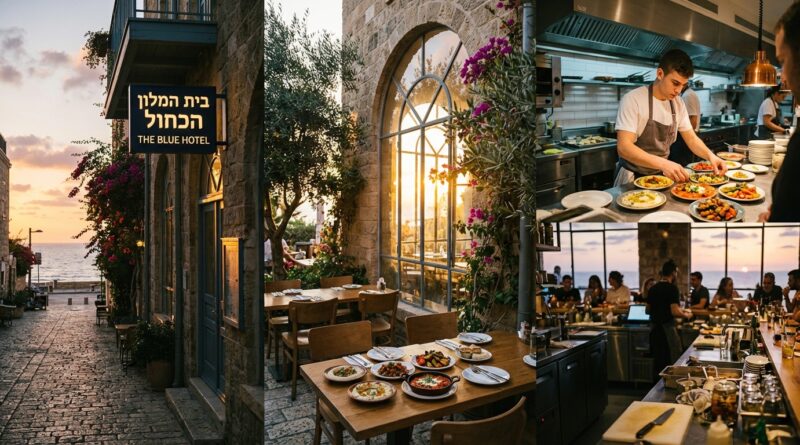
Israel’s New Neighborhood Hotel Bistros: The Small-Town Kitchens Food People Are Whispering About, Not Posting About
You know the feeling. You want a fresh food trip in Israel, but every recommendation loop keeps dragging you back to the same Tel Aviv dining room, the same Jerusalem rooftop, and the same photogenic plate that half the country has already posted. That is frustrating, especially if what you really want is a place that still feels local, still has some buzz, and has not been flattened by weekend crowds. Right now, some of the most interesting new hotel restaurant openings in Israel are happening in smaller cities and quieter corners. Think Netanya, Ashdod, Ramat Gan, and Kiryat Ono. These are not always flashy openings. That is exactly why they matter. They are easier to book, easier to build a quick overnight around, and often more connected to the neighborhood outside the lobby doors. If you are tired of eating where everyone else already ate six months ago, this is where to start looking now.
⚡ In a Hurry? Key Takeaways
- The most interesting new hotel restaurant openings in Israel right now are often outside Tel Aviv and Jerusalem, especially in secondary cities.
- For the best chance of catching them before they get crowded, look for recently opened or revamped hotel bistros tied to one-night local getaways.
- Value is usually better in these markets, but always check opening days, kosher status, and whether the restaurant is meant for hotel guests only or also for walk-ins.
Why the action is moving beyond the usual food capitals
Hotel dining in Israel has changed. It is no longer just a breakfast room downstairs and a safe but boring dinner menu at night. More small and mid-size hotels are using their restaurants to give people a reason to book the stay in the first place.
That shift is not only happening in the cities you already know. In fact, some of the more exciting moves are happening where expectations are lower. That gives chefs and operators room to try something warmer, more personal, and less built for social media performance.
If you liked our earlier look at Israel’s New Hotel Restaurant Boom: The Under‑the‑Radar Hotel Kitchens Serving Some of the Country’s Best Food, this is the next step. The bigger pattern is real. But now the most useful question is not whether hotel restaurants matter. It is where the freshest ones are opening, and which small-city kitchens are worth the drive before everyone catches on.
What makes these neighborhood hotel bistros different
The sweet spot right now is the hotel restaurant that does not feel too much like a hotel restaurant. You walk in and it feels like a city bistro with a good bar, a chef who cares, and a menu written for repeat local diners, not just one-time tourists.
They are built for locals first
The strongest new places tend to court nearby residents, business travelers, and couples looking for an easy night away. That means fairer pricing, less gimmickry, and menus that make sense whether you are staying upstairs or just dropping in for dinner.
They offer a low-stress mini escape
There is real appeal in driving 30 to 60 minutes, checking into a modest but stylish hotel, and having your best meal of the week downstairs. No big logistics. No airport mood. No fighting for a reservation at a place that peaked on Instagram two seasons ago.
They often feel more personal
Because these openings are smaller, the service can feel less polished in the corporate sense but more human. Owners are present. Chefs are visible. Menus still change. You are not entering a machine.
The cities to watch now
Netanya
Netanya has the coastal advantage, but lately it is also becoming useful for a different reason. It offers quick access from the center, enough hotel inventory to support new dining concepts, and a local audience that wants something nicer than a standard seafront meal. The best openings here tend to balance bistro comfort with polished seafood, strong breakfasts, and a dining room that works even if you never look at the beach once.
What to watch for in Netanya is not just luxury. It is the middle ground. Boutique or refreshed hotels that are trying to become neighborhood anchors. That is often where the food gets interesting.
Ashdod
Ashdod is one of the most overlooked food cities in the country. That makes it fertile ground. A hotel bistro here can pull from the city’s mix of communities, seafood culture, and strong weekday business traffic. If a hotel is smart, it does not need to copy Tel Aviv. It can build a room that feels rooted in Ashdod, with bold fish dishes, generous hospitality, and a menu that locals actually crave.
This is exactly the kind of market where a new opening can stay under the radar longer, which is good news for readers who want discovery instead of scene-chasing.
Ramat Gan
Ramat Gan may not scream getaway at first, but that is part of the appeal. New hotel food projects here can serve a mixed crowd of business guests, local residents, and central Israel diners who want something easy, smart, and not exhausting. A well-run bistro in this setting can become a practical favorite fast.
Look for kitchens that know who they are. Not every opening needs a tasting menu. Sometimes the winner is a sharp all-day room with excellent bread, a short wine list, and a dinner menu built around three or four dishes you would gladly order again.
Kiryat Ono
Kiryat Ono is the kind of place many food people skip until somebody quietly tells them to go. That is why it belongs on this list. As more suburban hotels and hospitality projects try to attract nearby diners, you get restaurants that are less about prestige and more about reliability with ambition. That can be a very nice combination.
In places like this, a recently revamped hotel kitchen may matter just as much as a brand-new opening. Sometimes the chef changes, the room gets redesigned, the menu tightens up, and suddenly the restaurant becomes worth the trip.
How to spot a hotel restaurant worth booking before the crowd arrives
Not every opening deserves your weekend. A few simple checks can save you from a bland meal in a pretty lobby.
Check whether locals are actually eating there
If all the praise comes from hotel marketing, be careful. The best sign is local traffic. Are people booking it for dinner even when they are not sleeping over? That usually tells you more than glossy photos do.
Look for a narrow menu, not a giant one
Huge menus are often a warning sign. New kitchens that know what they are doing start with focus. A smaller menu usually means more confidence and better execution.
See if the room has a real identity
Ask yourself one simple question. If this restaurant moved out of the hotel tomorrow, would it still make sense as a standalone place? If the answer is yes, that is promising.
Call before you go
This sounds obvious, but it matters. In Israel, opening days, service hours, event bookings, and kosher rules can change fast. A two-minute phone call can save a wasted drive.
Why this matters right now
There is a practical side to all this. People want close-to-home breaks that still feel special. They do not always want a full vacation, and they do not always want the stress and cost of the country’s most famous dining rooms. A one-night hotel stay built around a good new bistro hits a sweet spot.
There is also a cultural reason to care. When diners pay attention only to the biggest cities, smaller chefs and hotel teams get ignored. That is a shame, because some of the bravest work often happens outside the spotlight. These projects need customers, not just compliments.
How to plan a smart one-night food getaway
If you want to turn this trend into an actual trip, keep it simple.
Pick the restaurant first
Do not choose the hotel and hope the dining works out. Start with the kitchen. Read the menu. Check recent feedback. Then decide if the room upstairs is good enough for one night.
Go midweek if you can
Midweek stays often mean calmer service, better rates, and a more relaxed dining room. You will also get a better sense of whether locals really support the place.
Build around the neighborhood
The best version of this trip is not just dinner and sleep. Add a market stop, a beach walk, a bakery breakfast, or one local shop worth visiting. That makes the whole thing feel like a tiny reset, not just a reservation with a bed attached.
At a Glance: Comparison
| Feature/Aspect | Details | Verdict |
|---|---|---|
| Best places to look | Secondary cities like Netanya, Ashdod, Ramat Gan, and Kiryat Ono, especially recently opened or refreshed hotels | Better odds of finding something new before it gets overexposed |
| What signals quality | Local diners, focused menus, a clear concept, and easy walk-in or direct booking options | A stronger sign than social buzz alone |
| Why book now | These spots can still feel personal, accessible, and fairly priced compared with headline restaurants in bigger cities | Good value for an easy food-focused overnight |
Conclusion
If you have been craving a more useful kind of food recommendation, this is it. Not another roundup of places you have already seen a hundred times, but a smarter map to new hotel restaurant openings in Israel that still feel discoverable. By paying attention to brand-new and recently revamped hotel bistros in places like Netanya, Ashdod, Ramat Gan, and Kiryat Ono, you get more than a dinner tip. You get an easy getaway idea, a fresher story, and a better shot at eating somewhere that still belongs to its neighborhood. That helps readers who want something special without the usual circus, and it gives smaller-city chefs and hoteliers the attention they deserve. Sometimes the most exciting table in Israel is not in the city everyone is posting. It is the one quietly opening a short drive away.