Israel’s New Sarona Market Wave: The Fresh Openings Turning Tel Aviv’s Food Hall Into a Post‑War Eating Escape
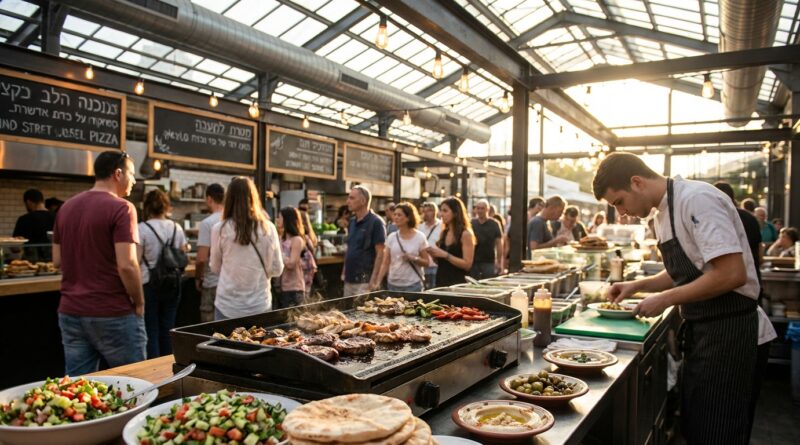
You land in Tel Aviv hearing the same line from everyone. Things are quiet. Places are shut. Don’t expect much. Then you walk into Sarona Market and it is full of noise, trays, people sharing plates, and counters you do not recognize. That is the problem. The market is busy again, but most “best of” lists floating around online are old, and when you only have one dinner, one lazy Friday lunch, or one quick meal before heading back to your hotel, guessing feels expensive. Right now Sarona works best as an easy reset. You can eat well without booking a formal restaurant, spending a fortune, or betting the whole night on one place that might disappoint. The fresh wave here is less about big celebrity openings and more about smart, flexible food. Small menus. Strong flavors. Counters that understand people want comfort, speed, and something that still feels like Tel Aviv in 2026.
⚡ In a Hurry? Key Takeaways
- The best new restaurants in Sarona Market Tel Aviv 2026 are the small counters doing one thing well, especially modern pita spots, chef-led comfort food, and dessert stands with short menus.
- Go hungry but do not order everything at once. Split two savory dishes first, then add one dessert. Sarona is best when you build your own tasting crawl.
- Value varies a lot. Skip places with giant photo menus and aggressive hosts. The strongest bets usually have a focused menu, fast turnover, and locals actually eating there.
Why Sarona Market matters again
People want easy right now. Not a three-week reservation. Not a two-hour sit-down meal with a huge bill. Just somewhere central, lively, and simple.
That is why Sarona has become a post-war eating escape for both locals and travelers. It gives you choice without making the night feel complicated. If one stand looks weak, move on. If one place is packed, grab a drink and start elsewhere. You are not trapped.
The biggest shift in the latest Sarona wave is that newer operators seem to understand the mood. Diners want comfort, but not boring comfort. They want food with some personality, but not food so clever it becomes work. The winners right now are places that get to the point fast.
What actually counts as “worth it” in Sarona now
Forget the old idea that the loudest stand is the best one. In Sarona, worth it usually means four things.
1. A tight menu
If a counter sells sushi, schnitzel, tacos, pasta, and waffles, keep walking. The best new openings and reinventions usually have one lane. Maybe two.
2. Real turnover
Look at the trays and tables. Are people finishing plates, not just taking photos? That is a better sign than branding.
3. Food that travels from counter to table well
Sarona is not fine dining. Dishes need to survive a few minutes on a tray. The smart operators build for that. Think grilled skewers, stuffed pita, fried things served fresh, noodles that hold heat, soft-serve that arrives fast.
4. Prices that fit the format
A market meal can be expensive in Tel Aviv. Still, people are more forgiving when the food feels distinct and the portion makes sense. They are much less forgiving when a basic plate costs full restaurant prices.
The strongest types of fresh openings inside Sarona Market
Because stalls change, menus rotate, and some operators test concepts before expanding, the safer way to navigate Sarona in 2026 is by category and signals, not by trusting a stale list from 2023. Here are the formats currently giving diners the best shot at a great meal.
Modern pita and laffa counters
This is probably the safest order in the building right now. The better new counters are using long-cooked meats, sharp pickles, grilled vegetables, tahini with some real texture, and sauces that taste made that day, not squeezed from a bottle.
What to order: one signature pita, one side, maybe a soup or small salad if available.
What to avoid: oversized “loaded” creations that are more Instagram than dinner.
Best for: first-timers, solo travelers, quick dinners, families with mixed tastes.
Chef-led comfort food stands
These are the places doing elevated home-style food without making it precious. Think a polished kubbeh, slow-braised meat over mashed potatoes, schnitzel with a better breadcrumb and real seasoning, or a rice bowl with a little more thought than usual.
This category has done especially well because people want emotional comfort with restaurant-level quality. When it works, it really works.
Best for: cooler evenings, low-stress date nights, anyone tired of tiny plates.
Fire and grill concepts
Sarona always had grilled meat, but the newer wave is cleaner and more focused. Less giant menu board, more one-protein specialty. If you smell charcoal and see a short queue moving quickly, pay attention.
Look for: skewers cooked to order, fresh flatbread, simple chopped salads.
Be cautious of: pre-cooked meats sitting too long during off hours.
Regional Middle Eastern specialists
This has been one of the more interesting developments. Rather than generic “Israeli food,” some newer counters are leaning into one regional identity, one family style, or one dish they know deeply. That gives the market more character.
If you spot a stand centered on Iraqi sabich, Galilean pastries, Druze breads, North African stews, or a Yemeni specialty, that is often a better use of your dinner than another average burger.
Dessert counters that keep it simple
The good dessert additions are not trying to be everything for everyone. They usually do one of these very well: soft serve, flaky pastry, stuffed cookies, or a strong coffee-and-cake pairing.
If the stand has six excellent items, great. If it has sixty, leave it.
How to choose your meal without wasting money
This is the part travelers usually need most. Sarona can get overwhelming fast.
If you only have one dinner
Start with one savory anchor. Usually a pita, grill plate, or chef comfort dish. Then add one shareable side from another counter. Finish with dessert from a third spot. That gives you variety without turning dinner into chaos.
If you are with kids or picky eaters
Use Sarona exactly as intended. One safe order, one more adventurous one. Nobody has to compromise. That alone makes it less stressful than a formal restaurant.
If you care about value
Lunch is often the smarter play. Portions can feel more justified, lines are easier, and you can sample more than one place without the market’s evening rush.
If you are overwhelmed
Do one lap first. No ordering. Just look. You will spot the difference between a place people are genuinely eating at and a place built to catch tourists in a hurry.
Red flags that still matter in 2026
Not every “new” place is good, and not every old place deserves to survive on reputation alone.
Tourist-trap warning signs
Huge menus with laminated photos. Staff pushing samples too hard. Empty stools at prime dinner time. Dishes that look better on posters than on actual trays.
Concepts that feel tired
If a stand seems built around a trend from years ago and has not updated the food, there is a reason locals stopped talking about it.
Overpriced basics
A market burger or pasta can be fine. It should not cost like a top neighborhood restaurant unless it is truly excellent.
The best way to “do” Sarona now
Think of Sarona less like one restaurant and more like a low-pressure food map. That is why it suits this moment so well. You can dip in for 40 minutes, stay for two hours, meet friends after work, or bring visiting relatives who all want different things.
For many people, that flexibility is the whole appeal. After a hard year, the market offers something small but useful. A way to go out without overthinking it.
A smart one-night plan
Arrive early evening before peak dinner. Walk the full hall. Pick one savory stand with a short menu and visible turnover. Share one extra dish from a second counter. Sit down. Reset. Then decide if you even want dessert. The biggest mistake people make is ordering too much too fast.
A smart lunch plan
Go lighter and more exploratory. One specialty item you cannot get easily elsewhere, then coffee and pastry. Lunch is when Sarona feels most practical.
Who should skip Sarona
Sarona is not perfect for every mood.
If you want a quiet, romantic dinner with table service and no background noise, book a proper restaurant. If you want a single iconic dish and nothing else, go straight to the specialist outside the market. And if you are deeply price-sensitive, compare a few menus before sitting down, because costs can climb fast.
But if your goal is one easy, good, current snapshot of how Tel Aviv is eating now, Sarona is still one of the smartest addresses in the city.
What to expect from the new restaurants Sarona Market Tel Aviv 2026 scene
The mood is practical, not flashy. More counters are opening with lower risk, smaller footprints, and menus that can adapt. That is good for diners. It means more experimentation, faster reinvention, and less pressure to commit to some grand night out.
It also means the market changes quickly. A place that was forgettable six months ago may have a new chef, new menu, or sharper identity now. Another place with lots of online praise may simply be coasting. So trust your eyes, your nose, and the line of actual hungry locals more than search results.
At a Glance: Comparison
| Feature/Aspect | Details | Verdict |
|---|---|---|
| Best first pick | Modern pita or focused grill stand with a short menu and fast turnover | Safest bet for one meal |
| Best value strategy | Come for lunch or share two savory items instead of each person ordering a full spread | Smartest way to avoid overspending |
| What to skip | Huge tourist-facing menus, tired concepts, and counters with little real traffic at prime hours | Usually not worth your one dinner |
Conclusion
Sarona Market is not just “open.” It is useful again. For Israelis and visitors looking for one easy, low-stress way to go out and feel normal, it offers something many full restaurants do not right now: flexibility, energy, and a lot of current Tel Aviv food culture under one roof. The smartest move is to ignore old blog rankings, look for the newer counters doing one thing really well, and build your own small meal instead of chasing hype. Done right, Sarona lets you support operators who opened or reinvented themselves during a brutal year, tap into the city’s food mood without overcommitting, and avoid wasting your time and money on places surviving only on outdated lists.