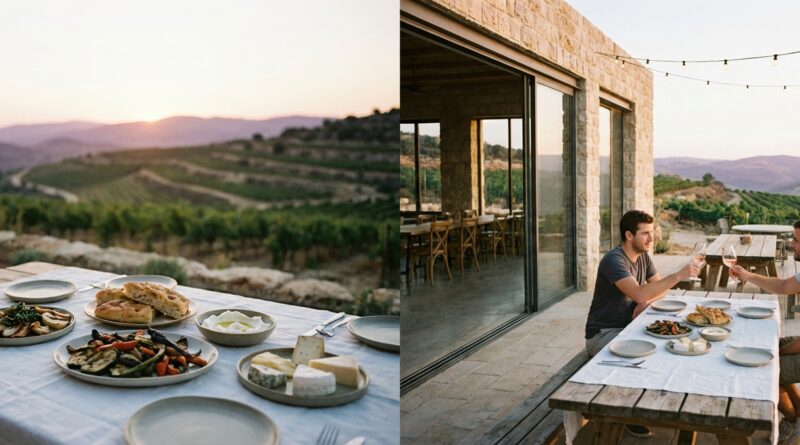
Israel’s New Wave of Winery Restaurants: Where the Best New Kitchens Are Hiding Between the Vines
You know the drill. You land in Israel, ask around for the hottest new table, and somehow end up in the same few Tel Aviv spots everyone else is chasing. Then comes the waiting, the crowding, the noise, and that oddly stressful feeling of having to “earn” dinner. If that sounds familiar, it may be time to look between the vines instead of between the velvet ropes. Some of the best new winery restaurants in Israel are not in the city at all. They are tucked into boutique estates, moshavim, and vineyard hillsides, where chefs have more room, diners can actually hear each other speak, and the wine list is not an afterthought. Better still, many of these kitchens are either newly opened, recently revamped, or quietly hitting their stride right now. The result is a much smarter kind of meal. One that feels fresh, local, and special, without turning dinner into a competitive sport.
⚡ In a Hurry? Key Takeaways
- The best new winery restaurants in Israel are often outside the big-city buzz, offering stronger wine pairings, calmer settings, and more memorable meals.
- Book lunch or a late afternoon seating, call ahead to confirm opening days, and build your visit around one region instead of trying to zigzag across the country.
- These spots can be excellent value, but many are small, rural, and reservation-dependent, so always check kosher status, accessibility, and driving plans before you go.
Why winery restaurants are suddenly the smart reservation
The shift makes sense when you think about it. Wineries already have the atmosphere people want. Open views, fresh air, slower pacing, and a built-in reason to linger. Add a serious kitchen, and you get the kind of experience city restaurants often struggle to provide, especially when demand spikes.
Israel’s dining scene is moving again, fast. But while the flashy urban openings grab attention, smaller producers are building something more interesting. Not just a tasting room with a cheese plate. A real restaurant. Sometimes chef-led. Sometimes produce-driven. Sometimes simple and rustic, but done with confidence.
For travelers, that means less standing in line and more actually enjoying the country. For locals, it means an excuse to drive out, stay longer in a region, and support businesses that do not have a PR machine behind them.
What counts as a “new wave” winery restaurant?
It is not only brand-new openings. In practice, this new wave includes three kinds of places.
Recently opened vineyard kitchens
These are the fresh arrivals. A winery adds a full restaurant, expands from tastings into proper meals, or brings in a chef with a clearer food identity.
Revamped dining spaces with sharper food
Some wineries have served food for years, but the setup was secondary. Now they are redesigning menus, improving service, and treating the kitchen as a destination in its own right.
Under-the-radar places finally getting noticed
Then there are the spots that have been quietly excellent, but are only now landing on more diners’ radar because travelers are looking beyond Tel Aviv and Jerusalem.
What makes the best new winery restaurants in Israel worth the trip
The obvious answer is wine. But it is not just that the bottle list is better. It is that the meal tends to make more sense from start to finish.
Food and wine are built together
At a winery restaurant, pairings are usually not tacked on at the end. The kitchen knows the house wines. The staff knows what works with local cheeses, grilled fish, vineyard herbs, or a slow-cooked lamb dish. That sounds small, but it changes the meal.
The setting does half the work
A great room matters. So does not having to shout. The vineyard setting gives even a simple lunch a sense of occasion. You are not staring at traffic. You are looking at rows of vines, hills, olive trees, or wide valley light.
Regional cooking feels more honest there
Many winery kitchens lean into what is nearby. Galilee produce. Judean Hills cheeses. Golan herbs. Coastal fish if the supply works. The best places do not overcomplicate this. They use what is fresh and let the location speak.
Where to look by region
You do not need a master spreadsheet. Start by choosing one wine region and keeping your day simple.
Judean Hills
This is often the easiest first stop for visitors based in Jerusalem or central Israel. You get beautiful views, a concentration of wineries, and a mix of polished and rustic dining styles. If you want the easiest “vineyard lunch that still feels special” zone, this is usually the safest bet.
Galilee and Upper Galilee
For travelers already heading north, this is where winery dining can feel the most dramatic. Cooler air, mountain scenery, and strong produce make this region ideal for long lunches. It works especially well if you are planning a weekend and want one major meal to anchor the trip.
Golan and surrounding northern areas
These spots can reward diners who like space, quiet, and a more rural rhythm. It is often less about being seen and more about actually relaxing. If you want to pair wine country with nature, this region is a strong contender.
Carmel and coastal inland areas
These winery restaurants can be easier to fold into a day trip from Tel Aviv. The scenery changes, but the logic stays the same. Good bottle lists, a more relaxed setting, and a chance to eat outside the city without going very far.
How to plan the meal so it feels easy, not complicated
This is where many people trip up. Vineyard dining sounds romantic until you realize the opening hours are odd, the kitchen closes early, or there is no taxi in sight when you are done.
Book before you drive
Do not assume a winery restaurant keeps normal city restaurant hours. Many are open only on specific days. Some stop serving early. Some host events that change the setup entirely. Call, message, or reserve online first.
Choose lunch over dinner if you can
Lunch is often the sweet spot. The light is better. The views matter more. Roads are simpler. You are less likely to be rushed. And if you are tasting wine, daytime is simply easier to manage.
Pick one region, not three
This is the big one. Do not try to bounce from Jerusalem to the Galilee because two different places looked good on Instagram. The smarter move is one region, one standout meal, maybe one extra tasting stop, then done.
Think about the driver before the first pour
It sounds obvious, but wine country planning falls apart fast when nobody has thought through the drive home. Either assign a driver, sleep nearby, or use organized transport where available.
What to ask when you book
A two-minute phone call can save you a disappointing afternoon.
Ask about the menu format
Is it a full menu, tasting menu, brunch setup, or sharing plates only? Winery restaurants vary a lot.
Ask about kosher status and opening days
This matters for many travelers. It also affects opening times around Shabbat and holidays.
Ask where you will actually sit
Outdoor terrace, indoor dining room, shaded garden, or tasting bar. If the whole point is the vineyard view, it is worth confirming.
Ask whether the visit includes a tasting
Some places fold a tasting into the meal. Others keep food and wine experiences separate. It is better to know in advance than improvise on arrival.
Signs a winery restaurant is the real thing, not just a pretty stop
There is a difference between a place with a lovely view and a place worth driving for.
The menu has confidence
You want a menu that knows what it is. A short list done well is often better than a scattered menu trying to please everyone.
The wine list is integrated, not decorative
If staff can explain pairings clearly and suggest different pours for different dishes, that is a very good sign.
People go for the meal, not just the tasting
Look for comments and reviews that talk about dishes, service, and pacing, not just the scenery.
The place fits the region
The best winery restaurants in Israel usually feel grounded in where they are. The food, the setting, and the wines all point in the same direction.
If you already love destination dining, go one step further
If this style of eating appeals to you, it is worth widening the map. Israel’s strongest new food experiences are increasingly showing up outside the obvious urban centers. The same instinct that leads you to a vineyard lunch can also lead you south. If you want another route worth considering, Israel’s New Wave of Desert Restaurants: The Surprising Openings Turning the Negev Into a Dining Destination is a good reminder that some of the country’s most exciting tables now come with wide-open views, not city traffic.
Common mistakes first-time visitors make
Most bad winery meal stories are not really about the food. They are planning problems.
Trying to squeeze it into a city day
A vineyard lunch deserves room in the schedule. If you treat it like a quick detour, the drive will feel longer and the meal shorter.
Showing up without a reservation
Small wineries do not always have extra tables. Some kitchens prep for booked covers only.
Expecting nightlife energy
That is not the point here. The pleasure is quieter. Slower. Better, for many people, but different.
Ignoring the weather
Outdoor vineyard dining in summer can be glorious or brutally hot, depending on the hour and shade. Ask before you go.
Who these restaurants are best for
Not every dining style fits every traveler. Winery restaurants are especially good for a few kinds of diners.
Couples who want one memorable meal
If you are choosing one splurge lunch or a scenic dinner, this format is hard to beat.
Families with adult children
It works well for mixed groups. Parents get comfort and scenery. Younger diners get something that still feels cool and worth posting, if that matters to them.
Food lovers tired of reservation chaos
If your patience for packed city rooms is wearing thin, this is your reset button.
Travelers who want to see more of the country
A winery meal pulls you outward. That is part of its value. You eat well and you see a different slice of Israel at the same time.
At a Glance: Comparison
| Feature/Aspect | Details | Verdict |
|---|---|---|
| Atmosphere | Vineyard views, more space, lower noise, and a stronger sense of occasion than most city hot spots | Ideal if you want a meal that feels relaxed and special |
| Planning effort | Requires a reservation, some driving logistics, and checking hours in advance | Worth the extra planning, especially for lunch or a regional day trip |
| Food and value | Often better wine pairing, more thoughtful pacing, and a fuller experience for the price | A smart alternative to overbooked urban trend spots |
Conclusion
If you have been chasing the same crowded reservations every trip, this is a better way to eat. The best new winery restaurants in Israel offer something many headline-grabbing city openings cannot. Space, calm, context, and meals that actually fit where you are. Right now, as tourism and local dining continue to pick up speed, that matters. The flashiest names will keep getting the headlines, but some of the most interesting kitchens are opening inside or beside boutique wineries, far from the usual scrum. Choosing them does more than improve your lunch. It helps small producers fill dining rooms, spreads visitors and locals more evenly beyond Tel Aviv and Jerusalem, and gives everyone a shot at a meal that still feels like a discovery. Not a queue. Not a stunt. Just a genuinely memorable table, waiting where most people have not thought to look yet.