Israel’s Tiny Tasting Rooms: The 10‑Seat Chefs Quietly Redefining Fine Dining After Dark
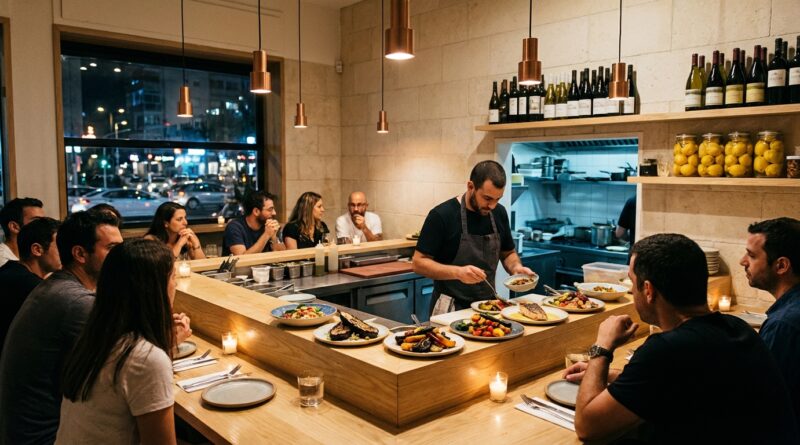
You know the drill. A new Tel Aviv spot explodes on Instagram, friends start forwarding blurry stories, and by the time you actually try to book, there is either a ten week wait, a dead reservation link, or a rumor that the chef already moved on. It is exhausting. If you are searching for the best new chef tasting menu restaurants in Israel, the smarter move in 2026 is not the giant launch with PR noise. It is the tiny room with 8 to 14 seats, one service, a chef at the counter, and a menu that can shift because the fish looked better than the meat that day. These places are harder to find, yes. They are also where some of the most alive cooking in Israel is happening right now. Think less velvet rope, more direct message, prepaid booking, and food that feels personal instead of packaged for social media.
⚡ In a Hurry? Key Takeaways
- The best new chef tasting menu restaurants in Israel are often 8 to 14 seat counters, not big headline openings.
- Book through Instagram, WhatsApp, or direct reservation forms, and always confirm 24 hours ahead because details change fast.
- You often get better value here than in classic fine dining, with more chef interaction and fewer dead listings to waste your night.
Why Israel’s smallest dining rooms matter right now
After years of stop start trading, rising costs, staff shortages, and a public that is still dining closer to home, a lot of chefs have stopped chasing the old dream of a huge dining room with a giant payroll. Instead, they are building something tighter and more realistic.
A counter. Ten seats. One menu. Sometimes one chef and one helper. That is not a compromise. In many cases, it is the whole point.
These rooms work because they cut waste, keep service personal, and let chefs cook the food they actually want to cook. For diners, that means fewer bloated bills and more nights where the person plating your fish is also the one who bought it that morning.
What makes a tiny tasting room worth your money
1. The chef is actually present
This sounds obvious, but it is not. Plenty of places sell the idea of chef driven dining while the chef is somewhere else opening a second concept. In the best little tasting counters, the chef is there, talking, cooking, adjusting, and paying attention.
2. The menu can move
If a place promises the exact same twelve courses every week, that is usually a sign it is operating like a fixed machine. The exciting rooms are a little looser. Maybe the crudo changes. Maybe one vegetable dish appears only for two nights. Maybe the dessert gets reworked because the market looked different that day.
3. The price still feels human
Fine dining in Israel has often had a pricing problem. Tiny rooms are helping fix that. Not all of them are cheap, but many sit in a more sensible band. You are paying for skill and focus, not for chandeliers, oversized rent, or a 70 item wine list nobody asked for.
The new sweet spot: Tel Aviv, Jerusalem, and the center
The strongest action is spread across three kinds of locations.
Tel Aviv
Tel Aviv still gets the attention, but the most interesting addresses are often half hidden. Look for second floor spaces, back room counters, private chef studios that quietly turned public two nights a week, and off market spots that operate on reservations only.
If you are also trying to piece together where the city is eating more casually right now, Israel’s New Sarona Market Wave: The Fresh Openings Turning Tel Aviv’s Food Hall Into a Post‑War Eating Escape is a useful companion read. It shows the other side of the same story. Smaller bets, tighter operations, less empty showmanship.
Jerusalem
Jerusalem is not trying to copy Tel Aviv, which is exactly why some of its tiny tasting rooms feel so fresh. You get more patience, more local identity, and a stronger sense of occasion. Expect chefs pulling from hill country produce, old city pantry ideas, and wine pairings that lean local when possible.
The center beyond the obvious
Ramat Gan, Givatayim, Herzliya, Kfar Saba, and a few industrial edge locations are now worth watching. This is where chefs can still afford to experiment without opening a giant room that needs to be full every night to survive.
How to find these places before everyone else does
Ignore old Google confidence
A polished Google listing means less than it used to. In this category, some of the best places have weak photos, outdated hours, or no proper listing at all. Some have changed concept but not name. Some exist mostly on Instagram.
Check three things before booking
First, verify the address from the latest story highlight or post. Second, check if the meal is dairy, fish focused, mixed, or changes by night. Third, make sure you know the cancellation policy. Tiny rooms cannot absorb no shows the way larger restaurants can.
Use direct contact, not just booking apps
If a place has only 10 seats, a booking app is often the least reliable path. A short direct message or WhatsApp can save you a wasted trip. Ask simple questions. Is the chef cooking tonight. Is the menu fixed. Is there a wine pairing. Is there a counter seat if you are dining solo.
What a good tiny tasting room usually looks like in 2026
You walk in and there is no host stand. Good sign. The room is quiet but not stiff. Maybe there are eight seats around a U shaped counter, maybe twelve lined up facing an open kitchen. Water is poured quickly. Someone asks about allergies immediately. Better sign.
The chef starts with one small bite. Not because every tasting menu needs a dramatic opening, but because these rooms run on rhythm. Courses should arrive with confidence, not with long awkward gaps that make you wonder if the dishwasher broke.
The strongest rooms also know when to stop. Seven to ten thoughtful courses is often better than fifteen tiny ideas that blur together.
Red flags to watch for
All mood, no kitchen
If most of the online content is candles, soundtrack, and close ups of tweezers, be careful. Tiny does not automatically mean serious.
Menus that sound copied from somewhere else
Look for specificity. Seasonal fish from the coast. A Jerusalem artichoke dish. A local cheese course. If every course sounds like generic global fine dining language, that is usually what it is.
Too many seatings in one night
A room promising intimate chef led dining should not feel like a conveyor belt. One seating is ideal. Two can work. More than that and the whole charm starts to crack.
Who these places are best for
They are great for curious eaters, solo diners who like the counter, date nights where you actually want to talk, and food people tired of overdesigned spaces. They are less ideal for large groups, picky eaters who hate surprise, or anyone who wants a quick in and out dinner before a movie.
How much should you expect to pay?
The healthier range right now is often lower than old school fine dining. Think moderate splurge rather than once a year blowout. Some rooms price a full menu at a level that feels almost shockingly fair for the work involved. Others add optional wine pairings, supplements, or premium ingredients on certain nights.
The key question is not just the shekel amount. It is whether the meal feels direct. Are you paying for cooking, or for theater. The best tiny rooms make that answer easy.
Best strategy for booking the best new chef tasting menu restaurants in Israel
Start with a short list of five or six places in your region. Follow each one on Instagram. Turn on story notifications for the two you care about most. Book midweek if you can. Be flexible on start time. And if a chef announces a one month residency or pop up, move quickly. Many of the best meals right now are not permanent in the old sense.
Also, if a spot seems impossible to pin down online, do not assume it is gone. Plenty of excellent little operations are simply under documented. That is frustrating, but it is also why there is still real discovery left.
At a Glance: Comparison
| Feature/Aspect | Details | Verdict |
|---|---|---|
| Seat count | Usually 8 to 14 seats, often counter based with one service per night | Best for intimacy and chef contact |
| Booking method | Often through Instagram, WhatsApp, or prepaid direct links rather than major platforms | Always confirm details before you go |
| Value for money | Usually better value than formal fine dining, with fewer overhead costs and more flexible menus | Strong choice for serious food without luxury bloat |
Conclusion
If you are tired of chasing hype, this is the better lane. With Israelis still dining closer to home and operators experimenting with leaner, reservation only spaces instead of big flashy dining rooms, the most interesting new restaurants in 2026 are often tiny, hard to find and badly documented online. That is annoying until you know what to look for. Once you do, these 8 to 14 seat tasting rooms in Tel Aviv, Jerusalem, and the center can give you something the bigger launches often cannot. Serious cooking, sane pricing, and a real connection to the chef behind the food. That is a much better night out, and a much better way to support the independent people quietly rebuilding Israel’s restaurant scene from the counter up.