Jerusalem’s New Wave of Market Restaurants: The Freshest Openings Around Machane Yehuda Right Now
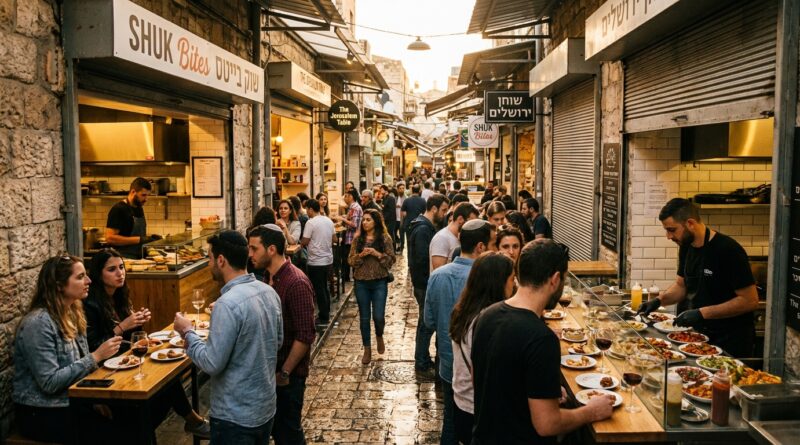
You get to Machane Yehuda hungry, slightly excited, and then it hits you. Music from three bars at once. A line at the place everyone on Instagram already told you about. Ten menus that seem weirdly similar. If you have ever stood there wondering whether you are about to spend good money on a meal that is just fine, you are not alone. Locals feel this too. The difference is that they have quietly started peeling off into the market’s newer restaurant wave. These are the chef-led counters, small dining rooms and smarter openings just outside the obvious crush. If you are searching for new restaurants Machane Yehuda Jerusalem 2026, the good news is that there really are fresh spots worth your night. The better news is that you do not need to gamble. Here is a practical, upbeat guide to the newest openings and the kinds of places that feel current, local and genuinely worth squeezing into your evening.
⚡ In a Hurry? Key Takeaways
- The best new restaurants around Machane Yehuda right now are the smaller chef counters and market-edge openings, not always the famous old-line names.
- Go between 7:00 and 8:00 p.m., or after 9:30 p.m., and be ready with two backup choices within a three-minute walk.
- Stick to busy, well-lit lanes, check current opening hours before leaving, and support independents by ordering a full meal, not just one shared plate.
What feels new around Machane Yehuda right now
When people say “eat in the shuk,” they often mean the same handful of veteran places. Those can still be good, but they are no longer the whole story. The market area has changed. New openings now tend to be smaller, sharper and more personal. A chef takes over a compact corner. A wine bar adds a tight menu that is better than it needs to be. A daytime stall quietly becomes one of the better dinner stops in the neighborhood.
The fresh wave is less about giant dining rooms and more about confident little places with a point of view. Think market produce treated simply, open-fire cooking, sharper pita sandwiches, seasonal small plates, natural wine, modern Jerusalem comfort food, and desserts that feel thought through instead of added at the last minute.
The kinds of new places worth hunting down
1. Chef kiosks with real market energy
These are often the most fun. You sit close to the action, hear everything, and get food that arrives fast without feeling rushed. The best ones have short menus and one or two things they clearly care about. That is a good sign. If a tiny counter is trying to do sushi, pasta, burgers and shakshuka, keep walking.
What to order at these spots is usually obvious. A grilled fish sandwich. A skewer plate done with better meat than expected. A vegetable dish built around what came in that morning. If the person taking orders can tell you what changed on the menu today, you are probably in the right place.
2. Market-edge restaurants with actual breathing room
This is the sweet spot for many visitors. You get the buzz of Machane Yehuda without feeling like you are dining in the middle of a train station. A lot of the strongest newer openings sit just off the busiest lanes. They are close enough to feel part of the scene, but far enough away that you can hear your friends speak.
If you want a date-night meal or a calmer dinner with family, start here. You still get the crowd, the late-night hum and the local energy. You just also get a chair that is not half in the walkway.
3. Wine-first places that happen to feed you very well
Jerusalem has gotten better at this. Some newer spots near the market begin with a strong wine program and then surprise you with excellent food. These work especially well if the famous dinner places are packed. You can often slip in for a glass, order a couple of plates, and end up having the better night.
Look for menus with seasonal vegetables, crudo, good bread, roast chicken, market fish, smart desserts and staff who can explain a bottle without making you feel silly.
How to tell if a place is actually worth your time
Here is the simple checklist I use in Machane Yehuda.
The menu is short
Not tiny. Just focused. Around 8 to 15 food items is usually a healthy sign for a newer market place.
The room has locals in it
You do not need the room to be full of Jerusalem food writers. You just want to see people who look like they came for dinner, not because a guidebook told them to.
The staff can answer one real question
Ask, “What are two things you are proud of tonight?” If the answer is immediate and specific, good. If you get a vague sweep of the whole menu, less good.
The line is moving for a reason
A crowd alone means nothing. Sometimes a line simply means slow service. A worthwhile place has turnover, rhythm and plates coming out looking like someone is paying attention.
The smartest way to do Machane Yehuda dinner in 2026
If you want the current experience, not the stressed one, timing matters more than almost anything.
Best arrival windows
7:00 to 8:00 p.m. is ideal if you want the room to feel lively but still manageable.
After 9:30 p.m. is great if you are happy with a more bar-like mood and a little waiting.
Have a two-stop plan
Pick one main target and two backups within easy walking distance. This removes most of the frustration. The market is small enough that a “sold out” or “45-minute wait” does not have to ruin your evening.
Do one full meal, then one snack
People often make the mistake of treating the whole area like a tasting crawl. That can be fun, but it also leads to lots of queueing and not much satisfaction. Better plan: eat a proper dinner at one newer place, then grab dessert, a cocktail or a late pita somewhere else.
What “new” usually means here, and what it does not
Not every place that opened recently is exciting. Some are just new in the calendar sense. The spots worth your attention are the ones doing one of three things well. They are cooking with the market instead of next to it. They are giving Jerusalem diners something the area did not have enough of. Or they are bringing a more relaxed, more current style of hospitality to a neighborhood that can still get a bit chaotic.
That means your best night may come from a place with only a few tables, a partial menu written by hand, and a team that seems a little tired but very invested. Frankly, that is part of the charm.
A few practical notes before you go
Check hours on the day
Machane Yehuda restaurants can change hours fast. Some close earlier than you expect. Some add late service only on certain nights. Some are affected by events in the city. Call, message or check same-day updates before leaving.
Know the Friday and Saturday rhythm
Jerusalem runs on its own clock. Friday daytime can be packed and fun, but dinner is a different story. Saturday night is often lively again after Shabbat ends, though opening times vary.
Do not judge a place by the front counter alone
Some of the newer, better spots near the market look almost too casual at first glance. If the food coming out looks serious, trust that more than the decor.
Budget a little higher than street food
The newest market restaurants are often not cheap “grab and go” stalls, even if they look informal. That is not a bad thing. If the ingredients are good and the cooking is sharp, you are paying for a real dinner, not just a snack in a pita.
What to order if you are feeling overwhelmed
When in doubt, let the place tell you what it is.
At a grill-focused opening, get the signature skewer or butcher cut. At a produce-driven counter, order the vegetable dish that sounds simplest. At a wine bar, ask for one cold plate, one hot plate and bread. At a seafood-forward spot, go with the freshest fish preparation and whatever is coming off the fire.
The trick is not to overbuild your meal. Newer market restaurants often shine most when you keep it simple.
Who these spots are best for
Visitors who want the “real shuk” without a dud meal
This is exactly the audience for these places. You get the atmosphere people talk about, but with less guesswork.
Jerusalem locals who are bored of the obvious names
If you have done the classics enough times, the newer openings are where the energy is now. They feel less frozen in place.
People looking for something hopeful
This matters. Right now, a good evening out in Jerusalem is not trivial. It is grounding. It is a reminder that the city still knows how to gather, feed people well and create normal life in a way that feels generous.
At a Glance: Comparison
| Feature/Aspect | Details | Verdict |
|---|---|---|
| Best type of new spot | Small chef counters and market-edge dining rooms with short menus and strong identity | Most likely to give you a memorable meal |
| Best time to go | 7:00 to 8:00 p.m. for balance, after 9:30 p.m. for energy and easier walk-ins | Timing can matter more than the specific restaurant |
| How to avoid disappointment | Check same-day hours, keep two backups nearby, and skip overlong menus | Best way to eat well without wasting the night in line |
Conclusion
Machane Yehuda still rewards curiosity. You just need a better filter than “where is the longest line?” The new restaurants Machane Yehuda Jerusalem 2026 diners should care about are the places bringing fresh ideas, tighter menus and real personality to the market area. For visitors, that means a night that feels less tourist-trap and more like you stumbled into the city’s current conversation. For locals, it is a way to support small independent restaurants while they are still finding their feet. And for anyone exhausted by the heavier headlines, it is something simpler and more human. A table, a counter seat, a glass in hand, and excellent food shoulder to shoulder with people who actually live here. If you are wondering where is new and worth your time tonight near Machane Yehuda, start with the smaller, newer, more focused places. That is where the energy is now.