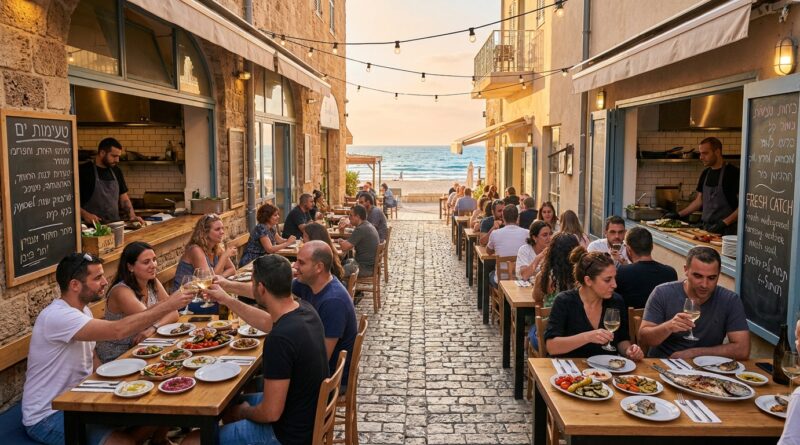
North of Tel Aviv: The Coastal Towns Quietly Opening Israel’s Most Exciting New Restaurants
You can do everything “right” on an Israel food trip and still miss the most exciting meals. That is the frustrating part. People land at Ben Gurion, book Tel Aviv, maybe add Jerusalem, and follow the same short list everyone else follows. Meanwhile, some of the freshest restaurant openings are happening north of Tel Aviv in smaller coastal cities like Herzliya, Netanya, Caesarea, Hadera, and Zikhron Ya’akov’s nearby coastal orbit. These are not backup options. They are where chefs are testing new ideas, where dining rooms still feel local, and where Friday night tables can be harder to get than the famous spots tourists know by name. If you are searching for the best new restaurants on Israel coast outside Tel Aviv, this is where to start. Think less checklist tourism, more “how did we not know about this place?” energy. That is usually a good sign you are eating where locals actually want to be.
⚡ In a Hurry? Key Takeaways
- The best new restaurants on Israel coast outside Tel Aviv are increasingly in smaller cities like Herzliya, Netanya, Caesarea, Hadera, and nearby coastal hubs, not just in the big-name food capitals.
- Book ahead for Thursday and Friday nights, check Instagram for menu changes, and be ready to drive 20 to 45 minutes north for a much more local meal.
- You often get better access, easier parking, and a stronger sense of place, but hours can shift fast, so always confirm before you go.
Why the action has moved up the coast
Tel Aviv still matters. Of course it does. But it is no longer the only place where ambitious chefs want to open something new.
Rents outside the city center can be lower. Dining rooms can be bigger. Parking is less of a fight. And chefs who spent years working in Tel Aviv now have enough confidence to open places closer to home, or in cities where they think local diners are ready for something sharper and more personal.
That shift changes the whole experience for diners. Instead of trying to squeeze into a packed room with a two-hour table limit, you may find a place with sea air, calmer service, and a menu that feels less built for social media and more built for repeat customers.
That is often where the really interesting food starts.
Which coastal towns are worth your attention?
Herzliya
Herzliya is not exactly secret, but many travelers still treat it as a business district or marina stop. That is a mistake. The newer openings here tend to split into two lanes. One is polished, seafood-forward, and date-night ready. The other is chef-led neighborhood dining, where the room is casual but the cooking is serious.
Look for restaurants doing smart raw fish, wood-fired vegetables, and menus that change with the catch. Herzliya is a good first stop if you want something more refined than a beach shack but less scene-heavy than central Tel Aviv.
Netanya
Netanya has long had plenty of places to eat, but now it is getting more chef-driven spots that feel current without trying too hard. Some of the best new tables here mix North African, French, and modern Israeli ideas in a way that feels natural for the city.
This is a great place to look if you want strong seafood, good wine, and a meal that feels rooted in local tastes rather than designed for tourists. The sea-view factor does not hurt either.
Caesarea
Caesarea can seem like a place people visit for ruins and then leave. Lately, though, newer restaurants around the area are giving people a reason to stay for dinner. Expect more upscale rooms, ingredient-driven cooking, and menus built for long meals rather than quick beach stops.
If you are planning a day trip, this is one of the easiest places to turn sightseeing into a real food outing.
Hadera and the surrounding stretch
Hadera is one of those places many travelers pass through without a second thought. That is exactly why it can surprise you. Newer openings in and around the area are often more relaxed and less expensive than the bigger-name cities, but still ambitious.
You may not get white tablecloth theater. You may get something better. A chef who knows the local crowd, buys well, cooks carefully, and does not need to perform “big city restaurant” every night.
Zikhron Ya’akov and nearby coastal access points
Zikhron itself is a little inland, but it belongs in this conversation because many people pair it with the coast and because the restaurant scene around it has become much more interesting. New spots here often lean seasonal, wine-friendly, and quietly creative.
If your ideal evening is a scenic drive, a thoughtful dinner, and a slower pace, this area is a smart choice.
What makes these new restaurants more exciting than the obvious picks?
First, they still feel discovered. Not “secret,” exactly. Just not over-explained.
Second, the chefs are often cooking for people who will come back next week, not just for one-time visitors. That usually means better balance, better value, and less gimmick.
Third, there is more room to be specific. A smaller coastal city can support a place that reflects one chef’s background, one family tradition, or one regional style without needing to please every kind of diner in the space of one menu.
And if you like spotting places before they become impossible to book, this is the sweet spot. For more on that kind of restaurant, it is worth reading Israel’s Next Michelin Darlings: 5 New Restaurants Locals Say Are ‘Stars in Waiting’. It catches the same mood. Restaurants that feel like they are on the verge of becoming much bigger names.
How to find the right place without speaking Hebrew fluently
This is where many English-speaking travelers get stuck. The best places outside the main tourist bubble are often not covered well in English. That does not mean they are hard to book. It just means you need a slightly different method.
Start with Instagram, not review sites
Many new Israeli restaurants update Instagram more reliably than their own websites. You will usually find current dishes, holiday hours, chef collaborations, and whether the place is still in its opening buzz phase.
Check location tags and recent stories
If a dining room is full of local-looking tables on a Thursday night, that tells you a lot. So do tagged photos of actual plates from the last week.
Message directly if needed
A short message in English often works. Ask if they are open, whether reservations are needed, and if there is a tasting menu or seafood focus that night.
Use Google Maps, but read between the lines
Do not just sort by highest rating. Read the newest reviews. You want signs of momentum. Phrases like “finally something different here,” “chef from Tel Aviv,” or “packed with locals” are usually useful clues.
What to expect when you go
Expect shorter menus. Expect dishes that sell out. Expect some rough edges too.
New restaurants outside major tourist zones can be excellent and still not run with hotel-level polish. Service may be warm but informal. Menus may be partly in Hebrew. Parking may be easy one night and weirdly chaotic the next.
That is not a warning. It is part of the appeal. You are getting a more local version of dining out, not a stage-managed experience built around visitors.
Best strategy for planning a meal north of Tel Aviv
Make it part of a half-day, not just dinner
The easiest win is to combine the meal with a beach walk, a Caesarea visit, a marina stop, or wine tasting near Zikhron. That turns a simple reservation into a whole day that feels new.
Go on weeknights if you can
Thursday and Friday nights can fill fast because that is when Israelis go out. If your schedule is flexible, Sunday through Wednesday often gives you better access and a calmer room.
Rent a car or plan transport early
These places are easier with a car, especially if you want to hop between towns. Trains help for some routes, but not every great restaurant is close to a station.
Call the same day
This one matters. Hours can change around private events, holidays, and soft-opening hiccups. A quick call saves a wasted drive.
Who will enjoy this most?
If you have already “done” Tel Aviv and Jerusalem, this is for you.
If you are the person who always wants the newer, more local, less obvious option, this is for you too.
And if you live in Israel and are tired of hearing the same city names in every dining conversation, these coastal towns are a reminder that the scene is getting wider, not just louder.
At a Glance: Comparison
| Feature/Aspect | Details | Verdict |
|---|---|---|
| Food style | Chef-driven menus, seafood, seasonal produce, and more personal cooking than many tourist-heavy city spots | Best for diners who want something current and local |
| Practicality | Usually easier parking and reservations than Tel Aviv, but transport and opening hours need checking | Great value if you plan ahead |
| Overall experience | Less touristy, more local, often calmer rooms with a stronger sense of place | Often more memorable than the obvious big-city booking |
Conclusion
If Tel Aviv and Jerusalem already feel familiar, the coast north of Tel Aviv is where the fun starts again. These smaller cities are quietly building some of the most interesting dining scenes in the country, with new chef-led restaurants, more local energy, and far less English-language hype. That is exactly why they matter. For travelers and locals alike, they offer a chance to eat like insiders, support ambitious new businesses outside the central bubble, and discover a side of Israel’s food culture that big international guides still barely notice. Sometimes the best meal on your trip is not in the city you planned around. It is 30 minutes up the coast, in a place you almost drove past.