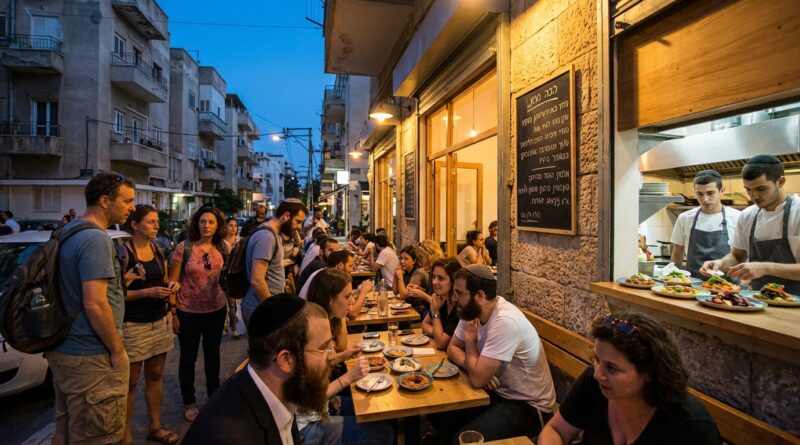
Where Locals Are Actually Eating Now: 5 Under‑the‑Radar New Spots Israelis Are Whispering About
You know the drill. A flashy new Tel Aviv place lands on Instagram, gets written up everywhere, and by the time you book, it already feels old. Worse, half the room is there because a list told them to be. If you are trying to figure out the best new restaurants in Israel right now, the real challenge is not finding places with hype. It is finding the ones locals have started returning to before they become impossible to get into. That sweet spot is small, and it moves fast. Right now, some of the most interesting meals are happening outside the usual overexposed script, in compact dining rooms, market-adjacent kitchens, and low-key neighborhood spots from Haifa to the south. These are the openings people are quietly messaging friends about this week. Not every one is fancy. That is part of the point. They feel current, alive, and worth your appetite.
⚡ In a Hurry? Key Takeaways
- Some of the best new restaurants in Israel right now are not the loudest ones. They are smaller, newer spots with repeat local crowds.
- Go early in the week, book lunch when possible, and follow chef or restaurant stories for menu changes before you reserve.
- New openings can shift fast on hours, menu size, and service rhythm, so check the latest updates before making a special trip.
Where locals are actually booking tables this week
If you want the real list, you have to stop chasing whatever went viral two months ago.
The best new restaurants in Israel right now tend to share a few traits. They opened recently. They already have a base of return customers. And they are still hungry enough to care deeply about every plate leaving the kitchen.
That means better odds of getting an exciting meal without standing in line behind half of social media.
1. A compact chef-led bistro in lower Haifa
Haifa has been quietly building one of the country’s most interesting food scenes, and one of the freshest additions is the kind of place locals love to “accidentally” mention after they have tested it twice first. Think a short menu, natural wine, sharp pickles, a fish crudo if the catch is right, and one slow-cooked dish that changes with the week.
The draw here is confidence. The kitchen is not trying to impress with tricks. It is trying to feed people well. That usually means excellent bread, a few smart small plates, and mains that feel bigger than the room.
Why people are whispering about it: It feels like a neighborhood place from day one, not a concept built for photos.
2. A market-edge grill house in Tel Aviv that skipped the hype cycle
Yes, Tel Aviv is still opening places every five minutes. The difference is that a few smart new spots have stopped trying to be “the next big thing” and just focused on being very good. One of the most talked-about under-the-radar openings right now is a market-adjacent grill spot where the menu reads simple, then lands much better than expected.
Skewers are treated seriously. Salads are bright, not decorative. The pita matters. So do the sauces. You go because it sounds easy, then you start planning a second visit for the dish you skipped.
Best move: Lunch or early dinner. You will catch the room when it is lively but not slammed.
3. A Galilee-inspired small plates room in the north
This is the kind of opening that reminds you Israel’s most exciting food story is not just in the center. A new northern spot drawing local attention right now is leaning into Galilee ingredients without turning dinner into a lecture. Herbs are fresh. Labneh tastes like somebody actually cared. Seasonal vegetables get just enough fire. Meat, when it shows up, earns its place.
There is often a warm, homespun quality to these rooms. That can sound modest on paper. In practice, it can be exactly what people are craving after one too many polished but forgettable meals.
Who will love it: Anyone more interested in flavor and feel than scene points.
4. A Jerusalem opening with a tighter menu and stronger identity
Jerusalem’s restaurant scene can be brilliant, but it can also feel a little split between old institutions and places chasing trend after trend. One of the stronger new arrivals is winning locals over by doing less. Fewer dishes. More point of view. Better execution.
Expect a room that is busy but not chaotic, with a menu that mixes city comfort with a cleaner, newer style. One standout sign is when regulars start bringing visiting friends there. That is usually how a real local favorite begins.
What to order: Ask what changed this week. If the staff answers quickly and with excitement, that is a very good sign.
5. A desert-side kitchen in the Negev worth building a day around
This is where travelers who want something current should pay attention. The south is getting more interesting, and not just in boutique hotel dining rooms. A newer Negev spot getting warm local word-of-mouth is built around the idea that destination dining does not need to be formal to matter.
You may find open-fire cooking, regional produce, maybe a deeply savory stew, maybe a beautiful plate of roasted vegetables with tahini that tastes much better than it sounds. The atmosphere is often part of the appeal. Slower pace. More sky. Less performance.
Why it matters: It helps shift the map of where the best new restaurants in Israel right now are actually found.
How to tell if a “hot” new place is truly worth it
Here is the simple filter I use.
If locals are going back within two weeks, that matters more than a polished launch. If the menu is short but changes often, that is usually a good sign. If service is still a little rough but the room is full of people clearly enjoying themselves, I would take that over a perfectly choreographed overhyped opening any day.
If you want to get better at spotting these places before everybody else, this guide on The best way to find Israel’s hottest new restaurants before everyone else is genuinely useful. It gets at the real issue. Timing.
What to do before you make the trip
Check the basics the same day
New restaurants change fast. Opening days shift. Menus shrink. Pop-ups become permanent, then close for a private event on Tuesday.
Always check stories, not just the profile grid or old reviews.
Book the less obvious slot
Lunch is often easier, cheaper, and calmer. Sunday through Tuesday can also be the best time to experience a new place before it gets noisy.
Ask one direct question when reserving
Try this: “What are people coming back for this week?”
If they have a real answer, you are likely dealing with a place that already has a pulse.
Why this matters more right now
Israel’s food scene is moving quickly. Some older favorites are changing chefs. Others are reworking their style entirely. Meanwhile, new kitchens are opening in places that used to get ignored by national lists.
That is good news for diners. It means the best meal of your trip might not be at the place with the most press. It might be at the newer room where the chef is still on the floor, the menu still has edge, and the people at the next table actually live nearby.
At a Glance: Comparison
| Feature/Aspect | Details | Verdict |
|---|---|---|
| Best region for surprises | Haifa, the north, and the Negev are producing some of the most interesting newer openings outside the usual Tel Aviv spotlight. | Worth expanding your map. |
| Best booking strategy | Reserve early-week lunches or first dinner seating, and confirm hours the same day. | Smartest way to avoid disappointment. |
| Best sign a place is truly local-loved | Return customers, a short changing menu, and staff who can tell you what regulars are ordering now. | Much more reliable than hype. |
Conclusion
If you are tired of recycled lists, that is completely fair. Right now Israel’s dining scene is shifting fast, with new places opening from Haifa to the Negev while older favorites quietly change chefs or concepts. A tighter, ground-level guide like this helps you cut through the noise, skip tourist-trap energy, and put your money toward young kitchens that actually need support this month, not places that are already impossible to get into. It also makes travel feel more current. More local. More fun. The best new restaurants in Israel right now are not always the loudest names. Often, they are the places people mention softly, then book again before you can.