Israel’s New Campus Chef Spots: Inside the Hebrew U Restaurants Turning Students Into Food Tourists
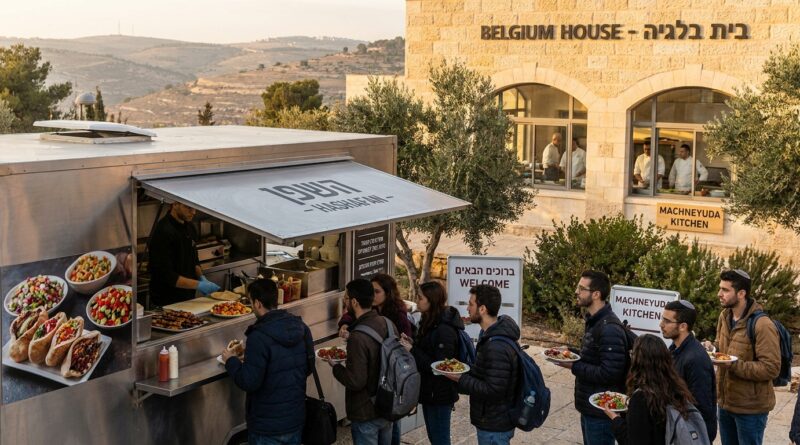
You can spend days planning where to eat in Jerusalem and still make the same mistake most visitors make. You skip the university campus. Fair enough. “Campus food” usually means soggy schnitzel, a sad coffee, and a tray you want to forget. That is exactly why this new twist at Hebrew University catches people off guard. Some of the city’s most interesting new plates are now being served on the Edmond J. Safra Campus, and not as a quirky side project either. The big draw is the new Machneyuda restaurant Hebrew University campus story that food fans are only just starting to clock. The famous Jerusalem restaurant group has moved into campus life with Hashafan, a food truck, and Belgium House, a meat-focused restaurant that feels far more destination dining than student cafeteria. If you are trying to fit one more worthwhile meal into a packed Jerusalem day, this is the kind of tip that saves you from overpriced tourist stops.
⚡ In a Hurry? Key Takeaways
- Hebrew University’s Edmond J. Safra Campus is becoming a real food stop, thanks to Machneyuda’s new on-campus restaurants and food truck.
- If you are visiting Jerusalem, consider lunch or an early dinner on campus instead of defaulting to the Old City tourist belt.
- Value is the big win here. You get serious cooking in a student-heavy setting, often with less hype and better prices than central tourist zones.
Why travelers are suddenly paying attention to campus food
For years, campus dining in Israel sat in a weird blind spot. Students knew where to grab a quick bite, but travelers never thought to look. That made sense when most university food options were built around convenience first, taste second.
Now that math has changed. Big-name restaurant groups have realized that campuses are not just places to feed hungry students. They are packed, lively neighborhoods with built-in foot traffic, long opening hours, and a crowd that actually cares about what it is eating.
At Hebrew University, that change is getting a very public face. Machneyuda, one of Jerusalem’s best-known restaurant groups, has expanded onto the Edmond J. Safra Campus. That is not a minor catering deal. It is a sign that campus dining is being taken seriously as part of the city’s food scene.
What is actually new at Hebrew University
Hashafan brings the casual, fast-moving energy
Hashafan is the easier entry point. Think food truck, not formal dining room. It is built for people who want flavor fast, whether they are running between classes, heading back to the lab, or just stopping by because they heard something good was happening on campus.
That matters for travelers too. Not every good Jerusalem meal needs to be a two-hour sit-down event with a reservation and a long taxi ride. Sometimes you want a strong lunch that feels local, current, and unfussy. Hashafan sounds built for exactly that kind of stop.
Belgium House is the heavier hitter
If Hashafan is the quick, high-energy option, Belgium House is the one that makes people rethink what “campus restaurant” means. This is the meat-driven venue in the new lineup, and from everything coming out so far, it sounds much closer to destination dining than student refueling.
That is the real story here. The new Machneyuda restaurant Hebrew University campus move is not just about putting a famous name on a school property. It is about bringing restaurant-group ambition into a place most visitors have ignored for years.
Why this matters more than it sounds
Jerusalem is full of eating traps. Some are obvious. Restaurants with laminated menus near major tourist routes. Places where the location does most of the work and the food coasts along behind it. If you are visiting for a short time, it is easy to end up in one of them simply because it is nearby and you are hungry.
Campus dining offers a useful escape hatch. At a place like Hebrew University, the crowd is mixed. Students. Faculty. Researchers. Locals. Visiting academics. People who need to eat there more than once. That usually creates a healthier kind of pressure. Food has to be worth coming back for.
That is why these new spots are more than a curiosity. They give travelers another Jerusalem strategy. Instead of squeezing into the same familiar market stalls or settling for a bland meal near a major landmark, you can head somewhere that still feels lived-in.
Who should actually go
This is a smart detour for a few kinds of travelers.
The food-focused visitor with one day in Jerusalem
If your day is already packed with the shuk, a museum, and a walk through the city center, campus food can slot in neatly without feeling like a side quest. You get something new without giving up half your afternoon.
The repeat Israel traveler
If you have “done Jerusalem” before, this is exactly the sort of update worth chasing. It shows how the city’s food map keeps moving. Good eating in Israel is no longer confined to the same famous strips and market lanes.
The budget-conscious diner who still wants quality
Campus locations often keep a closer eye on price than high-visibility tourist restaurants. That does not always mean cheap, but it can mean better value. For a lot of travelers, that is the sweet spot.
How to fit it into a Jerusalem day without making it complicated
The trick is not to treat Hebrew University like a full-day attraction if food is your main goal. Treat it as a meal destination with some bonus atmosphere.
If you are already near central Jerusalem, a campus meal works well for lunch or early dinner. That leaves the rest of your day open for the usual sights. You are not replacing Jerusalem’s classics. You are dodging the weaker meal options that often sneak into a busy itinerary.
It is also a nice counterweight to the Old City area. The history there is powerful. The restaurant scene around it can be hit or miss. So if you want your day to include one meal that feels more current than touristy, campus dining is a smart play.
What makes this feel so Israeli
One thing visitors often miss is how mixed Israeli dining spaces can be. A strong local restaurant is not just about the food. It is about the room. Who is in it. How people use it. On campus, that mix gets especially interesting.
You are likely to find students on a budget, professors grabbing lunch, international visitors, and people who came just because they heard the food was good. That blend gives the place life. It also makes the meal feel connected to daily Jerusalem, not staged for outsiders.
That is a big part of the appeal. These are not museum-piece restaurants. They are working places inside a working environment.
What to keep in mind before you go
Check access and hours
Campuses are public-facing in many ways, but they are still institutional spaces. Hours can shift around the academic calendar, holidays, and security rules. It is smart to check before heading over, especially if you are going out of your way for a specific place.
Go with realistic expectations
This is still campus dining in the sense that it lives on a campus. Do not expect the polished ceremony of a luxury hotel restaurant. The appeal is different. It is about good cooking in a surprising place, with a crowd that makes it feel alive.
Use it as a food stop, not a trophy stop
If you go only because a famous restaurant group is attached, you may miss the point. The fun is in seeing how a big local food name adapts to a student-heavy setting. That tension is what makes the story interesting.
At a Glance: Comparison
| Feature/Aspect | Details | Verdict |
|---|---|---|
| Food quality | Machneyuda’s involvement suggests cooking with real point of view, not standard institutional food. | A strong reason to go. |
| Convenience for travelers | Best used as a planned lunch or dinner stop during a Jerusalem itinerary. | Worth the detour if food matters to you. |
| Value compared with tourist zones | Campus settings often give you a more local crowd and less inflated “view tax.” | Potentially one of the smarter Jerusalem meal choices. |
Conclusion
The simple takeaway is this. Stop assuming the best new meals in Israel are only on the obvious streets. The Machneyuda expansion onto Hebrew University’s Edmond J. Safra Campus, with Hashafan and the meat-focused Belgium House, is exactly the kind of fresh development that even serious Israel food fans are only beginning to hear about. That makes it useful for travelers right now. You can squeeze one more genuinely good meal into a packed Jerusalem day, skip some of the tired tourist options near the Old City, and see a different side of Israeli dining culture at the same time. Not bad for a place most people used to walk past without a second thought.