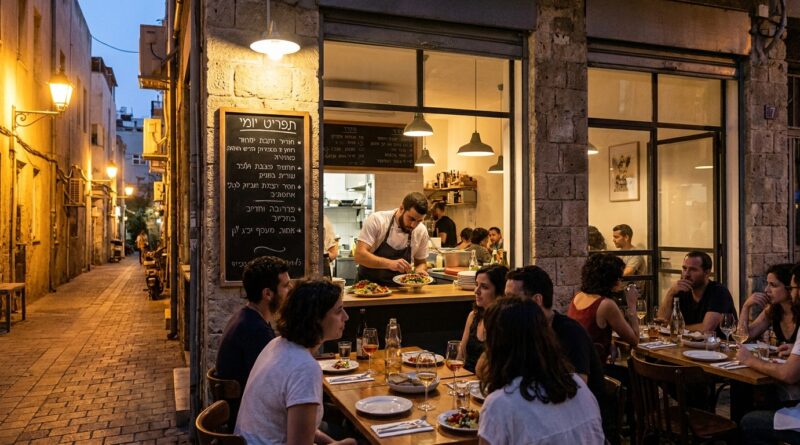
Israel’s New Chef-Owned Neighborhood Bistros: The Small Dining Rooms Local Food People Are Chasing First
You know the feeling. Someone sends you a hot new Tel Aviv or Jerusalem reservation link with a fire emoji, you tap it five minutes later, and the next open table is sometime around the High Holidays. That is the problem with chasing restaurant news through TikTok, Instagram reels, and big roundups. By the time a place is “discovered,” it is already crowded, louder than it should be, and sometimes not even that good. The real action right now is in Israel’s tiny chef-owned neighborhood bistros. Small rooms. Short menus. Serious cooking. Often tucked onto side streets where you would walk past without noticing. If you are trying to find the best new restaurants in Israel 2026 chef bistros before everyone else does, the trick is not chasing hype. It is learning what signals matter, which openings are getting quiet respect from cooks and wine people, and how to book smart in the first two to six weeks.
⚡ In a Hurry? Key Takeaways
- The strongest new dining energy in Israel right now is in tiny chef-run bistros on secondary streets, not the flashiest rooftops or mall openings.
- Book within the first two weeks, aim for Sunday to Tuesday, and follow chef and staff accounts, not just big food influencers.
- Small rooms can be excellent but uneven in week one, so go early for access, but give the kitchen a little grace on opening nights.
Why these small chef-owned bistros are the story right now
Mid 2026 feels different. A lot of the most interesting openings are not trying to be “concept” restaurants. They are trying to be neighborhood places with serious food.
That matters. When the chef owns the room, or is there every night, you usually feel it fast. The menu is tighter. The cooking has more point. The service knows what the kitchen is trying to do. You are not paying for a giant fit-out and a PR campaign. You are paying for taste, rhythm, and judgment.
These rooms also fit the moment. Diners want somewhere they can return to, not just photograph once. A 28-seat bistro in north Tel Aviv, a Jerusalem room built around one sharp seasonal menu, or a compact Haifa wine bar with a chef behind the pass can build loyalty much faster than a giant launch with a host stand and a neon sign.
How to spot a real one before it goes impossible
1. Look for chef presence, not just chef branding
A lot of places say “chef-led.” Fewer are actually chef-owned or chef-run day to day. There is a difference.
The strongest early sign is simple. Is the chef in the room most nights? Are they posting prep, market runs, staff meal, test dishes, and soft opening notes? Or is the account mostly polished launch graphics and paid influencer clips?
If the kitchen feels personal, that is usually a better bet than a place built to scale fast.
2. Check the menu length
Small bistros worth chasing usually open with restraint. Think 12 to 18 food items, not 40. A short menu says the kitchen knows what it wants to cook and can keep quality steady in a tiny space.
Watch for menus that read like an actual dinner someone wants to serve. A few raw dishes. One or two vegetables that sound better than they should. A pasta or rice plate. Fish. Maybe one meat dish. A dessert list that does not try too hard.
3. Read who is eating there first
The people who find these places first are usually not lifestyle creators. They are cooks on their night off, wine importers, front-of-house people, local journalists, and regulars who know owners around town.
If you see a new place getting quiet praise from those people, pay attention. If all the early content is ring lights and “best spot ever” captions with no detail, slow down.
4. Watch reservation behavior, not just availability
A nearly full book is not always a quality sign. Sometimes it is just a tiny room with a lot of launch curiosity.
What you want to see is this. The place opens bookings, fills the prime slots fast, then adds lunch, bar seating, or a second seating because demand is real. That tells you there is momentum beyond launch week.
The neighborhoods where the smartest diners are looking first
Tel Aviv
The obvious central zones still matter, but many of the best new bistros are landing one or two streets away from the busiest strips. That is where rents are a little less punishing and the room can stay intimate.
Look around Levontin-adjacent blocks, the calmer pockets off Dizengoff, and mixed residential streets in the old north and south-central areas where people actually live nearby. The clue is often a place that opens for dinner only at first, with a compact wine list and an owner greeting half the room by week three.
Jerusalem
Jerusalem’s best small openings often feel more deliberate. Less launch noise. More word of mouth. You may see a chef with fine dining background open a much warmer, simpler room, with local produce, one excellent bread service, and a menu that shifts often.
The smart move here is to check for neighborhood traction, not tourist traction. If locals are already treating it like a regular place, that is the one to chase.
Haifa
Haifa is still where a lot of diners from the center are behind the curve. That is good news for anyone willing to move a little faster. Some of the most interesting small rooms there are mixing seaside ease with much sharper cooking than people expect.
If you want a wider sense of what is happening up north, start with Haifa’s Quiet Restaurant Revolution: The New Seaside Kitchens Food People Are Seriously Underrating. It is a useful reminder that the best table in Israel on a given week is not always in Tel Aviv.
A same-week playbook for getting in before everyone else
Book the “bad” nights
Sunday, Monday, and Tuesday are your friends. So are early tables at 6:30 to 7:15 and late tables after 9:30, depending on the city. Small rooms clog up on Thursday almost immediately.
Use the waiting list like a grown-up
Do not just click “join waitlist” and hope. Send one short, polite message. Say you are flexible, mention party size, and give two possible date windows. Tiny places remember easy customers.
Example: “Hi, we are two, flexible on Sun-Tue this week, happy with bar seats or early dinner if anything opens.” That works better than three follow-up messages and a sad face.
Follow the staff, not only the restaurant
This is one of the best tricks. Hosts, sommeliers, sous chefs, and owners often post soft openings, cancellations, new lunch launches, and off-menu specials before the main account does.
That is how regulars get in.
Go in week two or three, not opening night
Week one can be fun, but it is often messy. Systems are still settling. Week two and week three are the sweet spot. The room still feels new, but the kitchen has found its legs.
What makes a new bistro actually worth your night out
A clear point of view
You should be able to explain the place in two sentences. Not with marketing talk. With food talk.
Maybe it is a chef cooking market-driven small plates with unusually good sauces. Maybe it is a bistro built around wood-fired fish and low-intervention wine. Maybe it is Jerusalem comfort food filtered through a chef who trained in fine dining. If you cannot tell what the place is trying to be, the kitchen may not know either.
One or two dishes people bring up unprompted
Strong new restaurants get talked about through dishes first. Not interiors. Not celebrity sightings.
If different people mention the same tartare, grilled squid, schnitzel, lamb skewer, burnt cheesecake, or tomato tart, that is a better sign than a hundred generic “obsessed” comments.
A room that knows its limits
Small bistros fail when they try to do too much. Lunch too soon. Brunch too soon. Delivery. Private events. A giant cocktail program in a room that cannot support it.
The places worth chasing usually stay disciplined early. Dinner first. Food first. A tight wine list. Maybe lunch later once the team is ready.
Red flags that should make you wait a month
Not every “hot” opening deserves your next free night. A few warning signs are worth taking seriously.
Too much menu, too little identity
If the place is serving crudo, tacos, arancini, steak frites, sushi cones, and three kinds of tiramisu, ask yourself why.
More content than customer feedback
If all you can find is staged video and almost no detailed comments from actual diners, it may be built more for launch than for staying good.
Reservations packed, but no repeat energy
A place that is impossible in week one and weirdly easy by week four often had curiosity, not staying power.
Prices that outrun the room
You can charge serious money in a tiny space if the cooking earns it. But if the menu reads expensive without giving any sign of care, patience, or craft, skip it.
How to order like someone who has been before
You do not need to perform expertise. But a few habits help.
Ask what the kitchen is happiest with that night
That question is still underrated. In a small chef-run room, the answer is often honest and useful.
Do not over-order in the first round
These menus are built to unfold. Start with three or four things for two people. Add from there. You will order better, and the table will feel less like a sprint.
Let the room guide the wine
If there is a person on the floor who clearly cares about wine, use them. Small bistros often have short, smart lists where the good bottle is not the most expensive one.
Where the buzz is strongest right now
The pattern across Tel Aviv, Jerusalem, and Haifa is pretty consistent. The places local food people are chasing first tend to have these traits:
- Chef-owner physically present most services
- 28 to 45 seats, sometimes fewer
- Short menu with seasonal changes
- Thoughtful but not showy wine program
- Secondary street location, not the loudest commercial strip
- Immediate repeat visits from industry people
That is the center of gravity for the best new restaurants in Israel 2026 chef bistros. Not giant openings. Not imported formats. Small rooms with conviction.
At a Glance: Comparison
| Feature/Aspect | Details | Verdict |
|---|---|---|
| Best booking window | Weeks 2 to 6 after opening, especially Sun-Tue and early or late seatings | Best mix of access and kitchen stability |
| Most reliable hype signal | Quiet praise from chefs, sommeliers, servers, and repeat local diners | More useful than viral influencer posts |
| Worth-it restaurant profile | Chef-owned, short menu, small room, clear food identity, disciplined launch | Usually the safest bet for a precious night out |
Conclusion
If you are tired of hearing about a “must-try” place only after it becomes impossible, this is the reset. The biggest dining energy in Israel right now is not just in flashy rooftops or mall projects. It is in tiny, chef-run bistros opening quietly on secondary streets in Tel Aviv, Jerusalem, and Haifa. Start with chef presence, short menus, early industry buzz, and smart off-peak booking. That gets you to the right rooms faster. More important, it helps you spend your night out on places with a real point of view, not just good timing on social media. For the IsraRest community, that means a same-week playbook you can actually use, and the kind of on-the-ground detail that makes you feel like a plugged-in regular, not a tourist following last month’s list.