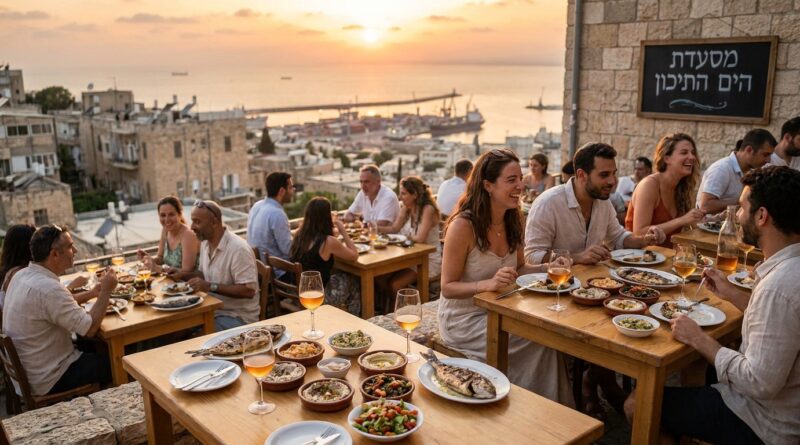
Israel’s New Coastal Restaurant Wave: The Haifa And Eilat Kitchens Quietly Upgrading Your Next Beach Vacation
You book Haifa or Eilat for the sea, the light, the easier pace. Then dinner happens, and suddenly you are staring at the same laminated menu you could have found ten years ago. That frustration is real. Israel’s food press still spends most of its time talking about Tel Aviv and Jerusalem, while some of the most interesting coastal cooking is quietly moving north to Haifa and south to Eilat. That matters if you are trying to find the best new restaurants in Haifa and Eilat without wasting a night, or a lot of shekels, on a forgettable tourist trap. The good news is that a real shift is underway. Younger chefs are using lower rents, better access to seafood, and a less formal crowd to open places that feel current but not fussy. Think raw fish, charcoal grilling, small plates, natural wine, and service that is warm instead of stiff. If you know where to look, your beach trip can eat a lot better.
⚡ In a Hurry? Key Takeaways
- The best new restaurants in Haifa and Eilat are usually not the loudest waterfront spots. They are chef-led places a street or two back, or inside revived market and port areas.
- Start with fish-forward menus, short wine lists, and smaller dining rooms. Those are often the signs you have found the newer wave, not an old tourist standby.
- Check opening days, kosher status, and reservation options before you go. In a slower tourism market, hours can shift fast and good places still fill up on weekends.
Why Haifa and Eilat are suddenly more interesting to eat in
Part of this is simple economics. Tel Aviv rents are brutal. Jerusalem can be complicated in its own way. Haifa and Eilat give younger operators more breathing room. That means they can take chances on tighter menus, better sourcing, and more personal service.
The other part is mood. Diners in both cities often want something polished, but not heavy. They want a place where you can come sandy from the beach, order a sharp glass of wine, split a whole fish, and not feel underdressed. That has created space for restaurants that look relaxed but cook seriously.
For visitors, this is easy to miss. Tourist strips still dominate search results. Promenade locations still catch the walk-in crowd. But some of the real restaurant energy now sits just outside the obvious zones.
What the new coastal restaurant wave actually looks like
Haifa: Port-city confidence, market energy, and sharper seafood
Haifa has an advantage many food cities would love to have. It already has layers. Arab food traditions, Russian and Eastern European influences, strong local markets, easy access to fish, and a younger crowd moving between downtown, the port, and the Carmel area. When new kitchens open here, they do not need to invent a scene from scratch. They can plug into one that already eats well.
What is changing is style. More new spots are trimming their menus. Instead of twenty safe dishes, you might see eight or ten plates that show real point of view. Crudo with citrus and herbs. Local fish grilled over coal. Seasonal vegetables treated with as much care as the main plate. Desserts that feel homemade, not bought in.
Service is shifting too. Less white tablecloth theater. More staff who can explain the catch, suggest a bottle, and keep the meal moving without rushing you.
Eilat: Beyond hotel buffets and promenade sameness
Eilat has had a tougher restaurant reputation for years, and not unfairly. Too many places built themselves around quick tourist turnover. Big menus. Average ingredients. Views doing a lot of the work.
But that is exactly why the newer openings stand out. When a chef in Eilat decides to do fewer things better, you notice it right away. A compact seafood menu. Better bread. Cleaner flavors. A wine list that is not an afterthought. Maybe a room that feels a little more urban than beach-kitsch.
The city also benefits from a crowd that mixes locals, domestic travelers, divers, remote workers, and winter sun seekers. That mix can support restaurants with more identity than the old promenade formula.
How to spot the best new restaurants in Haifa and Eilat before everyone else does
1. Ignore the giant menu
If the menu runs for pages and covers sushi, burgers, pasta, steaks, and shakshuka, that is usually your warning sign. The newer, more serious coastal kitchens tend to focus. Fish. Small plates. Grilling. Seasonal specials. A few desserts. Done well.
2. Look for short wine lists with actual personality
You do not need to be a wine person for this to help. A place pouring a few interesting Israeli bottles, maybe some natural wine, is often putting thought into the rest of the operation too.
3. Check where locals are booking, not just where tourists are walking in
This is a big one. In Haifa, that can mean looking around downtown and market-adjacent streets rather than stopping at the first sea-view terrace. In Eilat, it often means stepping off the main promenade and checking smaller independent rooms that rely on repeat local business.
4. Watch the fish section closely
Restaurants serious about seafood usually tell you something useful. Daily catch. Origin. Cooking method. Maybe the fish changes with availability. If every fish dish sounds frozen, breaded, or generic, move on.
5. Read recent Hebrew and English posts, but trust patterns
One glowing review means very little. Five recent comments praising freshness, pacing, and consistency mean more. If locals mention a place by dish name instead of just “nice atmosphere,” that is usually a good sign.
What to order when you want the “new wave” experience
If you want to understand what these newer restaurants are trying to do, skip the safest item on the menu. Order across categories.
- Start with one raw or lightly cured fish dish if the place offers it.
- Add a vegetable plate. Good kitchens reveal themselves here.
- Choose one grilled fish or seafood main, ideally a special.
- Ask for a glass of local white or rosé that pairs with the menu.
- Finish with dessert only if the list is short and house-made sounding.
This approach gives you a much better read on the kitchen than defaulting to a burger or schnitzel, even if those can be excellent too.
Common mistakes visitors make in Haifa and Eilat
Booking purely for the view
A sea view is lovely. It is not dinner. Some of the most interesting meals in both cities happen without front-row water views.
Eating too close to the hotel every night
Very understandable. Also the fastest route to overpaying for average food. Even a ten-minute taxi ride can change your options completely.
Assuming coastal means casual and therefore lower quality
That used to be true more often than anyone wanted. It is less true now. Some of the best new restaurants in Haifa and Eilat are relaxed by design, not because they are cutting corners.
Not checking social media for last-minute changes
This matters right now. Between staffing issues, seasonal traffic, and the wider tourism slowdown, restaurants may change hours, close a lunch service, or switch to reservations only on short notice.
How to support the right places, especially now
This part is worth saying plainly. Good independent restaurants in coastal cities do not just compete with each other. They compete with hotel dining rooms, chain grills, and high-rent spots built for passing traffic. In a weak tourism period, smart word of mouth can make a real difference.
If you find a great new place, book ahead when you can. Show up on time. Order from the actual strengths of the menu. Tip fairly. Leave a useful review in English if the meal was strong. Mention the dishes. Mention whether booking was easy. Mention if the staff helped non-Hebrew speakers. That kind of detail helps the next traveler, and it helps the restaurant more than a vague five-star rating ever will.
Practical game plan for your next beach trip
If you are heading to Haifa, plan one meal around the port or downtown area, and another around neighborhoods where locals actually go out to eat. Give yourself permission to walk a little uphill from the water. The food often improves fast.
If you are heading to Eilat, do not let the promenade make every decision for you. Pick one night for convenience if you want. Then use another night to chase the newer independent kitchens that are trying to build a different kind of dining scene.
A simple rule helps. One meal for the view. One meal for the food. If you are lucky, you will get both at once.
At a Glance: Comparison
| Feature/Aspect | Details | Verdict |
|---|---|---|
| Haifa dining scene | Stronger local food culture, varied neighborhoods, and more room for chef-led seafood and small-plate concepts. | Best bet for variety and depth. |
| Eilat dining scene | Still crowded with tourist-first options, but a newer group of smaller independent restaurants is raising the bar. | More selective searching needed, but worth it. |
| How to choose well | Favor short menus, fish specials, thoughtful wine lists, and places with recent local buzz over giant promenade venues. | Most reliable way to avoid tourist traps. |
Conclusion
The real trick is not finding a place with a beach nearby. Haifa and Eilat have plenty of those. It is finding the kitchens that are quietly changing what a beach-city meal in Israel can feel like. Right now, a lot of that energy is moving into coastal cities, where younger chefs can afford to experiment with fish-forward cooking, natural wine, and service that feels easy but still polished. Finding the best new restaurants in Haifa and Eilat, especially in English and before the usual guidebooks catch up, helps you eat better and helps the right businesses survive. So next time you book the coast, do not settle for the first promenade menu you see. A much better dinner may be only one street away.