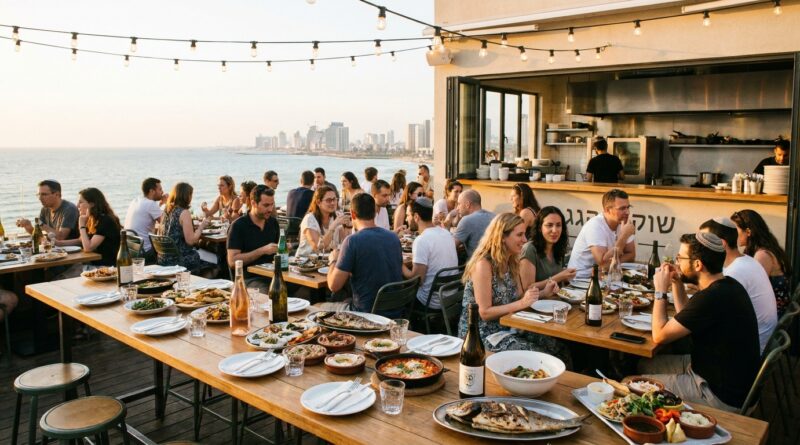
Israel’s New Rooftop Restaurant Wave: The Sky‑High Tel Aviv And Jerusalem Kitchens Everyone’s Booking First
You land in Tel Aviv or Jerusalem ready for that one big dinner, and suddenly every place you saved is either booked out, aimed at influencers, or feels like a hotel dining room trying very hard to seem exciting. It is frustrating, especially when everyone keeps saying Israel’s food scene is having a moment. The good news is that the best new rooftop restaurants in Israel are finally giving travelers and locals something better. Real cooking, real atmosphere, and views that actually earn the price of the meal. Right now the smartest move is to skip the old “best restaurant” lists and focus on the newer rooftop wave. These are the places people are booking first because they feel current without being stiff. Think Tel Aviv terraces high above the traffic, Jerusalem dining rooms looking toward the stone skyline, and menus that feel rooted here instead of copied from anywhere else. If you want one memorable meal, start with the rooftops.
⚡ In a Hurry? Key Takeaways
- The best new rooftop restaurants in Israel right now are in Tel Aviv and Jerusalem, where strong kitchens finally match the views.
- Book sunset slots at least several days ahead, and if dinner is gone, try a late lunch or first seating for the same skyline with less stress.
- Do not assume “rooftop” means tourist trap. The strongest new spots are worth it when the food is chef-led, the menu is short, and the view is part of the experience.
Why rooftops are suddenly the hottest tables
For years, rooftop dining in Israel often meant one of two things. A great view with forgettable food, or a fancy room that charged for altitude. That is changing.
The new wave feels more serious. Operators have figured out that a view alone does not carry a restaurant for long, especially in Tel Aviv, where diners get bored fast. So the latest openings are putting proper chefs in charge, tightening menus, and treating the roof as part of the meal, not the whole pitch.
That matters if you are visiting for a short trip. You do not have time for a “nice enough” dinner. You want the place that feels like Israel right now.
Tel Aviv’s rooftop mood right now
Tel Aviv is doing rooftops in a way that fits the city. Less white-tablecloth ceremony. More confidence. More glass, music, city lights, and plates built for sharing.
What to look for in a Tel Aviv rooftop
The best bets usually have three things. First, a compact menu with a point of view. Second, a room that works before and after sunset. Third, staff who understand that people came for both dinner and the skyline.
If the menu is too huge, that is usually a warning sign. If every table is taking photos but no one seems excited about the food, also a warning sign.
Look for places leaning into local seafood, grilled vegetables, good breads, sharp salads, and smart cocktails. Tel Aviv rooftops are at their best when the meal feels relaxed but still polished.
Who should book Tel Aviv first
If your trip is built around energy, nightlife, and that feeling of being inside the city instead of just looking at it, Tel Aviv should be your first rooftop reservation. These are the dinners that start with golden-hour views and end with “should we stay for one more drink?”
And if you have also been eyeing stylish hotel dining rooms, it is worth reading Israel’s New Hotel-Restaurant Wave: The Lobby Kitchens Quietly Becoming Tel Aviv’s Best New Tables. It pairs nicely with this rooftop trend because many of the city’s strongest new food ideas are popping up in hotels, not just stand-alone chef spots.
Jerusalem’s rooftop comeback is different
Jerusalem rooftops hit differently. The city does not need to manufacture drama. The stone does that for free.
What is new is that some of the latest openings are finally giving Jerusalem the kind of food that can stand next to the setting. Not heavy banquet food. Not generic tourist menus. Actual cooking with restraint and personality.
What makes a Jerusalem rooftop worth it
In Jerusalem, the view is often broader and more emotional. You are not just looking at towers and traffic. You are looking at layers of history, old walls, church spires, domes, and neighborhoods climbing over hills.
That means the strongest rooftop restaurants here tend to work best when they do not overcomplicate things. A focused menu. Good wine. A dining room that lets the city breathe around you. If a just-opened spot near the Old City or above central Jerusalem gets this balance right, it can become the hardest reservation in town almost overnight.
Who should choose Jerusalem over Tel Aviv
If you want your big dinner to feel reflective, romantic, or a little cinematic, Jerusalem may give you more. Tel Aviv is buzz. Jerusalem is atmosphere.
For couples, multigenerational family trips, and travelers trying to fit one truly memorable evening into a packed schedule, a Jerusalem rooftop can be the smarter pick.
How to tell if a rooftop is actually good, not just photogenic
This is where people waste money. A lot of places look wonderful online. Fewer deliver once the plates hit the table.
Green flags
Short seasonal menus are a good sign. So is a kitchen known for one or two standout categories, like live-fire dishes, fresh fish, or smart takes on local produce.
Another green flag is a crowd that mixes tourists and locals. If it is only visitors, the place may be surviving on view alone. If locals are booking birthdays, dates, and business dinners there, pay attention.
Red flags
Huge all-day menus. Overdecorated plates. Loud music early in the evening when people are clearly trying to eat. “Panoramic experience” language with almost no talk about the chef or ingredients.
And yes, if the dessert list feels like an afterthought, that can tell you a lot about the rest of the operation.
Best booking strategy for Sukkot and fall trips
This season is tricky because everyone has the same idea. The weather is better. The holidays bring movement. People want that outdoor feeling before winter shows up.
Book the time, not just the place
If your dream slot is gone, do not give up on the restaurant. Try the first dinner seating or a late lunch. Rooftops can be just as beautiful in that softer late-afternoon light, and the room is often calmer.
Call after checking online
Reservation apps do not always show every table. Hotels in particular sometimes hold inventory for guests, concierges, or direct bookings. A quick call can work surprisingly well, especially if you are flexible.
Ask for the exact seating area
Not every “rooftop” table gets the money view. Some are tucked inside or near a wall. When you book, ask plainly whether your table is outdoors, terrace-side, or view-facing. It is not rude. It is practical.
What kind of meal to expect
The best new rooftop restaurants in Israel are not all doing the same thing, which is part of the appeal.
Some lean Mediterranean and polished, with crudos, grilled fish, bright herbs, and excellent cocktails. Some go richer and more celebratory, with meat, larger sharing plates, and a louder room. Jerusalem tends to skew a little more composed. Tel Aviv often feels more freewheeling.
The sweet spot is when the menu still feels local. You want ingredients, flavors, and pacing that make sense here. Not a generic “global” menu that could be anywhere from Dubai to Miami.
Price reality: worth it or overhyped?
Let’s be honest. Rooftops are rarely cheap. You are paying for space, view, and demand.
But there is a difference between expensive and overpriced. If the service is sharp, the kitchen is awake, and the setting gives you a real sense of place, the right rooftop can absolutely earn its bill. Especially if it becomes your one standout meal of the trip.
If budget matters, go lighter. Share starters, choose one main per person, and skip the instinct to order too much just because the room feels special. Often the smartest rooftop dinner is edited, not huge.
Best fit by traveler type
For first-time visitors
Choose the rooftop that gives you the clearest sense of city. In Tel Aviv, that means urban energy. In Jerusalem, that means stone skyline and atmosphere.
For food-first travelers
Prioritize chef pedigree and menu focus over height. The roof is a bonus. The kitchen is the deal.
For romance
Jerusalem often wins on mood. Tel Aviv wins on fun.
For groups
Tel Aviv is usually easier for shared plates, cocktails, and a more relaxed noise level for celebrations.
At a Glance: Comparison
| Feature/Aspect | Details | Verdict |
|---|---|---|
| Tel Aviv rooftops | Modern towers, lively crowd, shareable menus, cocktails, strong sunset-to-night energy | Best for buzz, nightlife, and a current-city feel |
| Jerusalem rooftops | Stone skyline views, calmer pace, romantic mood, better fit for one meaningful evening | Best for atmosphere, romance, and memorable scenery |
| Booking strategy | Reserve early, ask for terrace seating, consider late lunch or first seating if dinner is full | Best way to beat packed calendars and avoid disappointing tables |
Conclusion
If you have been burned before by overhyped “must-book” places, this rooftop wave is a useful reset. The best new rooftop restaurants in Israel are not just selling altitude. They are giving diners a real sense of where Israeli dining is headed, with stronger kitchens, sharper identities, and views that actually add something to the meal. That makes them especially useful right now, when visitors are planning last-minute Sukkot and fall trips and locals want fresh ideas that feel special without feeling stiff. Whether you go for a glassy Tel Aviv terrace or a just-opened Jerusalem dining room above the city walls, the goal is simple. Book now, book smart, and get there before the tour groups and impossible reservation lists take over.