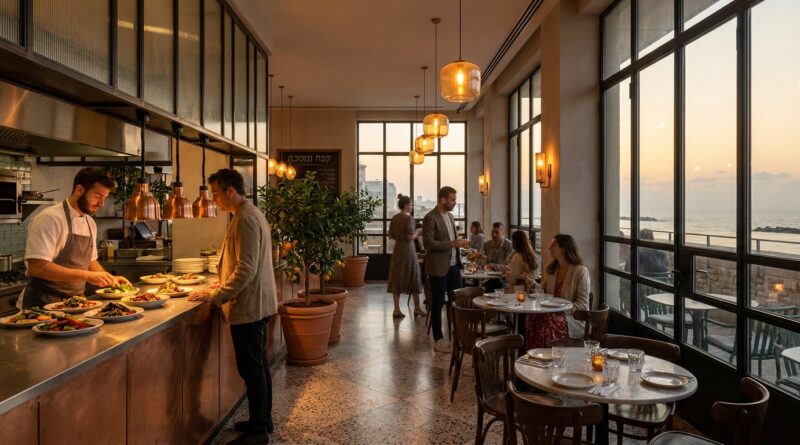
Israel’s New Hotel-Restaurant Wave: The Lobby Kitchens Quietly Becoming Tel Aviv’s Best New Tables
You know the routine. A new chef spot opens in Tel Aviv, everyone posts the same two perfect dishes, and by the time you remember to book, the next available table is three Thursdays from now at 9:45 p.m. It is frustrating, especially when you want somewhere fresh, good, and not impossible. At the same time, you keep walking past stylish hotel lobbies and rooftops, assuming the food is still stuck in the old model of limp breakfasts and forgettable room-service pasta. That assumption is now badly out of date. Some of the most interesting new hotel restaurants Tel Aviv 2026 has to offer are hiding in plain sight, inside boutique hotels, beach hotels, and design-forward city stays. These are not backup plans anymore. In many cases, they are the smart plan. If you want a table this week, a strong kitchen, and a room that feels alive, hotel dining is quietly becoming one of Israel’s best restaurant bets.
⚡ In a Hurry? Key Takeaways
- Many of the most exciting new hotel restaurants in Tel Aviv and along the coast now compete directly with standalone chef restaurants.
- For last-minute bookings, check boutique hotels, rooftops, and lobby restaurants first, especially on weeknights and late lunches.
- You often get better access, longer opening hours, and more flexible menus without paying tasting-menu prices.
Why this is happening now
Hotel dining in Israel used to mean two extremes. Either a breakfast buffet for guests or a fancy restaurant that felt aimed at business travelers. The new wave is different.
Hotels have worked out something restaurants already knew. People want places they can actually use. Breakfast, lunch, early dinner, drinks at 10, a decent snack after a show, a proper coffee in the afternoon. Not every meal needs to be a big-ticket event.
That shift is especially visible in Tel Aviv, Jaffa, Herzliya, and parts of Jerusalem. Boutique and lifestyle hotels are using food to define their identity. Instead of treating the restaurant as an amenity, they are building the hotel around it. Sometimes the chef comes first, and the rooms are almost the supporting act.
For diners, that means more choice and less stress. You do not need to stalk reservation apps like concert tickets. You just need to start looking where food roundups often do not.
What makes the new hotel restaurants different
They are built for repeat visits, not just hype
A lot of buzzy places are designed around the launch moment. There is a headline chef, a short list of dramatic dishes, and a room full of people trying to get the same photo. That can be fun once. It is less useful when you simply want a very good dinner next Tuesday.
Hotel restaurants have a different job. They need to work all day, all week, for guests and locals. So the best ones are building menus with range. A strong breakfast. A lunch people in the neighborhood would actually choose. A dinner menu with a few polished signatures, but also dishes that do not feel overworked.
The rooms are often better than standalone restaurants
Hotels already invest in lighting, seating, acoustics, and flow because guests notice those things fast. So the dining rooms often feel more comfortable right away. You get proper spacing, nicer bathrooms, better air-conditioning, and a bar area where waiting for your table does not feel like punishment.
That may sound minor. It is not. A good meal lands better when you are not shouting across a cramped room.
They can take more booking pressure
Standalone hotspots usually have limited covers, short service windows, and one main revenue stream. Hotel restaurants have more flexibility. They may have indoor and outdoor seating, a lobby spillover area, rooftop space, or a bar menu that lets you eat well without locking in a full formal reservation.
That does not mean they are empty. It means they are often possible.
How to spot a serious hotel restaurant
Not every hotel kitchen is suddenly a hidden gem. Some still are exactly what you fear. The trick is knowing what signals matter.
Look at who is eating there
If the room is filled only with hotel guests dragging rolling suitcases, lower your expectations. If you see local couples, nearby office people at lunch, and Tel Aviv regulars at the bar, that is a much better sign.
Check whether the menu works beyond breakfast
A serious operation will have a clear identity at lunch and dinner, not just shakshuka in the morning and confusion after 6 p.m. Look for menus that show confidence. Seasonal vegetables, seafood handled simply, a short but thoughtful wine list, strong desserts, and dishes that sound like they belong together.
See if the chef is being named
When a hotel is proud of the kitchen, it usually says so. You will often see a chef partnership, a known hospitality group, or a concept that has been developed with real care. That does not guarantee greatness, but it tells you the food is part of the plan, not an afterthought.
Pay attention to opening hours
This is one of the best clues. The strongest hotel restaurants are often open in the awkward windows where other good places are closed. Late lunch. Mid-afternoon drinks with real food. Sunday dinner. That flexibility is part of their appeal.
Why Tel Aviv diners should care
If you live in Tel Aviv, this trend solves a very practical problem. The city’s most talked-about tables can be hard to book, expensive, or both. Hotel restaurants give you another lane.
They are especially useful when:
- You need a same-week reservation for people who care about food.
- You want somewhere polished but not stiff.
- You are meeting visitors and do not want to gamble on a noisy, overhyped room.
- You want a place that can handle cocktails, dinner, and maybe one more round without moving on.
If you have been tracking the city’s impossible reservation culture, the pattern will sound familiar. It is the same frenzy behind temporary food events too. That is why pieces like Israel’s New Sukkot Pop‑Up Kitchens: The One‑Night Festival Feasts Tel Aviv Food Nerds Are Chasing Right Now hit a nerve. The demand is real. What is changing now is that hotel restaurants are becoming the calmer, more reliable answer.
Why travelers should care too
If you are visiting Israel, this matters even more. Travelers often waste their first few meals on convenience. They eat where they sleep because they are tired, then assume that means settling.
That is no longer a bad bet if you choose carefully. Some of the best new hotel restaurants Tel Aviv 2026 visitors will find are in exactly the places they were already considering for a stay. You can land, check in, and still eat somewhere genuinely interesting without spending your first night decoding neighborhood restaurant politics.
There is also a simple time benefit. Good hotel restaurants understand guest timing. They are more likely to serve dinner at hours that make sense for people arriving from the airport or coming back from the beach. They are often better at allergies, breakfast quality, and solo dining too.
What kinds of hotel dining rooms are winning right now
Lobby restaurants that feel like neighborhood brasseries
These are probably the biggest surprise. The best ones do not feel like lobbies in the old sense. They feel like busy all-day city restaurants with better chairs and nicer lamps. You can drop in for coffee, have a long lunch, then come back for dinner and wine.
Rooftop spots that are finally taking the food seriously
For years, plenty of rooftops relied on the view and forgot the plate. That is changing. The better rooftops now treat the kitchen as half the reason to go. If the menu looks as considered as the cocktail list, you may have found one of the city’s smartest bookings.
Coastal hotel restaurants with simpler, stronger cooking
Along the coast, especially in places that want both locals and weekend guests, there is a move toward cleaner, more relaxed menus. Fish, grilled vegetables, fresh breads, bright salads, and desserts that do not try too hard. It is not showy, but it can be exactly what people want.
How to book smarter
Use the hotel website, not just restaurant apps
Some hotel restaurants release only part of their inventory to outside booking platforms. The hotel’s own booking page, concierge desk, or direct phone line may show more availability.
Try lunch or early dinner first
If you are testing a new place, lunch is often the easiest point of entry. You get the room, the service, and the kitchen style with less pressure and usually a lower bill. Early dinners can be easier to book too, especially in hotels where guests tend to eat later.
Ask about bar seating and lounge menus
This is one of the most overlooked tricks. A full dining room does not always mean you are out of luck. Many hotel restaurants keep seats for the bar or lobby lounge, and the food can be nearly identical.
Watch the midweek windows
Tuesday and Wednesday lunches, Sunday evenings, and late weeknight sittings are often the sweet spot. You avoid the hardest reservation rush and still get the full experience.
What to watch out for
There are a few traps.
Do not confuse design with quality
A beautiful lobby is not proof of a good kitchen. Read the menu. See if the dishes sound current and specific, not generic and padded.
Check whether locals mention the food, not just the vibe
If every review talks about the music, the crowd, and the “scene,” be careful. You want comments about what people actually ate.
Look for consistency, not fireworks
The best hotel restaurants are often less about one famous dish and more about getting many things right. Bread service. Coffee. A fish course. A dessert. Service that stays calm when the room fills up. That kind of consistency matters.
At a Glance: Comparison
| Feature/Aspect | Details | Verdict |
|---|---|---|
| Reservation access | Hotel restaurants often have more flexible inventory, bar seating, and all-day service windows than standalone hotspots. | Best bet for last-minute tables |
| Food ambition | The strongest new hotel restaurants now hire serious chefs and build menus for locals, not just guests. | Often much better than people expect |
| Overall value | You usually get a polished room, broader hours, and easier logistics without the stress of ultra-hyped dining. | Smart choice for locals and travelers |
Conclusion
The old joke about hotel food is wearing out fast. Right now, some of Israel’s most interesting dining rooms are opening behind reception desks, beside courtyards, and on rooftops attached to boutique stays that many diners still overlook. That is why this shift matters. A growing number of ambitious kitchens are opening inside hotels in Tel Aviv and along the coast, yet they barely show up in the usual new-restaurant roundups. If you start treating these lobby and rooftop spots as real restaurants, not emergency backups, you open up better odds of getting a table, finding under-the-radar chefs, and eating well without joining the city’s hardest reservation race. For locals, it is a smarter way to dine right now. For travelers, it can turn convenience into an actual discovery. And for Israel’s hospitality scene, it is a hopeful sign that rebuilding can be practical, stylish, and genuinely delicious.