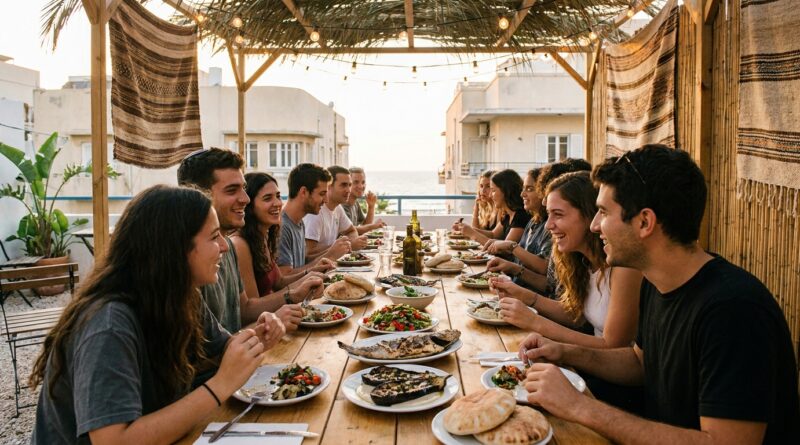
Israel’s New Sukkot Pop‑Up Kitchens: The One‑Night Festival Feasts Tel Aviv Food Nerds Are Chasing Right Now
You are not imagining it. Sukkot dinners in Tel Aviv now vanish faster than concert tickets. One chef posts a smoky grill setup in a hotel courtyard, another drops a “one night only” tasting menu in a leafy sukkah, and by the time you tap through stories, the seats are gone and all that is left is food envy. That is the annoying part of Sukkot 2026. The marketing is fast, the windows are tiny, and not every pop-up deserves your holiday night.
Here is the simple filter. The best Sukkot food pop up Tel Aviv 2026 best new restaurants are the ones doing one thing really well. A guest chef with a tight menu. A strong host restaurant with proven service. A location that feels festive without turning dinner into a branding event. If a pop-up has a giant concept, vague menu, and no named chef or clear price, skip it. This week, the smart bookings are chef-led sukkah dinners, hotel courtyard collabs, and small fire-cooking events with short menus and limited covers.
⚡ In a Hurry? Key Takeaways
- Book chef-led Sukkot pop-ups with a short fixed menu and a named team. Those are usually the strongest bets in Tel Aviv this week.
- Use Instagram only as the alert system. Before paying, check menu details, seating style, exact hours, and who is actually cooking.
- If the event feels heavy on branding and light on food details, save your money. Holiday nights are too valuable for pretty but average plates.
Why Sukkot pop-ups are suddenly such a big deal in Tel Aviv
Sukkot used to mean family meals, hotel buffets, and the occasional festive special. In 2026, it has become something bigger. Chefs are using the holiday as a live test kitchen. Restaurants that cannot or do not want to launch a full new concept are trying dishes in temporary sukkot. Hotels are opening courtyards to guest cooks. Food people are building one-off spaces that last a night or two, then disappear.
That makes Sukkot one of the most exciting weeks on the local food calendar. It also makes it messy. The signal-to-noise ratio is rough. For every genuinely fun holiday kitchen, there is another event selling string lights, natural wine, and “festival vibes” with food that would not survive a normal Tuesday service.
What is actually worth booking this week
1. Chef residency dinners in real sukkot
These are the best format right now. A known chef takes over a small sukkah, usually attached to a restaurant, boutique hotel, or private courtyard. The menu is fixed. The covers are limited. The mood is intimate. That usually means the kitchen can focus.
What to look for:
- A named chef with a style you already trust
- A menu with 5 to 8 dishes, not a giant holiday spread
- Specific seating times
- Clear ticket or deposit terms
Why these work: less chaos, tighter food, and a better chance that the meal feels special instead of improvised.
2. Hotel courtyard collaborations
This is where a lot of the action is. Hotels have the space, the decor, and enough staff to support a pop-up without the whole thing falling apart. The good versions pair that infrastructure with an outside chef or rising restaurant team.
These are especially worth it if you want a festive setting without gambling on amateur service. You are paying a little more for comfort, but you are also less likely to spend your evening waiting 40 minutes for a main course.
Best use case: dinner with out-of-town family, date night, or a group that wants atmosphere but still cares about food quality.
3. Fire-cooking and grill-focused one-nighters
Sukkot and open-fire cooking make sense together. Smoke, skewers, shared plates, pita, seasonal vegetables, and late-night energy. When these events are run by chefs who know live-fire cooking, they can be excellent.
When they are not, you get expensive kebab with better lighting.
The giveaway is the menu. If the event talks about wood, coals, and ancient harvest traditions but never tells you what is being grilled, be careful. A serious grill pop-up will tell you the cuts, the fish, the produce, and at least a few key dishes.
How to tell if a Sukkot pop-up is great or just good at Instagram
The green flags
- The chef is named. You should know who is cooking.
- The menu is visible. Even a partial menu helps.
- The price is posted. No mystery DM games.
- The host venue has a track record. A real restaurant or hotel gives the event a backbone.
- There are limited covers. Scarcity can be fake, but small seating often means better execution.
The red flags
- Vibes-first marketing. Lots of candles and no actual food details.
- Huge menus. Temporary kitchens usually do better with focus.
- No mention of service style. Sit-down, sharing, standing, self-pickup? It matters.
- Unclear location setup. “Secret Tel Aviv sukkah” sounds fun until you learn the chairs are plastic and the toilets are not nearby.
- Hard-sell influencer push. If every post says “insane” and nobody mentions taste, portions, or pacing, pause.
The bookings most food nerds are chasing
The events getting the most serious attention this week tend to share the same formula. A chef with some buzz but not too much overexposure. A temporary holiday setting that feels warm, not gimmicky. A menu that sounds like a restaurant testing its next chapter, not a caterer dressing up a buffet.
If you are choosing between three hot tickets, pick the one with the narrowest concept. Counterintuitive, but true. “Seafood and citrus in a 20-seat sukkah” is usually a better bet than “a festive journey through Middle Eastern harvest traditions.” One is a dinner. The other is copywriting.
How to book before everything disappears
Use Instagram for discovery, not for trust
Instagram is where you will find these events first. Fine. But do not stop there. Go from story to profile to booking page. Confirm date, time, menu, cancellation terms, and whether the posted dishes are examples or the actual lineup.
Turn on alerts for the right accounts
Do not follow every food account in Israel. That gets noisy fast. Follow:
- A few chefs you already like
- Tel Aviv boutique hotels with active food programs
- Restaurants known for collaborations
- Two or three reliable local food scouts, not twenty
Book the second seating if you care more about food than clout
Early seatings fill first because people want the perfect story shot. The second seating can be the sweet spot. The kitchen has found its rhythm. The room feels looser. You still get the menu, but with less opening-night stiffness.
Go on weekdays if you can
During Sukkot, Sunday through Tuesday often gives you the best balance of energy and kitchen focus. Peak holiday nights can be fun, but they can also be the most rushed and overbooked.
How much should you spend?
For a genuinely strong Sukkot pop-up in Tel Aviv, expect pricing to land around the upper casual to premium range, especially if wine pairing or cocktails are involved. That does not automatically mean it is overpriced. Temporary kitchens have real costs. Small guest counts, custom setup, extra staffing, and one-off sourcing all add up.
Still, value matters. Ask yourself three things:
- Is the chef someone I would book in a normal restaurant?
- Does the setting add something real to the meal?
- Is the menu doing more than holiday branding?
If the answer is no to two of those, skip it.
Best picks by diner type
For serious food people
Choose the smallest chef residency with the tightest menu. You are there to eat, not to collect content.
For a date night
Pick a hotel courtyard collaboration. It gives you atmosphere, smoother service, and less chance of logistical weirdness.
For visitors in town only a few days
Go for the event hosted by an established restaurant team. You want the holiday magic, but you also want reliability.
For groups
Shared fire-cooking menus work well, but only if the event has assigned seating and a proper reservation system. Otherwise group dinners can turn into standing-room chaos.
One smart rule: do not confuse “new” with “better”
Some of the most exciting Sukkot meals are coming from chefs testing future restaurant ideas. That is fun. But not every prototype is polished. If an event sounds like a work in progress, treat it like one. Go if you enjoy being part of an experiment. Skip it if your holiday dinner needs to be flawless.
That is the real trick this year. You are not just choosing a restaurant. You are choosing what kind of risk you want. Safe and festive. Adventurous and maybe brilliant. Or overhyped and forgettable.
At a Glance: Comparison
| Feature/Aspect | Details | Verdict |
|---|---|---|
| Chef residency in a sukkah | Small guest count, fixed menu, clear culinary point of view, usually best for focused cooking | Best overall choice for food lovers |
| Hotel courtyard collaboration | Stronger logistics, polished setting, easier booking, often a bit pricier | Best for reliability and date nights |
| Fire-cooking one-night event | Can be thrilling if chef-led, but quality swings more depending on execution | Worth it only with a clear menu and a proven team |
Conclusion
Sukkot in Tel Aviv is no longer just a holiday meal. It is a short, intense dining season, and some of the most exciting food in Israel right now is happening in spaces that may be gone tomorrow. That is exactly why a little filtering helps. If you focus on named chefs, tight menus, proven hosts, and clear booking details, you can skip the hype traps and land the dinners people will still be talking about after the sukkot come down. For the IsraRest community, that means fewer wasted nights and more chances to catch the best new cooking in hotel courtyards, festival sukkot, and one-off street builds before everyone defaults back to the usual buffet.