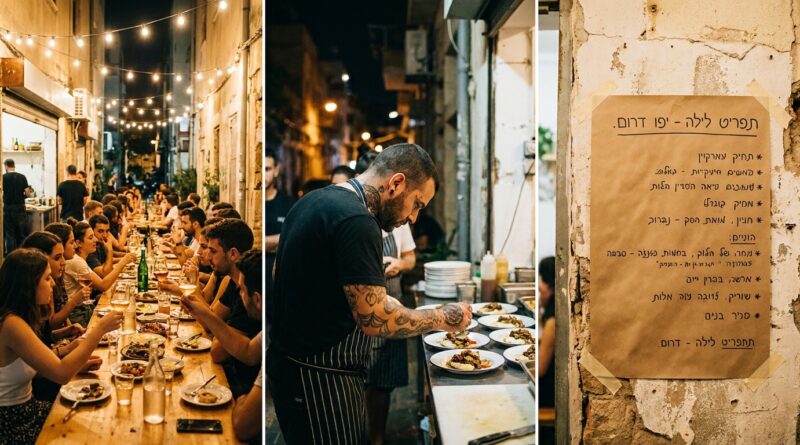
Israel’s New Pop‑Up Dinner Wave: The One‑Night‑Only Kitchens Quietly Becoming The Country’s Hottest ‘Restaurants’
You see the photos the next morning. A candlelit counter in Jaffa. A guest chef grilling over coals in Jerusalem. A tiny tasting menu hidden inside a wine bar for one night only. And somehow, once again, you missed it. If you feel like Israel’s best meals are happening in secret, you are not imagining things. The country’s most exciting dining scene right now is often not in permanent restaurants at all. It is in pop ups, short residencies, market takeovers and one-off collaborations that appear fast and disappear even faster.
The good news is that this is not just luck or insider access. If you know where to look, who to follow and how to book quickly, you can stop hearing about these dinners after the fact. For anyone searching for pop up restaurants Tel Aviv, or trying to catch the same energy in Jerusalem, Haifa or the shuk after dark, the trick is building a simple system before the next invite-only looking post hits your feed.
⚡ In a Hurry? Key Takeaways
- Israel’s hottest meals right now are often pop-ups in bars, galleries, markets and private event spaces, not standard restaurants.
- Follow chefs, small wine bars, natural wine shops and market vendors directly on Instagram, then turn on notifications and book the second dates go live.
- Always check cancellation terms, exact location, kosher or dietary details, and whether service is communal seating before paying.
Why these one-night dinners are suddenly such a big deal
Part of it is money. Opening a full restaurant in Israel is expensive. Rent is high. Staffing is hard. Ingredient costs move around. A pop-up gives a young chef a way to test an idea without signing a long lease or building a whole dining room from scratch.
Part of it is freedom. In a one-night format, chefs can cook more personally. They can go seasonal, weird, playful or highly specific. Maybe it is a Galilee menu paired with orange wine. Maybe it is one shuk stall doing seafood after the market closes. Maybe it is a pastry chef taking over a cocktail bar for a late-night dessert service.
And part of it is simple timing. Diners are hungry for something less polished and more alive. The same shift is happening in sweets too. If you have noticed how tiny dessert spots have become destination dining, it is worth reading Israel’s New Gelato Wave: The Tel Aviv Ice Cream Counters Quietly Becoming the City’s Busiest ‘Restaurants’. The point is the same. The most interesting food is not always where the old guidebooks tell you to look.
What counts as a pop-up in Israel right now
Chef residencies
These usually run for a few nights or a weekend. A chef takes over a bar, café or wine spot and serves a short menu. This is common in south Tel Aviv, Florentin, Jaffa and around Jerusalem’s more creative nightlife areas.
One-night collaborations
Think two names joining forces. A baker and a chef. A grill specialist and a wine bar. A market fish counter and a guest cook. These are often the fastest to sell out because they feel special and probably will not happen the same way again.
Holiday and festival pop-ups
Sukkot, summer port events, food fairs and design festivals often bring temporary kitchens with real talent behind them. These can be easier to access because there is a bigger public-facing event around them.
After-dark market dining
This is one of the best formats in the country. A normal daytime stall shifts gears at night and turns into a mini tasting counter. Mahane Yehuda in Jerusalem and markets around Tel Aviv are especially good for this.
Why big food sites often miss them
Because they move too fast. By the time a traditional publication assigns a writer, confirms details, edits the piece and publishes it, the dinner may already be over. That is why you need to treat pop up restaurants Tel Aviv like live events, not like regular restaurant openings.
The useful information is rarely in one polished article. It is spread across Instagram Stories, reservation links, chef reposts, WhatsApp groups and a comment that says, “second seating just added.” Not glamorous, but very real.
How to actually find pop up restaurants Tel Aviv before they sell out
1. Follow chefs, not just restaurants
This is the biggest shift. Permanent restaurants post regular service. Pop-ups are often announced first on a chef’s personal account. Follow chefs you already like, then watch who they cook with, tag and repost.
If a chef does a residency at a wine bar, follow both accounts. Then follow the sommelier, pastry chef or producer attached to that event. One good pop-up can lead you to ten more.
2. Turn on notifications for small venues
Do not just follow famous dining rooms. Follow neighborhood wine bars, bottle shops, cocktail bars, galleries with kitchens, boutique hotels and market counters. These smaller places are exactly where pop-ups happen.
Notifications matter because Stories disappear, and posts are often shared only once. If you wait to “check later,” the reservation link may be gone.
3. Watch reservation platforms at odd hours
Some events go live late at night. Some drop during work hours. Some are posted first as a Story with a link sticker. If a chef says tickets go on sale “tomorrow,” check in the morning, at lunch and again in the evening. It sounds silly, but that habit works.
4. Join local food circles
WhatsApp groups, Telegram chats, neighborhood Facebook groups and local foodie pages still matter. Not everything starts on glossy Instagram accounts. Sometimes the first useful tip is just one person saying, “Chef X is doing a guest dinner in Levinsky next Thursday.”
5. Look for patterns, not just one event
If a certain venue hosts one strong guest chef, that venue will likely do it again. Same with wine bars that care about food, creative hotels, and market stalls trying nighttime service. Once you spot a pattern, you stop starting from zero every week.
How to book before everyone else
Be ready to pay immediately
Many of these dinners are prepaid. If you need twenty minutes to decide, you may lose your seat. Keep your payment details saved and read the basics fast.
Go for the less obvious seating
Early seatings, late seatings and weekday dates often last longer than the prime slot. If the event runs two or three nights, the first announced night may fill first while the added date stays open a bit longer.
Book first, organize later
This is one case where overplanning hurts you. If the event looks right, book your seats, then sort out which friend is joining you. Waiting for a group chat consensus is how you end up staring at “sold out.”
Use the waitlist properly
Plenty of people cancel. Put your name down. Then watch messages closely. A lot of waitlist offers expire quickly, sometimes within an hour.
What to check before you pay
Exact location
“Tel Aviv” can mean a central bar, a hidden courtyard in Jaffa or an industrial spot you will need to taxi to. Make sure you know where you are actually going.
Menu format
Some pop-ups are full tasting menus. Some are à la carte. Some have one fixed communal seating. Others feel more casual. Read the format so your expectations match the experience.
Dietary needs
Do not assume substitutions. A lot of one-night kitchens are working with tight prep and limited staff. Ask early if you need vegetarian, gluten-free or other adjustments.
Cancellation policy
This matters more than people think. Some tickets are nonrefundable. Some can be transferred. Some allow changes only up to a certain date. If you are booking for visitors or a group, check first.
Kosher status
For some diners, this is the first question. For others, it affects who they can invite. Pop-ups vary widely, especially in mixed-use spaces like wine bars and galleries, so do not guess.
Best kinds of places to watch right now
If you want better odds, pay attention to the kinds of venues that lend themselves to temporary dining.
- Natural wine bars in Tel Aviv and Jaffa
- Market stalls with a strong product identity
- Boutique hotels testing chef collaborations
- Art spaces and galleries with event programming
- Independent bakeries doing dinner service after hours
- Seasonal holiday compounds and port events
These places already have atmosphere, a built-in audience and enough flexibility to host something special without becoming a full restaurant.
For travelers, timing is everything
If you are visiting Israel and hoping to catch one of these meals, do not wait until you land. Start following accounts a week or two before your trip. Save a short list of venues and chefs. Be flexible with one evening in your schedule. That one open night can become the best meal of the trip.
Also, remember that many pop-ups are announced in Hebrew first, or with minimal English. Even if you do not read every word, dates, times and booking links are usually easy enough to spot.
For locals, the smart move is to build your own mini radar
You do not need to spend hours hunting. Make a simple list of ten to fifteen accounts. A few chefs. A few small venues. A few trusted food pages. Check them once a day, or just keep notifications on for the most reliable ones. After a month, you will know which names are consistently worth jumping on.
That is how people seem to “always know.” Usually, they are not magical insiders. They just built a better radar.
At a Glance: Comparison
| Feature/Aspect | Details | Verdict |
|---|---|---|
| How to find them | Instagram Stories, chef accounts, small venue pages, WhatsApp groups and direct booking links | Best source is direct follow, not big media coverage |
| Booking strategy | Turn on notifications, act fast, accept off-peak seatings and join waitlists | Speed beats overthinking |
| What to verify | Location, menu style, dietary options, kosher status, refund rules and communal seating setup | Check details before paying so the surprise stays fun |
Conclusion
The reason these meals feel so exciting is also the reason they are easy to miss. They are temporary, lightly advertised and built on word of mouth. But that does not mean they are out of reach. Right now, the most interesting energy in Israel’s dining scene is moving through short residencies, holiday pop-up kitchens, market counters after dark and one-night chef collaborations. Big food sites often cannot keep up, which is exactly why a more practical approach matters. If you follow the right people, keep a close eye on small venues and book quickly when the right dinner appears, you stop being the person who hears about it the next day. You become the person who was there. And along the way, you help the independent chefs and hosts creating some of the country’s most creative food right now.