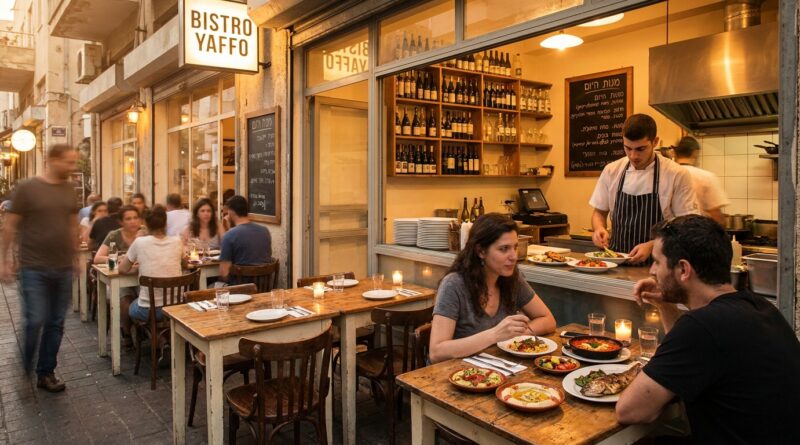
Israel’s New Chef‑Owned Neighborhood Bistros: The Quiet Tel Aviv & Jerusalem Openings You’ll Actually Get Into
You know the routine. A friend sends you the name of the “must-book” new place in Tel Aviv. You get excited, open the reservation page, and the next table is three Thursdays from now at 10:15 p.m. Or you look at a Jerusalem tasting menu and realize dinner will cost more than your hotel. It is frustrating, especially when what you really want is simple. A chef who is actually in the kitchen. Food that feels thoughtful, not staged for Instagram. A room with some buzz, but not so much hype that getting in feels like winning a lottery. The good news is that some of Israel’s most satisfying new meals are happening in smaller chef-owned bistros, not the giant headline spots. These are the openings worth watching if you want a real reservation, a serious plate of food, and a place you can still enjoy this month, not next season.
⚡ In a Hurry? Key Takeaways
- The best new neighborhood bistros in Tel Aviv and Jerusalem 2026 are the smaller chef-run spots where reservations are still realistic and menus feel more personal.
- Book early week, aim for first or second seating, and call directly. Many quieter openings have better availability than the city’s most talked-about dining rooms.
- You often get better value at these places, with lower prices, warmer service, and a stronger chance of meeting the chef or trying dishes that actually reflect the owner’s style.
Why these are the openings that matter
Big launch buzz can be fun. It can also be exhausting. A lot of diners are not chasing a scene. They just want a good night out that does not require planning their lives around a table release.
That is where the new chef-owned neighborhood bistro comes in. These places tend to be smaller, more grounded, and more focused on repeat locals than on splashy opening-week headlines. The food is often sharper because the chef is invested in every plate. The room usually feels lived in faster. And best of all, you still have a fair shot at getting a table.
For readers searching for the best new neighborhood bistros in Tel Aviv and Jerusalem 2026, the sweet spot is clear. Look for restaurants with a concise menu, strong local sourcing, a chef whose name is actually tied to the place, and a location in a real neighborhood rather than a hotel lobby or nightlife circus.
What makes a great neighborhood bistro right now
The chef is present
This sounds obvious, but it matters. In a true chef-owned bistro, the owner is not just posting launch photos. They are tasting sauces, checking the pass, talking to regulars, and shaping the menu week by week. You feel that kind of attention in the food.
The menu is ambitious, but not exhausting
The best places are not trying to do twenty-five things at once. They might offer a tight list of starters, a few smart mains, one or two house signatures, and desserts that feel homemade rather than copied from a trend report.
Prices still feel sane
Not cheap, necessarily. Just sane. There is a difference between paying for talent and paying for hype. A neighborhood bistro should let you have a starter, main, glass of wine, and dessert without feeling like you need a financial recovery plan the next morning.
Tel Aviv’s quieter bistro lane
Tel Aviv still gets most of the national restaurant buzz, but some of the city’s most interesting meals now sit a little outside the obvious center. Think side streets, compact dining rooms, open kitchens, handwritten specials, and wine lists built for drinking, not showing off.
The quieter Tel Aviv openings worth your attention usually share a few traits. They are often in neighborhoods where locals will come back more than once a month. They avoid giant launch menus. They build momentum slowly. And they leave room for walk-ins or last-minute reservations on less obvious nights.
If you are choosing between a famous new hotspot and a 34-seat bistro run by a chef who used to cook in one of the city’s stronger kitchens, the smaller room often wins on actual eating. Better pacing. Better consistency. Less noise. Less pressure to “get” the concept.
Best bets for booking in Tel Aviv
Try Sunday through Tuesday first. That is the easiest move if you want the energy of a good room without peak-week chaos. Ask for counter seating if the restaurant has it. In many small bistros, that is actually the best seat in the house. You see the kitchen, service tends to be fast, and solo diners or couples can often get in sooner.
Jerusalem’s understated new tables
Jerusalem can sometimes feel split between expensive destination dining and older standby institutions. That is why the city’s newer bistro openings are so useful. They fill the middle. They give you somewhere to go when you want a memorable dinner without committing to a formal tasting marathon.
The most promising Jerusalem spots right now tend to mix city produce, strong bread programs, simple grilling, and a lighter touch than the heavy special-occasion restaurants many visitors assume are the only option. There is often more warmth, too. Less theater, more hospitality.
For families, dates, or small groups, these are the places that work. You can order across the menu. You can share. You can come dressed nicely without feeling trapped in a once-a-year dining script.
Best bets for booking in Jerusalem
Watch for restaurants just outside the most tourist-heavy zones. Newer chef-run bistros in residential or mixed local areas often have stronger availability and more stable service. If you are visiting around Shabbat or holidays, do your homework early. And if kosher dining matters for your plans, it is worth reading Israel’s New Kosher Wave: The Tel Aviv And Jerusalem Openings Quietly Making Shabbat Dining Feel Easy Again for a more focused shortlist.
How to spot a place before it becomes impossible to book
This is the trick most regular diners want to learn. You do not need insider status. You just need to know what to watch for.
Look for local repeat traffic
If the same neighborhood crowd keeps showing up, that is a strong sign. It means the restaurant is built for longevity, not just launch-month curiosity.
Check whether the menu changes naturally
A chef-owned place often updates dishes as ingredients shift. That does not mean a full rewrite every day. It means the menu feels alive and connected to what is available and good.
Read between the social posts
If every post is a celebrity face or influencer reel, be careful. If the restaurant is posting a market haul, a new off-menu tart, or tonight’s fish, that usually tells you more about how it actually cooks.
What kind of diner these bistros suit best
These places are ideal if you care more about dinner than about saying you went to the latest impossible reservation. They suit couples planning a date night, friends who want a proper meal without overcommitting, and families who need quality with some flexibility.
They are also useful for travelers who do not want to gamble on a giant-name booking that may not fit their schedule. A smart neighborhood bistro can give you a better night, and with less stress.
The value question matters more than ever
People are watching what they spend. Fair enough. One reason these smaller openings stand out is that they often offer a better value equation. Not bargain dining. Better value.
You are paying for skill, not for a reservation trophy. Wine lists are often more approachable. Portions tend to be more practical. Staff are less likely to push the full expensive experience. You can order what suits the table and leave happy rather than overextended.
How to actually get a table this month
Here is the non-glamorous advice that works.
Call the restaurant
Not every smaller bistro manages inventory the same way online. A quick phone call can reveal counter seats, patio space, or cancellations that never hit the booking platform.
Go early or slightly late
Prime time fills first. A 7:00 p.m. or 9:30 p.m. reservation is often easier than 8:15 p.m., especially in compact rooms.
Be flexible on seating
If you are open to bar seating or a smaller table, your options improve fast. This is especially true in Tel Aviv.
Follow quietly before the crowd arrives
The best moment to book a rising restaurant is when food people know it, but everyone else has not caught up yet. That window is short. Use it.
At a Glance: Comparison
| Feature/Aspect | Details | Verdict |
|---|---|---|
| Reservation difficulty | Neighborhood bistros usually have better short-term availability than headline-grabbing hotspots, especially on weekdays. | Best choice for diners who want a table this month. |
| Price to experience ratio | Chef-run bistros often deliver more personal food and lower total spend than tasting-menu destinations. | Stronger everyday value. |
| Atmosphere | Smaller rooms, regular locals, and owner presence create a warmer, less performative night out. | Better for date night, family dinners, and repeat visits. |
Conclusion
The smartest restaurant move right now is not always the loudest one. These smaller chef-run bistros give you something a lot of big-name openings cannot. A real chance of booking. Food with personality. Prices that still make sense. And the feeling that someone actually cares whether you come back. That is why tracking the best new neighborhood bistros in Tel Aviv and Jerusalem 2026 matters. It helps you find a table during the busy holiday season, supports independent owners cooking with more heart than hype, and gives you a shortlist you can actually use for your next date night or family dinner. That is also what IsraRest does best. Helping you find Israel’s next great tables before everyone else starts talking about them.