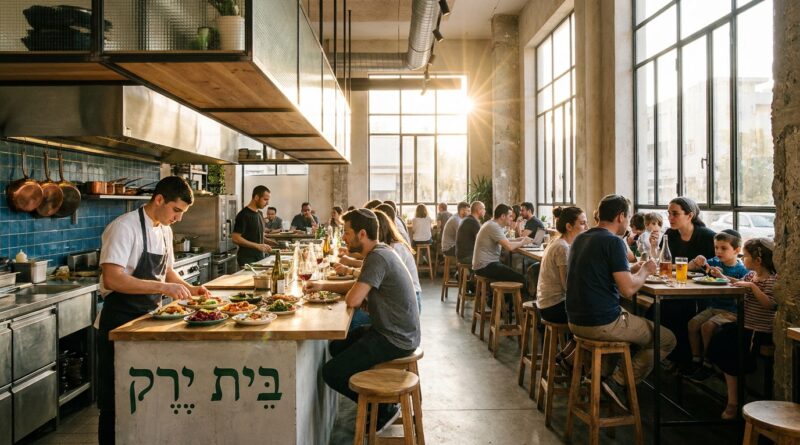
Israel’s New Market-Hall Restaurants: The Fresh Openings Turning Food Courts Into Destination Dining
You know the routine. A friend messages about the hottest new opening in Tel Aviv or Jerusalem, you check reservations, and every decent slot is gone for three weeks. Or worse, the place is already buried under hype, inflated prices, and a room full of people filming their starters. If what you want is new, exciting food without the stress, Israel’s market halls are where the smart money is going right now. Some of the most interesting launches are not giant flagship restaurants at all. They are small counters, chef-led stalls, and focused kitchens opening inside busy urban food halls in Tel Aviv, Jerusalem, and Haifa. That matters because these places are easier to try on a whim, usually cheaper than a full dinner out, and often more creative. Young cooks can take risks there. You get the fun part of discovery, without having to plan your life around a booking app.
⚡ In a Hurry? Key Takeaways
- Some of the best new food hall restaurants in Tel Aviv, Jerusalem, and Haifa are inside markets, not standalone dining rooms.
- Go early evening or late lunch for the best chance of scoring a seat without a reservation.
- These spots usually offer better value, lower commitment, and a real chance to try a young chef before prices and crowds rise.
Why food halls are suddenly the best place to eat something new
The old model was simple. Big-name chef. Big room. Big PR push. Then came the waiting list, the inflated expectations, and the bill that made you recalculate your week.
The new model is smaller and smarter. A chef opens a tight menu inside a market hall. Maybe it is one signature sandwich, a regional pasta, a charcoal grill, or a pastry concept done with real precision. The overhead is lower. The risk is lower. The food can actually be sharper because the menu is so focused.
For diners, that means less ceremony and more eating. You can show up in shorts, split a few dishes with friends, and still feel like you found something fresh before everyone else did.
What to look for in new food hall restaurants Tel Aviv Jerusalem Haifa
Not every market stall is worth a detour. Some are built for speed, not quality. The ones worth your time usually have a few things in common.
A short menu
If a new counter tries to do sushi, pasta, burgers, and cocktails, be suspicious. The best food-hall openings tend to be narrow and confident. One style of cooking. A few dishes. Clear point of view.
A chef or team with something to prove
This is often where younger cooks test ideas before opening a full restaurant. That creates urgency. They need the food to speak for itself, because they do not have linen tablecloths doing the work.
High turnover
Busy market halls can actually be a good sign. Fast turnover means ingredients move quickly and seats open up. You may wait ten minutes, not ten days.
Prices that still feel sane
One of the biggest wins here is value. You can often try food with real ambition at a much lower price than a formal restaurant nearby.
Tel Aviv: where the market-hall format makes the most sense
Tel Aviv has always rewarded casual dining that still takes food seriously. That is why halls and markets fit so naturally here. The city moves fast. People want excellent food, but they do not always want a full evening production.
The best new openings tend to land in places with built-in foot traffic and mixed crowds. Office workers come for lunch. Night owls arrive later. Tourists drift through. Locals return if the food is actually good. That mix keeps energy high and forces consistency.
It also means you can build your own night. Start with a snack at one counter, move to another for something grilled or baked, then finish with wine or dessert somewhere else. That flexibility is a big part of the appeal.
If you are planning a stay and want more easy, high-quality dining beyond the markets, it is worth checking out Israel’s New Hotel Restaurant Boom: The Under‑the‑Radar Hotel Kitchens Serving Some of the Country’s Best Food. It is the same basic idea. Great food hiding in places people used to overlook.
Jerusalem: more relaxed, more layered, often more surprising
Jerusalem does not always get talked about as quickly as Tel Aviv, but that can work in your favor. New food hall and market openings here often feel less overexposed. You are more likely to stumble into something excellent before it turns into a social media pilgrimage.
The city also suits chefs who want to bring together different traditions in a compact format. A small counter can do that beautifully. One dish may pull from North African, Levantine, or Eastern European influences without needing to spell out a grand concept.
That is part of the charm. In a market-hall setting, the food gets to make the argument.
For visitors especially, this is useful. You can eat very well in Jerusalem without locking yourself into formal tasting menus or expensive reservations. A few strong counters in one evening can give you a better sense of the city than one long dinner might.
Haifa: the quiet winner for people who hate hype
Haifa is often where you find the least noise and some of the best payoff. The city’s food scene can be more relaxed, less performative, and friendlier on the wallet. That makes food halls and market-style openings especially appealing here.
When a new counter opens in Haifa, it may not arrive with a PR parade. Good. That gives locals and curious travelers a chance to try it while it still feels real. Prices may be gentler. Crowds may be manageable. The whole experience can feel less like chasing a trend and more like simply eating well.
If your goal is discovery, Haifa deserves a spot on the list. Not everything needs to happen in Tel Aviv first.
How to actually enjoy these places without ending up annoyed
Go at the right time
Peak dinner hours can still get hectic, especially on Thursdays and during holiday periods. If you want a smoother experience, aim for late lunch, early dinner, or a slightly off-hour visit.
Do a quick lap before ordering
This sounds obvious, but people still sit at the first decent-looking counter they see. Walk the hall first. See what is busy. Check what looks freshly made. Notice where locals are ordering seconds.
Share aggressively
Food halls are built for mixing and matching. Do not commit to one giant plate right away. Split dishes. Try two or three places. If one thing disappoints, you are not stuck with it.
Keep expectations realistic
You are not getting silent service and private tables. You are getting immediacy, energy, and access to new cooking. Judge the experience by the right standard.
Why this matters more than another impossible reservation
There is a bigger story here than convenience. These openings matter because they give talented cooks a way in. A market-hall counter lets someone test ideas, build a following, and refine a menu without the crushing costs of a full standalone restaurant.
That is good for diners too. You get access to bold food while it is still fresh, often before consultants, investors, and endless hype rounds smooth out the edges.
It is also just more practical. When the dining scene feels crowded and confusing, people need tonight-ready options. Not another article telling them what to book for October.
At a Glance: Comparison
| Feature/Aspect | Details | Verdict |
|---|---|---|
| Accessibility | Most market-hall openings are walk-in friendly or have shorter waits than headline standalone restaurants. | Best for spontaneous plans |
| Price and value | Focused menus and lower overhead usually mean better prices for serious cooking. | Strong value, especially for trying multiple places |
| Atmosphere | Casual, busy, mixed crowds, little formality, lots of energy. | Ideal if you want great food without the fuss |
Conclusion
If you are tired of chasing overbooked restaurant openings, this is the better move right now. Some of Israel’s most interesting debuts are happening in compact, hyper-focused counters inside urban markets and food halls in Tel Aviv, Jerusalem, and Haifa. They are easier to get into, often easier on your budget, and far more useful when you want a real plan for tonight instead of a fantasy reservation for next month. Just as important, eating at these spots supports young cooks trying bold ideas without the cost and pressure of a white-tablecloth room. In a scene that can feel noisy and overcrowded, these under-the-radar openings cut through the clutter. For locals and travelers alike, they offer the rare thing everyone says they want. Food that feels new, accessible, and still a little undiscovered.