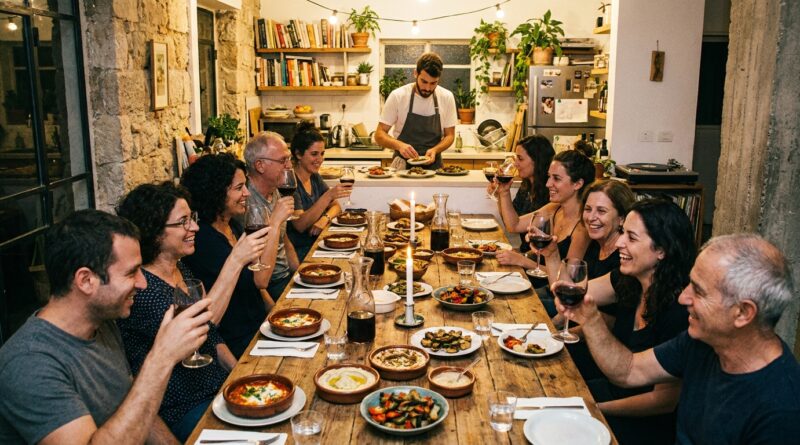
Israel’s New Hidden Home Restaurants: The Invite‑Only Dining Rooms Rewriting ‘Going Out’ in 2026
You know the feeling. You scroll yet another “best restaurants in Israel” list, and somehow it is the same tables, the same chef counters, the same waiting lists. Frustrating, because what many people want now is not another polished launch in Tel Aviv. It is a meal that feels close, specific and alive. That is exactly why Israel’s hidden home restaurants are getting so much attention in 2026. These are tiny, often invite-only dinners run from apartments, rooftops, studios and backyards. A cook tests one menu. A host pours local wine. Six to twelve guests show up, strangers at first, regulars by dessert. The point is not luxury. It is access, personality and the thrill of eating somewhere that still feels undiscovered. If you are searching for new home restaurants Tel Aviv Jerusalem 2026, this is where the real excitement is building, quietly, one shared table at a time.
⚡ In a Hurry? Key Takeaways
- Israel’s most interesting new meals in 2026 are often happening in private homes, lofts and courtyards, not on the usual “hot restaurant” lists.
- Start with Instagram, WhatsApp groups, local wine bars and chef pop-up pages, then message early because many of these dinners have only 6 to 12 seats.
- Always confirm price, dietary fit, address details and cancellation terms before you go, because these are small independent setups with limited room for changes.
Why home restaurants are suddenly such a big deal
Part of it is simple fatigue. People are bored with copy-paste dining rooms and menus designed to photograph well but say very little. Home restaurants feel different because they are different. The cook is right there. The menu changes fast. The room has a story before the first plate lands.
There is also a practical reason. Opening a full restaurant in Israel is expensive and risky. For many cooks, a once-a-week dinner at home is the only realistic way to test an idea without burning through cash. That means diners get first crack at some of the country’s most original food before it gets polished into something bigger.
You can see the same appetite for flexible dining in other parts of the scene too. Tel Aviv diners are already moving toward places that bend old categories and make room for mixed groups, which is why our piece on Israel’s New ‘Kosher-Style’ Hotspots: The Tel Aviv Restaurants Quietly Rewriting the Rules of Eating Out has struck a nerve. Home restaurants take that personal, adaptable feeling even further.
What these hidden dinners actually look like in 2026
Jerusalem apartment suppers
The Jerusalem version often feels intimate and focused. Think six bowls of hand-made ramen from a chef who used to work hotel kitchens and got tired of cooking for 200 people at a time. Or a Friday lunch in a stone apartment where Iraqi kubbeh, pickles and arak come with a half-hour story about the cook’s grandmother.
These are not “restaurant quality” in the usual marketing sense. They are often more personal than that. The food can be narrower, but also sharper.
Tel Aviv loft and studio nights
In Tel Aviv, especially around Levinsky, Florentin and the edges of Jaffa, the format is looser and more experimental. One night might be fire-cooked fish and vegetables in an artist’s loft. Another might be a twelve-seat noodle bar in someone’s living room with one playlist, one menu and no substitutions.
These meals are built for people who care less about seeing and more about finding.
Galilee backyard salons
Up north, the energy is often warmer and slower. A couple opens the garden once a week. Local wine, mezze, bread, maybe a charcoal grill, maybe a long table under string lights. It sounds simple. Often it is. That is part of the charm.
How to find new home restaurants Tel Aviv Jerusalem 2026
This is the part that trips people up. These places are hidden, but not invisible. You just have to stop searching like a tourist and start searching like a local.
Use Instagram properly
Do not just search “best restaurants.” Look for chefs, bakers, natural wine importers, supper clubs and ceramic studios that host dinners. Check Stories, not just grid posts. Many hosts share dates there first because they do not want a flood of random bookings.
Ask wine bars and specialty shops
Staff at good wine bars, coffee counters and ingredient shops often know what is happening before food media does. Ask one clear question: “Any private dinners or small pop-ups this week?” You will get better leads than from most listicles.
Watch for repeat hosts, not viral posts
A viral post means you are already late. A host who has quietly run ten sold-out dinners is the better bet. Look for consistency, real guest photos and comments from people who clearly attended.
Join the right WhatsApp circles
This is where many of the best invites move. Food groups, neighborhood groups, wine communities, even ceramics and design circles. Plenty of these dinners are built through trust and repeat guests, not public marketing.
What to check before you book
Because these are small operations, details matter more than they do at a normal restaurant.
Ask about the format
Is it communal seating? Fixed menu? Family style? Counter service? You do not want to show up expecting a casual drop-in and discover a three-hour tasting with ten strangers.
Confirm dietary needs early
Some hosts can adapt. Some cannot. A six-seat ramen night is probably not making a separate gluten-free menu. Ask politely, ask early, and do not assume.
Check the location details
Some addresses are sent only after payment. That is normal for invite-only dinners. Still, make sure you know the neighborhood, parking situation, accessibility and whether the meal is indoors or outside.
Read the cancellation policy
A regular restaurant can sometimes fill your table. A host cooking for eight people usually cannot. If you cancel last minute, you may lose the full amount. Fair enough, but know it upfront.
Why this trend matters beyond the novelty
The easy way to talk about home restaurants is to treat them like secret entertainment. But there is more going on. These dinners are giving independent cooks a path into the market without huge overhead. They are helping neighborhoods build their own food identity. They are also creating meals that feel rooted in real homes, real backgrounds and real guest conversation.
That matters in a year when so much of the loudest food news is about celebrity names, expansion plans and arguments no ordinary diner can do much about. The quieter story is the more useful one. Small cooks are making room for themselves, and diners are following.
Who should try one, and who might not love it
Perfect for you if
You like talking to the person who cooked your food. You do not mind sharing a table. You enjoy menus that change every week. You want a memory, not just a reservation.
Maybe skip it if
You need a big menu, strict timing, full privacy or lots of last-minute flexibility. Home restaurants can be magical, but they are not built like standard hospitality businesses. That is part of the appeal, and part of the tradeoff.
At a Glance: Comparison
| Feature/Aspect | Details | Verdict |
|---|---|---|
| Atmosphere | Small rooms, shared tables, direct contact with the cook, often 6 to 12 guests only. | Best for diners who want personality and conversation over polish. |
| Booking | Usually via Instagram DM, WhatsApp, repeat guest lists or private links. Dates can vanish fast. | Act early and confirm every detail before sending payment. |
| Value | You are paying for access, originality and intimacy, not a large menu or formal service. | Excellent value if you want something memorable and local. |
Conclusion
If you have already done the obvious bookings, this is the next layer to chase. The big headlines may still be about celebrity chefs and policy fights, but the meals people are quietly texting each other about are much smaller and much more interesting. A ramen chef serving six bowls a night in a Jerusalem apartment. A Levinsky loft where a former line cook is testing fire-driven menus. A Galilee couple turning their backyard into a once-a-week wine-and-mezze salon. Finding this underground layer now gives IsraRest readers first-mover access to some of the most original meals in the country, helps small independent cooks fill their tables, and turns you into the person everyone messages when they land and ask, “Where are Israelis really eating this week?”