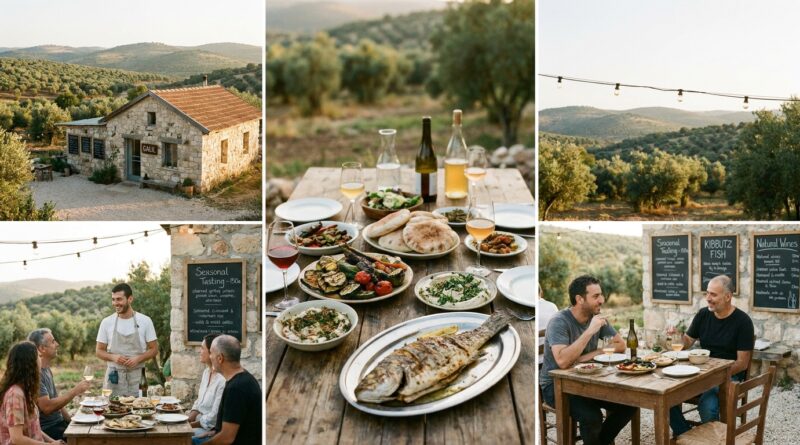
Israel’s New Hyper‑Local Tasting Menus: The Tiny Countryside Kitchens Food Insiders Are Rushing To Book First
If you are tired of scrolling past polished Tel Aviv openings that all seem to serve the same small-plate greatest hits, you are not imagining it. A lot of diners are asking a simple question right now. Where do you go for a meal that actually tastes like a place, not a branding exercise? The most exciting answer in 2026 is not another city dining room. It is the new wave of countryside restaurants in Israel, where chefs are building tiny tasting menus around nearby farms, village bakeries, family wineries, wild herbs and the season in front of them. These are intimate kitchens in the Galilee, Judean Hills and along the coast, often with just a few tables and a much stronger sense of identity. They are also easier to book than the big urban names. If you want an Israeli meal that feels personal, regional and fresh right now, start outside the cities. That is where the real energy is moving.
⚡ In a Hurry? Key Takeaways
- The most interesting new countryside restaurants in Israel 2026 are small, hyper-local kitchens in the Galilee, Judean Hills and coastal villages, not the usual Tel Aviv hot spots.
- Book lunch or early dinner on weekends, pair the meal with a winery or farm stop nearby, and call directly because many of these places still manage reservations personally.
- You usually get better availability, warmer hospitality and stronger value than in the cities, but menus can change daily and some spots have very limited seating.
Why everyone is suddenly looking beyond Tel Aviv
The city is still full of talent. But diners have become good at spotting the difference between a restaurant that looks rooted and one that actually is. That is why the new countryside restaurants in Israel 2026 feel so refreshing.
These places are not trying to copy urban tasting-menu culture with prettier ceramics. They are starting with geography. A chef in the Galilee can pull from orchard fruit, mountain herbs, local lamb, Druze baking traditions and nearby olive oil producers. A kitchen in the Judean Hills might build a whole meal around grapes, stone fruit, goat cheeses and smoke from the grill. Along the coast, the draw is obvious. Fish, sea air, vegetables and a style of cooking that feels lighter in the heat.
The result is food that feels less rehearsed. You notice the land first. The chef second. That is usually a good sign.
What “hyper-local” really means on the plate
This term gets thrown around a lot, so it helps to keep it simple. In the best new rural kitchens, hyper-local usually means three things.
1. The menu changes because the supply changes
You may not get the same dish two weekends in a row. That is not a flaw. It is the point. If the figs are good this week, they show up. If the fisherman landed something better than expected, the menu shifts.
2. The room is small and the service is personal
Many of these restaurants seat only a handful of tables. Some are set in renovated farm buildings, courtyards, winery spaces or village homes. You are not just being served. You are being hosted.
3. Regional identity matters more than trend-chasing
You will still see polished plating and thoughtful wine lists. But the meal tends to feel grounded. Less “concept,” more “this is what tastes right here.”
Where to look first
The Galilee
The north remains the clearest example of this shift. Diners who want a real food trip, not just a single reservation, are heading there for full-day drives that mix a meal with wineries, farm shops and village bakeries. If you are planning a northern route, Israel’s New Galilee Countryside Kitchens: The Post‑Rocket Restaurants Food Lovers Are Quietly Driving North For is a useful place to start. It captures why so many food lovers are quietly getting back in the car and heading north.
What to expect in the Galilee right now? Longer meals. Strong produce. Good local wine. A wider mix of Arab, Druze and Jewish food influences. Also, some of the most memorable breads and spreads you will eat anywhere in the country.
The Judean Hills
If you want a countryside meal without a full northern road trip, the Judean Hills are a smart move. The draw here is the mix of vineyard culture, grill cooking, orchard fruit and cooler evening air. These restaurants work especially well for lazy Saturday lunches that turn into sunset dinners.
Many of the newest spots in this area feel refined without becoming stiff. You can still get a tasting-menu structure, but the atmosphere is often more relaxed than in the city.
Along the coast
The coastal countryside is a little different. Less mountain produce, more sea-driven cooking. The best openings here are not trying to be beach clubs. They are using local fish, simple fire cooking and peak-season vegetables in smaller rooms away from the loudest tourist strips.
If you want an easy weekend meal with less driving, this region offers some of the best odds of a short-notice booking.
How to tell if a countryside opening is genuinely special
Not every rural restaurant is automatically great. Some are simply pretty. Here is the quick test.
Ask what comes from nearby
If the staff can clearly tell you where the vegetables, cheese, wine or fish come from, that is promising. If the answer is vague, the “local” story may be doing more work than the food.
Check how many covers they serve
Tiny tasting-menu places usually do best when they stay small. If a restaurant is presenting itself as intimate but is pushing huge weekend turnover, the experience may feel rushed.
Look for regional confidence
The strongest places are not afraid to be specific. They might build around Galilean herbs, Judean Hills grapes, or a village-style bread service. They do not need to imitate Copenhagen or central Tel Aviv to feel modern.
Why these spots are especially useful this summer
There is a practical side to all this. City reservations are packed. People are competing for the same lists, the same openings and the same social-media-famous seats.
The new countryside restaurants in Israel 2026 solve a real problem. They often still have openings. You can plan a spontaneous weekend. You can bring out-of-town guests somewhere memorable without starting the booking process three weeks early. And you get more than dinner. You get a drive, a view, a slower pace and a sense that the meal belongs to the day.
For a lot of people, that now feels like luxury.
Best strategy for booking and planning
If you want the best shot at a great experience, keep it simple.
Book direct when possible
Many tiny countryside restaurants still handle reservations by phone, WhatsApp or Instagram. That sounds old-school, but it often works better. You can ask about menu style, seating, dietary needs and whether lunch or dinner is the stronger service.
Go for lunch if you are exploring a region
Lunch is ideal for the Galilee and Judean Hills. You can build a day around it, stop at a winery or farm stand and avoid driving home too late.
Stay flexible
If a menu changes at the last minute, that can be a sign of quality, not chaos. Rural sourcing is more fluid by nature.
Do not overdress the occasion
Even when the food is ambitious, the charm of these places is that they rarely feel overly formal. Smart casual is usually enough.
Who will love this trend most
This wave is great for diners who are bored with copy-and-paste city menus, couples planning low-key weekend escapes, local food obsessives who care about sourcing, and visitors who want to understand how Israeli cooking is changing beyond its most famous urban addresses.
It is also good for people who want substance over scene. You may not get the loudest room or the flashiest crowd. You are more likely to get a meal you remember.
At a Glance: Comparison
| Feature/Aspect | Details | Verdict |
|---|---|---|
| Availability | Countryside openings often have better short-notice reservations than major Tel Aviv launches, especially for lunch and early dinner. | Big advantage for spontaneous weekend plans |
| Sense of place | Menus are more likely to reflect nearby farms, village traditions, local wine and seasonal produce from the immediate region. | Best reason to go |
| Overall experience | Smaller rooms, more direct hospitality and a built-in road-trip feel, though menus may be less predictable and seating more limited. | Higher charm, lower standardization |
Conclusion
The smartest restaurant move in Israel right now may be leaving the city behind for a day. While everyone else keeps chasing the same booked-out urban openings, a quieter and more interesting story is taking shape in the Galilee, Judean Hills and along the coast. These new rural kitchens are changing how Israelis eat on weekends. They offer room to breathe, easier bookings, closer contact with the people making your meal and food that carries the flavor of its region in a way city dining often cannot. For the IsraRest community, that matters now. It gives locals a reason to explore beyond the Tel Aviv loop and gives visitors a chance to taste Israeli cooking as it is being reinvented in real time. If you want the freshest answer to where to eat next, start with the countryside.