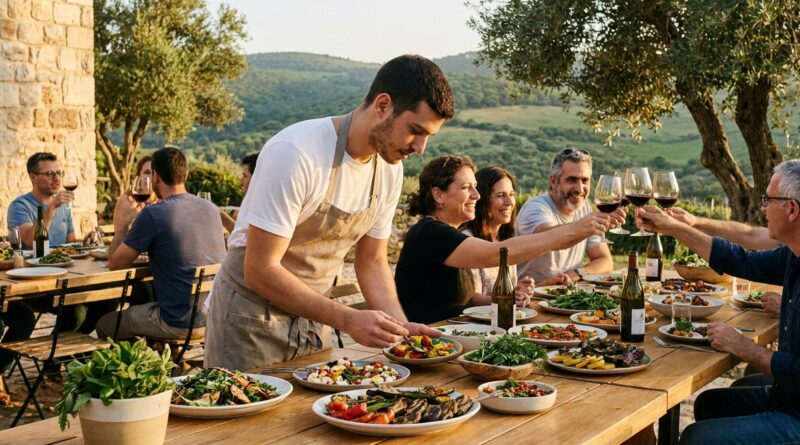
Israel’s New Galilee Countryside Kitchens: The Post‑Rocket Restaurants Food Lovers Are Quietly Driving North For
Trying to plan a food trip to the Galilee right now can feel weirdly harder than booking a table in Tel Aviv. You hear about rockets, road changes, reserve duty, short-notice closures, and then you open English-language “best restaurants” lists that still act like nothing changed since before the war. It is frustrating. You do not want to drive two hours for a place that is shut, half-running, or simply not that good. The good news is that the north is not standing still. Some chefs have reopened in smaller formats. Others have left city kitchens and built countryside restaurants with shorter menus, local produce, and a more personal style of hospitality. If you have already eaten your way through Jerusalem and Tel Aviv, this is where the more interesting story is now. The trick is knowing which places are genuinely new, genuinely operating, and genuinely worth the detour.
⚡ In a Hurry? Key Takeaways
- The best new restaurants Galilee Israel 2026 are mostly small, reservation-led countryside kitchens in the Upper Galilee, western Galilee, and Golan fringe, not big-city style dining rooms.
- Before driving north, check same-day Instagram updates, call directly, and ask two simple questions: “Are you fully open this week?” and “Is the full menu running?”
- Going now has real value. You get some of Israel’s most original food and your booking helps fragile northern communities still rebuilding after months of disruption.
Why food lovers are quietly driving north again
The north has changed. That is exactly why it is interesting.
For years, a lot of coverage treated Galilee dining as a weekend add-on. Nice view, good cheese plate, maybe a winery lunch. That is no longer enough. What is opening now feels more focused. Chefs are cooking closer to the land, closer to the season, and often closer to their own story.
You see more small-format kitchens. More baker-chef hybrids. More places where the meal depends on what came in that morning from nearby farms, fishermen, butchers, and foragers. Some are in moshavim. Some are attached to guesthouses, vineyards, or family homes. Some only serve a few nights a week.
If you have been tracking the wider shift in Israeli dining, it fits a bigger pattern. Tel Aviv still gets the noise, but the real energy is spreading outward. Even Haifa has become part of that conversation, as we noted in Israel’s Next Big Food Story Isn’t in Tel Aviv: Inside the New Haifa Restaurants Stealing the Spotlight. The Galilee takes that shift one step further. Less scene. More substance.
What “new” means in the Galilee in 2026
This needs a quick reality check. In the north, “new” does not always mean a clean-slate opening with a polished PR push.
Right now, it can mean:
- A chef who left a city restaurant and opened a rural tasting room.
- A pre-war spot that reopened with a completely different menu and team.
- A farm kitchen that used to do private events and now accepts public bookings.
- A pop-up that became a regular weekend restaurant.
- A wine bar that added a serious hot-food program and turned into a real destination.
That is why old lists are so unreliable. A place may exist, but not in the way the article describes. It may now be better. Or smaller. Or harder to book. Or only open Thursday to Saturday.
How to tell if a northern restaurant is actually operating right now
This is the part most guides skip, and it is the most important one.
1. Treat social media as the live status board
For many northern restaurants, Instagram is more accurate than Google Maps, Facebook, TripAdvisor, or old travel roundups. Stories often show same-day service, weather changes, special menus, and cancellations.
2. Call, do not just message
If you are making a real journey, call. A short phone conversation tells you a lot. You will quickly hear whether the kitchen is in full rhythm, limited mode, or taking bookings with fingers crossed.
3. Ask the two questions that matter
Ask whether they are fully open this week. Then ask whether the full menu is running. A place can be “open” but operating with half staff, no pastry section, or a reduced wine list.
4. Check the booking window
If the reservation system only opens a few days ahead, that usually means the restaurant is planning week by week. That is not a bad sign. It is just the current reality.
5. Build a backup plan nearby
If you are heading to the Upper Galilee or Golan for one meal, have a second option within 20 to 30 minutes. It removes a lot of stress.
The kinds of new countryside kitchens worth your time
Rather than pretend there is one perfect master list for every weekend, it is smarter to know which formats are performing best right now. These are the ones food lovers are quietly prioritizing.
Chef-run farm restaurants
These are often the strongest bets. Small menu. Clear identity. Produce-driven cooking. Usually best for a slow lunch or Friday meal. Look for places where the chef is physically present and the menu changes often. That usually means the food is alive, not copied from a city concept.
Wood-fire kitchens in village settings
This style is everywhere for a reason. It suits the region. Flatbreads, roasted vegetables, grilled fish, lamb, local cheeses, orchard fruit. When done well, it feels simple and deep at the same time. Great for groups because the menu usually has broad appeal without feeling boring.
Wine estates with serious food programs
Not every winery meal is worth the drive. Some still offer pleasant but forgettable platters. The better new wave pairs strong bottles with chef-led plates that stand on their own. If the kitchen has its own reputation, that is a good sign.
Arab Galilee kitchens with a tighter, modern format
Some of the most exciting meals in the north now come from chefs taking Druze, Arab, Circassian, and broader Levantine traditions and presenting them in a more focused, bookable restaurant setting. Not watered down. Just sharper. These are often the meals you remember longest.
Bakeries that became destination restaurants
Breakfast and brunch in the north can be excellent if you know where to go. A lot of energy has moved into bakery-led spots with serious laminated pastries, sourdough, seasonal plates, and local dairy. If dinner options feel uncertain, these places can save a trip.
What makes a place worth the drive now
Beautiful view is not enough. It never really was, but now especially, you want the drive to count.
A worthwhile new Galilee restaurant in 2026 should usually do at least three of these five things well:
- Use northern produce in a way that feels specific to the place.
- Offer a menu you cannot easily get in Tel Aviv.
- Run a booking system that is clear and responsive.
- Show signs of active local support, not just tourist traffic.
- Create a meal that fits the setting, rather than copying urban fine dining in a field.
That last point matters. The best countryside kitchens are not trying to cosplay as downtown restaurants. They feel calmer, more rooted, and often more generous.
How to plan a real food route without gambling on outdated recommendations
If you want the trip to work, think in clusters.
Western Galilee day
Best for people who want sea air, villages, winery stops, and a mix of Arab and Mediterranean cooking. Easier for a one-day trip. Good if you want lunch plus a bakery stop.
Upper Galilee deep-food day
This is where you go for produce-led chef kitchens, farm hospitality, and meals that feel most removed from the center of the country. Better for people willing to book ahead and build the day around one serious meal.
Golan fringe route
Best for wine, meat, cooler weather, and longer scenic drives. This can be the trickiest zone in terms of short-notice changes, so flexibility matters more here.
A simple formula works well. Pick one anchor restaurant. Add one bakery or coffee stop. Add one winery, deli, or farm shop. Leave breathing room. The north is better when you are not racing.
Common mistakes people make when choosing a northern restaurant
Relying on Google opening hours
Do not do it. They are often wrong, especially after disrupted months.
Booking too many stops
The roads are part of the day. Distances look short on a map, but you do not want every meal to feel like a transfer.
Assuming the fanciest place is the best place
Some of the strongest meals now come from humble-looking spaces with six tables and a short handwritten menu.
Ignoring lunch
Lunch is often the sweet spot in the Galilee. More daylight. Less pressure. Better views. Easier reservations.
Not checking shelter access or local guidance
If the security situation shifts, practical details matter. Ask the restaurant if they have updated instructions for arrivals, parking, or protected spaces. A good restaurant will answer plainly.
Who should go now, and who should wait
Go now if you enjoy flexible travel, can confirm bookings directly, and want to support businesses in the north that genuinely need diners back. You will likely eat very well.
Wait a bit if you need every trip detail locked in a month ahead, dislike uncertainty, or are traveling with a large group that cannot adapt if a place changes service hours.
That is not a knock on the region. It is just the truth. The best trips north right now reward people who plan carefully, then stay a little loose.
How to spot the places locals are actually booking
Tourist buzz and local buzz are not the same thing.
Signs a place has real local traction include limited weekend tables, Hebrew-first social posts with lots of repeat diners commenting, collaborations with nearby farms or wineries, and menus that shift with confidence rather than trying to please everyone.
If a restaurant is packed with northern regulars after everything the region has been through, pay attention. Locals know who is really cooking and who is just photogenic.
At a Glance: Comparison
| Feature/Aspect | Details | Verdict |
|---|---|---|
| Best format to target | Small chef-run countryside kitchens with direct reservations and changing seasonal menus | Most likely to justify the drive |
| How to verify they are open | Check same-day Instagram stories, then call and confirm service and menu status | Essential, not optional |
| What you gain by going north now | Access to newer, more local food styles and a chance to support communities in recovery | High value if you plan smart |
Conclusion
The north is not the easy, set-and-forget restaurant zone it once was for casual weekenders. But for food lovers, that is also why it is so compelling right now. Some of the most interesting new restaurants Galilee Israel 2026 has to offer are not polished media darlings. They are resilient, personal kitchens finding their shape after months of disruption. If you check who is truly operating, book directly, and build a realistic route, you can eat in places that feel more original than anything on the usual Tel Aviv circuit. More importantly, your table matters. A thoughtful, updated plan helps you support vulnerable northern communities, discover food you genuinely will not find in the cities, and make the trip with confidence instead of gambling on stale lists that no longer match reality.