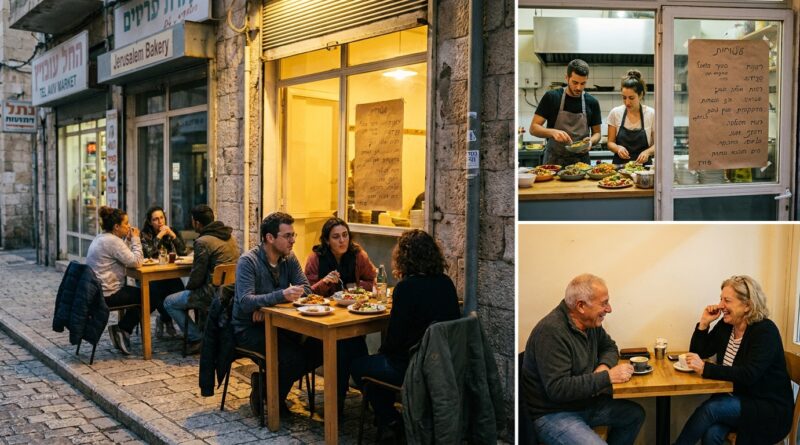
Israel’s New Post-War Mom‑and‑Pop Kitchens: The Tiny Family Restaurants Locals Are Desperate To Keep To Themselves
If you are tired of reading about splashy chef launches while wondering where people in Israel are actually eating on an ordinary weeknight, you are not alone. The real story right now is smaller, quieter, and much more personal. Across side streets, development towns, and residential neighborhoods, couples and families are opening tiny places with six tables, a handwritten menu, and food they missed enough to build a business around. These are the spots locals whisper about because once word gets out, the line starts and the charm can disappear. For anyone searching for new family owned restaurants in Israel 2026, this is where the action is. Not the hotel dining room. Not the imported concept. The places worth knowing are often run by one family, open limited hours, and serving food with the kind of directness that only happens when rent is modest and the cook is standing five feet from your table.
⚡ In a Hurry? Key Takeaways
- Israel’s most interesting new meals are often coming from tiny family-run kitchens, not the biggest new restaurant headlines.
- Look beyond central Tel Aviv. Check side streets, smaller towns, short menus, and limited opening days for the best new finds.
- These places offer strong value and direct community support, but call ahead, expect sellouts, and be flexible on hours and seating.
Why these tiny kitchens matter right now
There is a simple reason locals are paying attention to these openings. They feel real.
After a long, difficult stretch for the country, a lot of eating out in Israel has become less about showing off and more about comfort, routine, and helping people get back on their feet. A family opening a small restaurant is not just adding another place to eat. In many cases, it is a household rebuilding income, identity, and daily life.
That is why the most interesting food stories are often happening far from the glossy launch parties. A husband and wife reopening with the dishes they grew up with. A family expanding from Friday tray pickups into a tiny dining room. A parent and child turning a former takeout counter into a six-seat lunch spot.
If you read our earlier piece, Israel’s New Post-War Comfort Kitchens: The Neighborhood Restaurants Quietly Rebuilding the Country’s Appetite, you will recognize the pattern. The country’s appetite is being rebuilt neighborhood by neighborhood, not just by celebrity names.
What these new family-owned restaurants in Israel 2026 actually look like
They are small on purpose
Think three tables. Maybe eight. Sometimes no sign outside worth noticing unless you already know the address.
That small scale is part of the appeal. It keeps costs lower. It lets owners cook what they know well. It also means the food often feels more focused than what you get in a place trying to serve everyone.
The menu is short
This is usually a good sign, not a limitation.
When a new family-run place offers five mains instead of twenty, it often means they are cooking close to home, buying carefully, and not wasting product. One day you get stuffed kubbeh and soup. Another day there is only one fish dish because that is what came in fresh.
The food is personal
You can feel the difference between a concept and a craving. Many of these kitchens start because someone wanted to cook the food they missed, the food their family always made, or the food they could not find done properly nearby.
That is why these places can feel so specific. Georgian dumplings in one town. Kurdish stews in another. Bukharian breads, Balkan grills, North African home cooking, Iraqi Sabbath dishes adapted for weekday lunch. Not broad “Middle Eastern” food. Actual family food.
How locals find them before everyone else does
Follow neighborhoods, not headlines
Big restaurant news tends to favor the loudest brands. But locals often find the good stuff through neighborhood WhatsApp groups, Hebrew Instagram accounts, Telegram food chats, and one very reliable method, asking a taxi driver or shop owner where they eat with family.
If you are serious about finding new family owned restaurants in Israel 2026, stop searching only by city center and start searching by neighborhood names, local markets, and nearby towns.
Watch for the “expanded from home” story
Some of the best new openings are not brand new businesses at all. They are home bakers, tray-caterers, pop-up cooks, and market stall operators finally taking a tiny permanent space.
That matters because they often open with a built-in local following. Which means two things. First, the food is usually already tested and loved. Second, you need to go early before the rest of the city catches on.
Read the clues
There are a few signs you may have found one of these under-the-radar winners:
- Limited opening hours, often lunch only or just a few evenings a week.
- A menu that changes on Instagram stories rather than on a printed website.
- Owners answering messages themselves.
- Simple interiors, but a lot of repeat customers.
- One or two dishes everyone seems to order.
Why people are desperate to keep them to themselves
It is not snobbery. Usually.
These places are fragile in the early months. They have tiny kitchens, little staff, and almost no room for a flood of attention. One English-language mention can turn a calm weeknight spot into an hour-long wait. For diners, that means the charm changes fast. For owners, too much demand too early can be just as hard as too little.
That is why locals can be oddly protective. They want the place to survive. They also want to keep getting a table.
The sweet spot is steady support, not viral fame.
How to eat at these places without ruining the vibe
Go early and be patient
If a place has one cook and one person front of house, service may move at the speed of actual life. That is part of the package. Arrive early, especially for lunch, and do not expect the rhythm of a large restaurant group.
Ask what is best today
This sounds obvious, but it works. In a family kitchen, today’s best dish may depend on what sold well yesterday, what came in fresh, or what the cook had time to prepare in full quantity.
Do not over-order for the table
In tiny spots, every item matters for stock. Order thoughtfully. If you love the place, come back and try more next time.
Use cashless, but carry cash just in case
Most places take cards or mobile payment, but new operations can have technical hiccups. A backup payment option saves everyone stress.
Post carefully
Support the business, yes. But if a place is clearly tiny and just finding its feet, think twice before turning it into a geotag frenzy overnight. A kind review and a direct recommendation can help more than a pile-on trend.
What makes them better value than the big openings
Not cheaper in every case. Better value.
A lot of these small restaurants keep pricing grounded because they have fewer layers of management, less design overhead, and menus built around dishes they know how to make efficiently. You are paying for ingredients and labor, not a massive launch budget.
Just as important, the money lands closer to the people doing the work. That matters right now. Choosing these places is one of the clearest ways to support local households rather than just another corporate rollout.
Where to look beyond the obvious
Tel Aviv still gets the attention, but some of the most exciting family-run openings are happening outside the usual spotlight. Look in:
- Residential corners of Haifa and its surrounding neighborhoods
- Smaller streets in Jerusalem away from the main tourist flow
- Towns in the north and south where returning families are restarting food businesses
- Mixed cities where home cooking traditions naturally cross over
- Market-adjacent side streets where a stall can become a room with tables
If you want to understand how Israel is really eating now, that map tells you more than any luxury opening list.
What to expect in 2026
The trend is likely to grow, but not in a neat, polished way.
Expect more micro-openings. More soft launches. More places that begin with pickup, then add stools, then maybe become a real dining room. Expect menus shaped by supply, family bandwidth, and cautious spending. Expect owners to test ideas quietly before making noise.
That is good news for diners who pay attention. The next memorable meal may not come from a place with a PR team. It may come from a family trying something brave on a side street with a handwritten specials board.
At a Glance: Comparison
| Feature/Aspect | Details | Verdict |
|---|---|---|
| Scale | Usually 3 to 10 tables, owner-run, limited staff, often neighborhood-based | Best for intimate meals and early discovery |
| Menu Style | Short, changing menus focused on family dishes and regional comfort food | Usually a strong sign of quality and freshness |
| Value and Access | Better value than flashy openings, but hours are limited and sellouts are common | Worth the effort if you call ahead and stay flexible |
Conclusion
The loudest restaurant stories in the last 24 hours have been about big brands and international groups opening new dining rooms. Good for tourists, sure. But if you want to understand how Israel is really eating right now, look smaller. A focused search for freshly opened or newly expanded family kitchens in side streets and smaller towns tells you much more about the moment. It helps residents and returning visitors put money directly into local households rebuilding their livelihoods. It also brings you to soulful cooking that may never make the standard English-language guides until it is already booked solid. That is the real value of tracking new family owned restaurants in Israel 2026. You get better meals, a truer picture of the country, and the rare pleasure of finding a place while it still feels like a local secret.