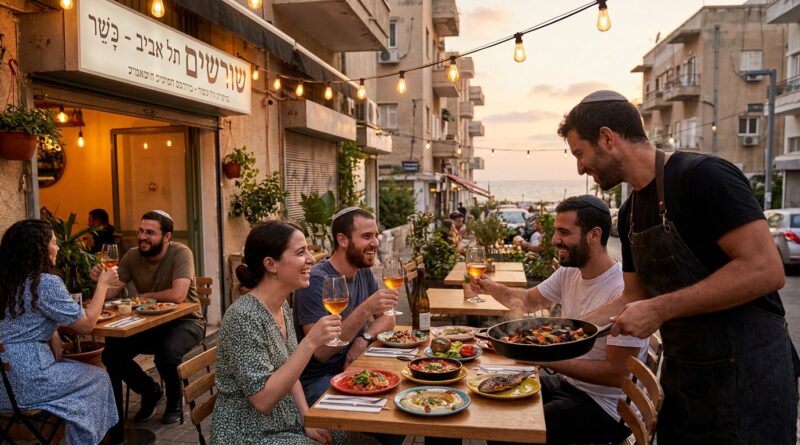
Israel’s New ‘Kosher-Style’ Hotspots: The Tel Aviv Restaurants Quietly Rewriting the Rules of Eating Out
If you have ever tried to book dinner in Tel Aviv with one religious cousin, one traditional aunt, two totally secular friends and one picky date, you already know the drill. The chat goes in circles. One person wants certified kosher only. Another wants somewhere fun, modern and actually worth leaving home for. Someone else says, “Can we please just eat without turning this into a committee meeting?” That frustration is exactly why kosher style restaurants Tel Aviv 2026 has become such a hot search. A new wave of places is quietly changing the rules. They are not formally kosher, but they avoid the biggest deal-breakers for many diners. Think no pork, no shellfish, clear meat-dairy separation, Shabbat-aware menus, and kitchens that respect tradition without signing up for official certification. The result is a middle lane. Not perfect for everyone, but finally useful for a lot more people.
⚡ In a Hurry? Key Takeaways
- Tel Aviv’s new kosher-style spots are giving mixed groups a practical compromise between strict kosher dining and trend-driven non-kosher restaurants.
- Before booking, ask three simple questions: Is there pork or shellfish, is meat and dairy mixed, and does the kitchen follow any separation rules behind the scenes?
- These places can be great for dates, family meals and business dinners, but they are not a substitute for certified kosher for diners who need formal supervision.
What “kosher-style” actually means now
This is where people get confused. “Kosher-style” used to mean something vague. Maybe Jewish comfort food. Maybe a deli feel. Maybe just no bacon on the menu. In Tel Aviv right now, the phrase is getting more specific.
In many of the city’s newer restaurants, kosher-style means the owners are trying to respect traditional eating habits without paying for, or submitting to, formal kashrut certification. That can include no pork and no shellfish, sourcing kosher meat, closing or partially closing on Shabbat, keeping separate utensils, or avoiding obvious meat-and-dairy mixing on the menu.
But there is a catch. Every place defines it differently. One restaurant may use kosher chicken but serve non-supervised wine. Another may be fully fish and dairy, which works for some diners and not for others. Another might be “safe enough” for traditional diners but still be an automatic no for anyone strictly observant.
So the label matters less than the details.
Why this scene is growing so fast
Simple. The old options were wearing people out.
For years, the choice often felt bleak. You could go to a fully kosher restaurant that played it very safe, or you could go somewhere exciting and lose half the group before the appetizers arrived. That gap created an opening, and smart restaurateurs noticed.
They saw a big crowd sitting in the middle. Tel Aviv diners who care about some rules, not all. Families with mixed levels of observance. Dates where one person keeps “kosher-ish.” Tourists who want local food without stepping on religious sensitivities. Even business groups that just want fewer awkward negotiations.
And for owners, the pitch is strong. You can build a stylish menu, keep your chef’s freedom, and still welcome customers who would otherwise never walk in.
The new rules diners are using
Most people are no longer asking only one question: “Is it kosher?” They are asking a series of smaller, more practical questions.
1. Are there hard red lines on the menu?
For many traditional diners, the first screen is easy. No pork. No shellfish. No seafood surprises hidden in sauces. If those are out, the restaurant instantly becomes possible.
2. Is meat and dairy mixed together?
This is still a major dividing line. A place with a cheeseburger on the menu may lose a lot of diners immediately. A meat restaurant with no dairy, or a dairy-fish place with no meat, is often much easier for mixed groups.
3. Does the kitchen show real respect for separation?
This part matters more than many owners realize. Separate prep areas, separate tools, clear staff answers and a menu that does not play games can make diners feel the place is serious, even without certification.
4. Is the vibe actually good?
This is Tel Aviv. People still want a restaurant that feels current, tastes good and does not look like it stopped updating in 2014. The whole point of this trend is that compromise should not feel like punishment.
The kinds of restaurants leading the shift
Rather than one single type of venue, Tel Aviv’s kosher-style movement is spreading through a few different categories.
Modern grill spots
These places are often the easiest bridge. They can serve quality meat, skip dairy completely, avoid forbidden items, and create a menu that feels broad enough for a night out. They tend to work well for family dinners and larger groups.
Fish-forward bistros
A lot of newer places are finding a sweet spot with fish, vegetables, breads and cocktails. For traditional diners who are flexible on supervision but careful about obvious non-kosher foods, this can be a very comfortable middle ground.
Rebranded neighborhood restaurants
This may be the most interesting group. These are places that were once fully secular in approach and quietly edited themselves. A few dishes disappear. Suppliers change. The wording on the website becomes more careful. Suddenly they are attracting a wider crowd without making a big public speech about it.
Chef-driven small plates places
Some of Tel Aviv’s more ambitious kitchens are also adjusting. They want the creative freedom of non-certified cooking, but they are dropping ingredients that exclude too many customers. It is not ideological. It is practical.
A practical cheat sheet for choosing one
If you are trying to plan dinner tonight, do not rely on Instagram captions alone. Use this quick filter.
Ask these three questions when you call
First, do you serve pork or shellfish? Second, do you mix meat and dairy in the kitchen or on the menu? Third, do you use separate equipment or any kind of internal kashrut practice?
The way they answer tells you a lot. If the staff sounds confused, vague or annoyed, move on. If they answer clearly and calmly, that is usually a good sign the restaurant understands its audience.
Check the menu for “silent deal-breakers”
Look for hidden shrimp stock, bacon toppings, seafood sauces, or desserts that make a meat meal complicated for part of the group. These details are often what trigger the argument later.
Pick the place based on the strictest person, then check the fun factor
That sounds unfair, but it saves time. If one person truly cannot eat somewhere, the choice is already made. Once the shortlist fits their baseline, pick the restaurant with the best atmosphere, wine list or location.
What these restaurants are really selling
It is not just food. It is social peace.
They are selling relief from the group-text spiral. They are selling a first date where nobody has to apologize for the menu. They are selling family dinners where grandma, your secular brother and your cousin from Jerusalem can all find something to eat.
That is why the trend matters. It is less about theology and more about daily life in a mixed city.
Who should still skip kosher-style places
Let’s be honest here. This middle lane is not for everyone.
If you only eat under formal rabbinic supervision, kosher-style is not your answer. Full stop. No amount of good intentions replaces certification. The same goes for people who need strict standards for travel, family obligations or personal practice.
But if you are traditional, flexible, visiting with a mixed group, or simply trying to find a respectful place that does not force a fight, these restaurants can be a real gift.
Where they fit into a broader Tel Aviv eating plan
One reason this trend matters is timing. Tel Aviv’s dining scene is getting more layered. You now have kosher-style newcomers, late-night lobby restaurants, chef pop-ups and neighborhood revivals all competing for the same tired, hungry diner.
If your meal plan stretches beyond one dinner, it helps to know your backups too. For travelers arriving late or groups looking for reliable after-hours options, Israel’s New Hotel-Lobby Restaurants: The Under‑The‑Radar Openings Feeding Travelers When The City Sleeps is worth a look. It pairs well with this kosher-style map because sometimes the real challenge is not just who will eat what, but who is still serving at 10:45 p.m.
At a Glance: Comparison
| Feature/Aspect | Details | Verdict |
|---|---|---|
| Formal kosher status | Usually no official certification, but many places avoid pork, shellfish and obvious meat-dairy clashes. | Good for flexible diners, not enough for strict kosher needs. |
| Group friendliness | Works especially well for mixed-religiosity dinners, dates, office meals and visiting family groups. | Often the best compromise option in central Tel Aviv. |
| Menu creativity | Usually stronger and more modern than classic kosher spots because chefs keep more freedom. | Big win if you want interesting food without totally ignoring tradition. |
Conclusion
Tel Aviv’s kosher-style scene is growing because real people needed it. Not a theory. Not a branding exercise. A useful fix for a very common problem. The city now has more places that sit between strict kosher and fully non-kosher dining, and that gives locals and visitors a much better shot at planning meals that feel easy instead of tense. The trick is to stop treating “kosher-style” as one uniform category and start checking the details that matter to your group. Do that, and this new wave of restaurants becomes something genuinely helpful. A cheat sheet for mixed-religiosity dinners, date nights and family meals that people actually enjoy instead of argue about.