Israel’s New One-Dish Temples: The Single-Item Restaurants Tel Aviv Food Nerds Are Lining Up For
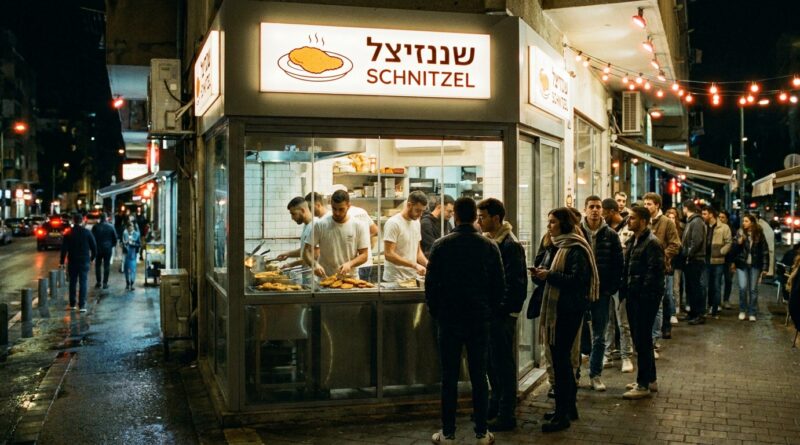
You know the feeling. You sit down, open a menu the size of a short novel, and five minutes later you still have no idea what the restaurant is actually good at. Tel Aviv diners are getting tired of that game. The city’s food nerds are now lining up for places that do the opposite. One dish. One idea. No distractions. And right now, that includes the rising buzz around the new single dish restaurant Tel Aviv schnitzel crowd can’t stop talking about.
It sounds almost too simple. Why would anyone open a restaurant built around one item when every consultant on earth says you need “options”? Because when a kitchen strips away the clutter, it has nowhere to hide. The breading has to shatter properly. The broth has to have depth. The pasta has to be worth the queue. That is why these tiny, focused spots are suddenly shaping the local food conversation. They are making “best in town” feel less like marketing and more like something you can actually taste.
⚡ In a Hurry? Key Takeaways
- Tel Aviv’s hottest micro-trend is the single-item restaurant, with schnitzel, pasta, ramen, and other classics getting obsessive, specialist treatment.
- If you want the best meal for your money, skip bloated menus and look for places built around one signature dish they refine nonstop.
- These spots can sell out fast or have limited seating, so check hours, go early, and be ready for a short menu by design.
Why single-item restaurants are suddenly everywhere
This trend is not really about minimalism for its own sake. It is a reaction to menu fatigue. Diners have spent years sorting through concept-heavy openings where the branding is sharper than the food. A place with one main dish makes a bold promise. “We do this one thing well.” That is easy to understand, and even easier to judge.
For restaurant owners, there is logic here too. Fewer ingredients. Tighter prep. More control. Better consistency. In a city where rent, labor, and food costs keep biting, focus is not just stylish. It is practical.
For diners, the appeal is even clearer. You are not paying for ten average ideas. You are paying for one very good one.
The new single dish restaurant Tel Aviv schnitzel fans are watching
The loudest buzz right now is around the latest newcomer built on a single classic. Schnitzel. Not schnitzel plus fish, salads, sushi, burgers, and cocktails. Just schnitzel, with all the attention going into the cut, the coating, the fry, and the sides that make it sing.
That matters because schnitzel is one of those dishes everybody thinks they know. It is familiar. Comforting. Easy to underestimate. But once a kitchen starts treating it like the whole point instead of an afterthought, people notice fast.
The details become the story. Is it pounded thin enough? Is the crust airy or heavy? Does it stay crisp to the last bite? Are the potatoes actually worth eating, or just filler on the plate? In a focused schnitzel spot, those questions are not side notes. They are the entire review.
What makes these places work
1. Obsession replaces variety
A one-dish place has to get repetitive in the best possible way. Same station. Same process. Same standard, again and again. That repetition can create the kind of precision that bigger menus struggle to match.
2. The dish becomes the brand
You do not need a giant concept deck to explain the place. People know what they are going for. “The schnitzel place.” “The pasta line.” “That ramen bar.” In a crowded food city, being instantly understandable is a real advantage.
3. Word of mouth spreads faster
Single-item spots are easy to recommend because the pitch is short. You are not describing a whole menu. You are telling a friend, “Go there, order the thing, thank me later.”
Tel Aviv has seen this before, and it is spreading
If this sounds familiar, that is because the city has already been warming to the one-dish model. We saw it with pasta. If you missed that wave, Israel’s New One-Dish Obsession: Inside Tel Aviv’s Pasta Line Everyone’s Suddenly Queuing For captured the same frustration many locals now feel with overstuffed menus. The pattern is clear. The more restaurants try to be everything, the more diners reward the ones that choose one lane and stay in it.
Now that same energy is moving into other comfort-food categories. Schnitzel is an obvious fit because it lives right at the sweet spot of nostalgia and technique. People already love it. The trick is making them taste it in a way that feels sharper, lighter, crispier, or simply more dialed in than what they are used to.
What diners should look for before joining the line
Check if the simplicity is real
Some places claim focus but still pad the menu with random extras. A true single-item restaurant has discipline. There may be a few side options or a dessert, but the identity of the place should be crystal clear.
Look at turnover
For fried and fast-finished dishes like schnitzel, high turnover is usually a good sign. It means your plate is likely moving from fryer to table without sitting around losing its crunch.
Pay attention to the basics
When a restaurant only sells one thing, the basics tell you everything. Portion size. Heat. Texture. Seasoning. If those are right, the concept is working. If not, there is nowhere for the kitchen to hide.
Go early if the place is new
The hottest focused spots often have tiny kitchens, small seating areas, and limited prep. That means long queues at peak hours and the occasional sellout. If you hate waiting, early lunch or an off-hour visit is your friend.
Why this trend matters beyond hype
This is bigger than one schnitzel counter or one viral noodle bar. It says something useful about where dining culture is heading. After years of restaurants chasing scale, spectacle, and social-media shine, many eaters now want clarity. They want to know what a place stands for. They want fewer choices and better results.
That is especially relevant in Tel Aviv, where new openings arrive with a lot of noise. A single-item restaurant cuts through that noise quickly. Either the one thing is excellent, or it is not. That honesty is part of the appeal.
How to use this trend to eat better for less
If you are trying to avoid expensive disappointment, this is one of the easiest filters you can use right now. Start by asking a simple question before booking anywhere: what is the one dish this place wants to be known for?
If the answer is vague, that is a warning sign. If the answer is immediate and specific, you may be onto something.
That does not mean every small menu is automatically great. It means focus is often a better bet than sprawl. Especially in a city where diners talk fast, lines form quickly, and overhype can travel faster than quality.
At a Glance: Comparison
| Feature/Aspect | Details | Verdict |
|---|---|---|
| Menu size | Single-item spots keep choices tight, usually one signature dish with a few sides or variations. | Better for diners who want quality over endless options. |
| Food consistency | Focused kitchens repeat the same dish all day, which often sharpens technique and reliability. | Usually stronger than broad menus with too many moving parts. |
| Value for money | You are paying for a specialty rather than a concept-heavy menu full of filler items. | A smart pick if you want a memorable meal without gambling on hype. |
Conclusion
Right now, some of the smartest eating in Tel Aviv starts with less, not more. The most buzzed-about newcomer may sell just one thing, but that is exactly why people care. It is changing how locals talk about the “best” version of a classic, whether that classic is schnitzel, pasta, or something else simple enough to expose every flaw and reward every detail. For IsraRest readers, this shift is genuinely useful. It helps you avoid wasting money on overdesigned places with bloated menus, and it gives you a cleaner roadmap to the kitchens that are actually delivering. That is the real value of tracking this micro-trend early. Not chasing hype, but spotting where flavor is winning.