Israel’s New One-Dish Obsession: Inside Tel Aviv’s Pasta Line Everyone’s Suddenly Queuing For
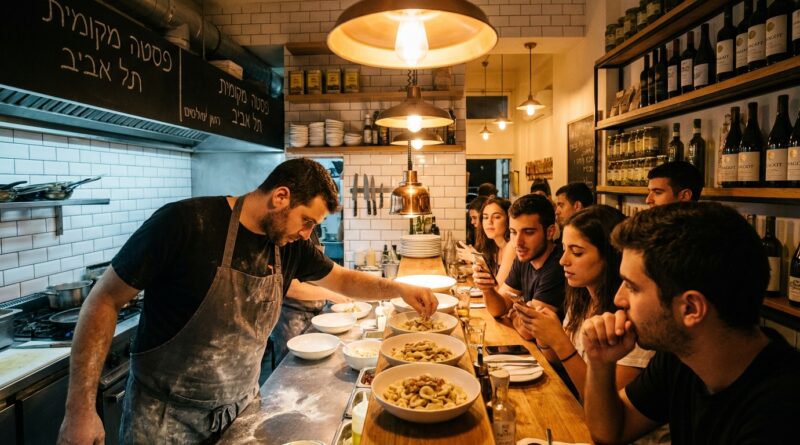
Menu fatigue is real. You open one reservation app, then another, then a group chat starts arguing about sushi, burgers, pasta, vegan options, parking, noise level, and whether the place is already overhyped. By the time you pick somewhere, nobody is hungry in a fun way anymore. That is exactly why Israel’s new one-dish wave feels so refreshing. Instead of trying to please everyone with a giant menu, a small but growing number of spots are cutting the choice down to one main thing and making it properly worth the trip. Right now, the talkiest example is a new one dish restaurant Tel Aviv pasta fans are lining up for, a compact counter built around a single signature bowl. It sounds almost too simple. But in a dining scene crowded with copy-paste openings and endless options, that simplicity is becoming the whole point. Fewer decisions. Sharper cooking. More confidence that what you came for will actually be great.
⚡ In a Hurry? Key Takeaways
- Tel Aviv diners are flocking to one-dish spots because they cut stress and usually execute one plate better than large-menu restaurants.
- If you want to try this trend smartly, go early, expect a short menu, and judge the place on consistency, speed, and ingredient quality.
- The value play is real. These small counters often spend less on menu sprawl and more on getting one dish exactly right.
Why one-dish restaurants are suddenly clicking in Israel
There is a practical reason this trend is taking off now. Eating out has become noisier. More openings. More hype. More menus trying to do everything at once. For regular diners, that often means higher prices, uneven quality, and too many decisions.
A one-dish place flips that model. It says, this is what we do. Come if you want it. Skip it if you do not. That clarity is powerful.
For owners, it can also be a smarter business move. A tighter menu means less waste, faster prep, easier training, and better odds of staying consistent on busy nights. For customers, it means less second-guessing and a better chance the kitchen has truly mastered the thing you ordered.
The Tel Aviv pasta counter everyone is talking about
The most talked-about version of the trend right now is a new pasta counter in Tel Aviv that has built buzz around one signature plate rather than a whole spread of starters, mains, and specials. People are not just coming for pasta. They are coming for the relief of not having to decode a concept.
You queue. You know what the house move is. You order. You eat.
That sounds basic, but it changes the whole mood of a meal. Instead of wondering if you picked the wrong dish from a 40-item menu, you are trusting the room to do its one thing well. And when it works, it feels confident rather than limited.
Why pasta works especially well for this format
Pasta is ideal for a one-dish concept because it sits right in the sweet spot between comfort food and craft. It can be affordable-ish compared with more elaborate chef plates, but it still gives a kitchen lots of room to show technique. Sauce texture matters. Pasta shape matters. Seasoning matters. Timing matters.
In a focused setup, all that attention lands on one bowl. That concentration is what diners are responding to.
What makes a one-dish place worth the queue
Not every tiny menu deserves instant cult status. The best one-dish restaurants tend to share a few traits.
1. The signature plate is genuinely memorable
If a place is going to ask you to buy into one idea, the payoff has to be obvious from the first bite. You should understand quickly why this dish, and not ten others, became the reason the restaurant exists.
2. The operation feels smooth
This format only works if service is fast and clear. If there is one star dish, the line should move, the ordering should be simple, and the plate should arrive at the right temperature and texture every single time.
3. The simplicity feels intentional, not cheap
There is a big difference between a place that has one dish because it has a point of view, and a place that has one dish because it has not figured itself out. Diners can tell.
Why this matters beyond one pasta line
The bigger story is not just one popular counter. It is the shift in how Israelis are choosing where to eat. A lot of people are quietly moving away from big, busy menus and toward smaller places with a stronger identity.
That is part of the same energy behind chef-led local rooms and compact neighborhood spots. If you have been following the rise of Israel’s New Chef-Owned Neighborhood Bistros: The Small Dining Rooms Local Food People Are Chasing First, this one-dish movement will feel familiar. Diners want places that know exactly what they are.
Expect copycat concepts to spread. Pasta is an easy headline, but the format can work for schnitzel, a single sandwich, one style of ramen, one pastry, one rice bowl, even one dessert. Once people get comfortable with the idea, the question changes from “Why is the menu so small?” to “If this is all you do, how good is it?”
How to try the trend without wasting a night out
If you are curious but skeptical, here is the practical cheat sheet.
Go at an off-peak hour first
The whole appeal disappears if your first experience is a long, slow, badly managed queue. Try lunch or an early dinner. You will get a cleaner read on the food and the system.
Do not expect customization heaven
These spots are built around control and repetition. That is part of why the dish can be so good. If you need lots of substitutions, this style may frustrate you.
Watch what regulars do
At a good one-dish place, repeat customers tell you everything. Are they in and out quickly? Are they coming back for the same plate? Are they adding a side or drink that clearly completes the meal? That is often your best guide.
Judge value by focus, not just portion size
One bowl can look simple and still be worth the money if the ingredients, timing, and consistency are there. The value is in the precision.
Will the trend last?
Some of these places will be hype and disappear. That is normal. But the format itself is not going anywhere soon because it fits the moment. Rents are tough. Labor is expensive. Diners are tired. A tightly run room with one standout plate answers all three problems at once.
It also gives people a more useful way to pick where to eat. You are no longer choosing from a blur of generic “modern sharing plates” and overloaded menus. You are choosing a specialty.
That makes the dining scene easier to navigate, especially in Tel Aviv, where new places open with so much noise that it can be hard to tell what is actually worth your time.
At a Glance: Comparison
| Feature/Aspect | Details | Verdict |
|---|---|---|
| Menu size | One signature dish, or one dish with only a few supporting items | Great for decisive, focused dining |
| Quality control | Kitchen can spend its time refining one plate instead of juggling dozens | Usually stronger consistency than broad menus |
| Best use case | Quick lunch, low-drama dinner, or trying a hyped specialty without overcommitting | Smart pick when you want less debate and better odds of a standout bite |
Conclusion
The rise of one-dish restaurants in Israel is not just a fun food fad. It is a useful shortcut for diners who are tired of inflated menus, overthinking, and restaurants that try to be everything at once. If the new Tel Aviv pasta line is any sign, people are happy to trade endless choice for one dish with real conviction. That gives our community a practical way to eat smarter in a crowded dining scene. Instead of chasing every new opening, you can focus on the small but fast-growing counters and tiny rooms putting all their energy, and rent money, into perfecting one plate. Right now, that is where some of the most interesting eating in Israel is happening, and it is likely only the start.