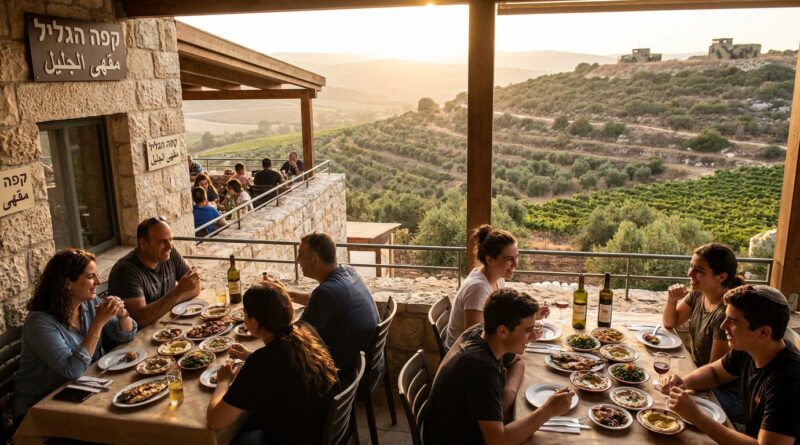
Israel’s New Borderland Comeback Kitchens: The Northern Restaurants Quietly Reopening Against All Odds
It is frustrating when every food list keeps pointing you back to the same Tel Aviv streets and polished Jerusalem openings, especially when a much more moving restaurant story is happening up north. Quietly, and with far less fanfare, small kitchens in Israel’s northern border communities are reopening after months of closures, stress, evacuations, and uncertainty. These are not just new restaurant openings in northern Israel border communities. They are signs of people coming home, buying produce again, firing up grills again, and betting that diners will return too.
If you are wondering where to eat next, this is one of the rare moments when a meal can do double duty. You get a memorable day trip, and the restaurant gets badly needed business. Think trout near cold streams, family hummus spots reopening with limited hours, Druze kitchens serving dishes that taste like home cooking, and roadside bakeries that are finally turning the lights back on. The catch is simple. You need to plan smart, check security updates, and go in with flexibility. Do that, and the north can give you some of the most meaningful meals in Israel right now.
⚡ In a Hurry? Key Takeaways
- Some of the most interesting new restaurant openings in northern Israel border communities are small reopenings, not flashy launches, and they are worth the trip.
- Call ahead, confirm opening hours that morning, and build a flexible route with one main stop and one backup.
- The best value is not just on the plate. Your visit supports fragile local businesses, but only if you travel with up-to-date security awareness.
Why these reopenings matter more than a normal restaurant launch
A new opening in a city usually means a chef, a concept, and a bit of buzz. In the north, near the border, reopening means something heavier. It can mean staff have returned home. Suppliers are working again. Families are taking the risk of unlocking the door and hoping enough people show up.
That changes the experience for diners too. You are not just chasing the newest plate on Instagram. You are stepping into communities that have had a rough stretch and are trying to restart normal life one service at a time.
For readers searching for new restaurant openings in northern Israel border communities, that is the real story. The “new” part is often a reopening, a soft return, or a kitchen with reduced hours that is testing whether it can stay open consistently.
What kinds of places are actually reopening
Do not expect a neat wave of grand openings with ribbon cuttings. The comeback is patchy, local, and often deeply personal. That is what makes it interesting.
Family hummus and grill spots
These are often the first to come back because the format is simple, the local demand is steady, and loyal customers remember them. You may find shorter menus at first. That is not a bad sign. Usually it means the owners are keeping costs under control while they figure out demand.
Fish and trout restaurants in the Upper Galilee
The north has always had a strong freshwater fish tradition, especially around stream-heavy areas and tourism routes. If these places are reopening, they offer one of the easiest reasons to build a day trip. The setting does half the work. A grilled trout, a table outside, and a cool breeze can feel like a full reset.
Druze home-style kitchens and bakeries
Villages in the north have long offered some of Israel’s best under-the-radar meals. Labneh, stuffed vegetables, pita fresh off the saj, grilled meats, and trays of pastries are often stronger draws than any big-city tasting menu. If you want a meal with a real sense of place, start here.
Roadside cafés and farm-linked eateries
Some reopenings are tiny. A coffee window, a dessert counter, a breakfast deck attached to a local farm. These places are easy to overlook, but they are often the best stop on a day built around scenery and slow eating.
How to find them without wasting a day
This is where people get stuck. You hear that somewhere is “open again,” drive two hours, and find a handwritten sign saying they closed early. It happens. So plan like a local.
Check the same day
Do not trust old social posts. Look for Instagram Stories, Google Maps updates posted in the last few days, or local WhatsApp and Facebook community chatter if you have access to it. Then call. A quick phone call saves a lot of disappointment.
Build a one-anchor route
Pick one restaurant as the main reason for the trip. Then add a bakery, coffee stop, or scenic walk nearby. If your anchor place closes unexpectedly, the day is not ruined.
Travel early
Morning departures are your friend. You get more daylight, more margin for route changes, and a better shot at lunch before a place runs out of key dishes or closes early.
Keep the group flexible
If you are bringing kids or picky eaters, check menus in advance. Some of the best places up north are wonderfully specific. That is part of the charm, but it helps to know whether everyone will be happy with trout, hummus, or a dairy menu.
Security reality matters. Here is the practical way to handle it
You do not need to be dramatic about it, but you do need to be current. Conditions can shift quickly. Some roads, communities, or attractions may be accessible one week and not ideal the next.
Use official updates first
Before you leave, check Home Front Command guidance and local council updates. Then look at traffic apps and recent business posts. Restaurants will often mention if they are operating under limited service or asking guests to reserve before arriving.
Avoid overpacking the itinerary
The smartest northern food trips right now are simple. One region. One main meal. One or two side stops. This keeps you from spending the whole day in the car or chasing places that may change plans.
Have a backup region
If one border-adjacent area feels too uncertain on the day, shift to a slightly less sensitive northern zone. You still support the broader regional economy, and you avoid turning lunch into a stress test.
What makes these meals different from city dining
Part of the appeal is obvious. The scenery is better. Parking is easier. The pace is slower. But there is also a deeper difference. In the city, restaurants often compete on novelty. In the north, many of these places compete on sincerity.
You taste long-standing local traditions more clearly. You get cooks who are not trying to impress the algorithm. They are trying to feed people well enough that they come back and tell their friends.
If your recent food outings have felt a bit samey, this is a good antidote. And if you like tracking emerging eating trends, think of this as a parallel scene to summer pop-ups and mobile dining. For a completely different kind of fresh-air food hunt, it is worth seeing Israel’s New Beach Food Trucks: The Mobile Summer Restaurants Locals Are Chasing Before They Hit Every Coast. The beach truck boom is fun. The northern comeback kitchens feel more intimate.
How to plan a northern culinary day trip that actually works
Here is a simple format that gives you a strong chance of a great day.
Step 1: Choose a food theme
Pick one. Hummus crawl. Trout lunch. Druze bakery route. Farm breakfast and wine. A theme makes the day feel intentional and stops you from zigzagging all over the map.
Step 2: Limit drive complexity
Choose destinations that sit within a manageable loop. The goal is to enjoy the region, not spend six hours recalculating the route.
Step 3: Reserve when possible
Small places reopening after difficult months may be running with a lean team. A reservation or a courtesy call helps them and helps you.
Step 4: Spend beyond the main meal
Buy pastries for the road. Take home olive oil, preserves, wine, or local cheese if available. Those add-on purchases matter to small businesses.
Step 5: Post carefully and helpfully
If you share your visit, include useful details. Opening hours you confirmed. Whether reservations were needed. What roads felt straightforward. That kind of information is gold right now.
What to expect when you get there
Expect warmth, but not always polish. Some places will still be finding their rhythm. Menus may be shorter. Service may be slower. A favorite dessert may be missing because the supplier situation is still uneven.
That is not the time to act like a restaurant critic who expected downtown perfection. It is the time to appreciate that the place is open at all and judge it on what matters. Is the food good? Is the welcome genuine? Does your visit help a place that deserves to survive?
Often, the answer will be yes.
Who should go first
If you love food with a story, go now. If you have friends visiting and want to show them an Israel beyond the standard city circuit, go now. If you are tired of crowded urban reservations and want a day that feels generous, scenic, and grounded, definitely go now.
The one group that should wait is anyone unwilling to plan flexibly. The north rewards curiosity and patience. It is not ideal for people who need every stop guaranteed weeks in advance.
At a Glance: Comparison
| Feature/Aspect | Details | Verdict |
|---|---|---|
| Type of openings | Mostly soft reopenings, reduced-hour returns, and family-run kitchens restarting service rather than flashy brand-new launches. | More meaningful than trendy. Worth prioritizing. |
| Trip planning | Best done with same-day checks, one anchor restaurant, and a nearby backup stop. | Essential for a smooth day. |
| Overall value | You get strong regional food, scenic travel, and a direct way to support local economies recovering from months of disruption. | High value, if you travel responsibly. |
Conclusion
The easy move is to keep chasing the loudest restaurant buzz in the big cities. The better move right now might be to head north with an appetite and a little patience. These new restaurant openings in northern Israel border communities are not just about what is on the table. They are about return, resilience, and giving small businesses a real shot at recovery. For food-loving locals and visitors, that turns a simple “where should we eat next?” into something much more useful. You get fresh destinations that most English-language roundups still miss, you help fragile border economies with every booking and takeaway box, and you come home with the kind of day trip story that sticks. Plan carefully, check conditions the day you go, and when you find a tiny kitchen with the lights back on, pull in and order generously.