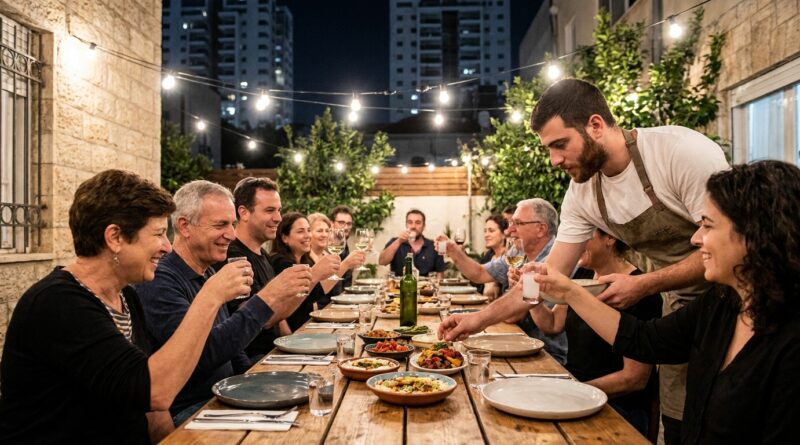
Israel’s New Neighborhood Test Kitchens: The Pop-Up Restaurants Quietly Turning Home Cooks Into Citywide Stars
You know the routine. Someone asks where to eat in Tel Aviv, Jerusalem or Haifa, and the same names come up again. The same booking links. The same “hidden gems” that stopped being hidden two years ago. If you are tired of chasing restaurant lists that feel copied from one another, the real action is now happening in neighborhood test kitchens and tiny pop-ups. These are the meals run by chefs cooking out of borrowed spaces, back-room counters, market stalls, wine bars on off nights and small studios that can feel more like dinner at a friend’s place than a formal opening. That matters if you want somewhere genuinely new to brag about on WhatsApp tonight. It also matters because these pop-ups are where many of Israel’s next restaurants are being born, quietly, with lower risk, smaller menus and a lot more personality than the usual PR-heavy launch.
⚡ In a Hurry? Key Takeaways
- The best new pop up restaurants in Israel are often neighborhood test kitchens with limited seats, short runs and menus that change weekly.
- For the best chance of getting in, follow chefs and small hospitality spaces on Instagram, check stories daily and book fast.
- Expect some rough edges like cashless booking, shared seating or soft-opening hiccups, but that is often the tradeoff for lower prices and a more personal meal.
Why these pop-ups matter right now
Israel’s dining scene has always moved quickly, but lately it is moving in a different way. Instead of jumping straight into expensive long-term leases, more cooks are testing ideas first. They are doing a six-night ramen run in Haifa. A Friday lunch residency in Jerusalem. A 12-seat tasting counter in south Tel Aviv. A bakery dinner crossover in the Galilee.
There are practical reasons for that. Rent is high. Hiring is hard. Some chefs have been laid off, relocated or simply want to start smaller after a chaotic few years. A pop-up gives them a way to cook now, build a following and see what people actually come back for.
For diners, that means you get first access. You are not just eating somewhere new. You are catching the early version of something that may become much bigger later.
What a “neighborhood test kitchen” actually looks like
Do not picture a glossy launch party with a publicist and ring light. Most of these places are much more low-key.
Borrowed spaces
A chef may take over a cafe after 6 p.m., run a guest menu inside a wine bar on Mondays, or use a bakery kitchen for one weekend only.
Small menus
The menu is usually short on purpose. Three starters. Two mains. One dessert. That is not a lack of ambition. It is a smart way to keep quality high and waste low.
Limited seats
Some of the most exciting openings are tiny. Eight seats. Fifteen seats. One communal table. If it feels personal, that is because it is.
Fast changes
These kitchens test in real time. If diners love one dish, it stays. If something flops, it disappears by next week.
How to find the best new pop up restaurants in Israel before everyone else does
This is the part most people miss. The newest places often do not show up on the big travel sites right away. By the time they do, the secret is gone.
Watch chef accounts, not just restaurant accounts
Many pop-ups are announced on a chef’s personal Instagram before they get a proper brand page. Stories are often where the real information appears first, especially booking windows, menu previews and location details.
Follow small venues that host residencies
Wine bars, boutique hotels, market stalls, coffee shops and event spaces often host guest chefs. If you only follow standalone restaurants, you will miss half the action.
Search by neighborhood, not only by city
A new spot in Florentin, the German Colony, Wadi Nisnas or Talpiot may build a local crowd before anyone outside the area notices. Neighborhood hunting works better than broad “best restaurant in Tel Aviv” searches.
Check for words like “preview,” “residency,” “soft opening” and “one-night menu”
Chefs use different labels. Some never say “pop-up” at all. They might call it a chef’s table, a guest shift or a pilot menu.
If you enjoy this sort of chase, it is worth reading Israel’s New Chef-Run Tasting Counters: The One-Night-Only Menus You Have To Catch Before They Disappear, which covers another corner of the same fast-moving scene.
What to expect when you book one
Pop-ups are exciting because they are new. They can also be a little messy. That is normal.
Booking may be manual
You might reserve through DM, WhatsApp, a Google Form or a payment link. Fancy reservation software is not always part of the setup.
The menu may not be final
You could book based on a rough concept and get the full dish list only a day before. That can feel odd if you are used to polished restaurant websites.
Service may feel more human and less rehearsed
Sometimes the chef brings out your plate and explains it. Sometimes the host is also the person answering messages. It is part of the charm.
Prices can go either way
Some pop-ups are cheaper because overhead is lower. Others cost more because they use premium ingredients in very small batches. Read carefully before you book.
How to tell if a pop-up is worth your night out
Not every fresh opening is automatically great. A little filtering helps.
Look for a clear cooking point of view
The strongest pop-ups usually have a simple, sharp idea. Yemenite seafood small plates. Kurdish comfort food with natural wine. A pastry chef doing savory night service. If the concept is too vague, the meal may be too.
Check if the chef has real kitchen experience
You do not need a celebrity name. But it helps if the person cooking has worked somewhere solid, even quietly, before launching a side project.
Read the room in the comments
Are people talking about flavor and hospitality, or just posting “wow” and fire emojis? Real feedback beats hype.
See how they handle details
Good signs include clear allergy notes, exact times, cancellation terms and honest menu descriptions. If they are thoughtful online, they are usually thoughtful in person too.
Where this trend is strongest
It is easy to assume this is just a Tel Aviv thing. It is not.
Tel Aviv
Still the fastest-moving market, with chefs using bars, bakeries and design spaces for short runs. You will find the widest mix of experimental formats here.
Jerusalem
Pop-ups in Jerusalem often lean more intimate and story-driven, with chefs drawing on family food traditions, market produce and seasonal dinners that feel rooted in place.
Haifa
Haifa’s advantage is range. Arab, Druze, Russian, French, Levantine and modern Israeli influences can all turn up in one month of small events. The city also tends to reward creative cooks before the mainstream notices.
The periphery
This may be the most interesting part. In smaller towns and regional areas, chefs are using pop-ups to build an audience without moving to the center. That means better reasons to drive for dinner, and more local talent staying local.
Why this helps the food community, not just hungry diners
These pop-ups are not only fun for people looking for a brag-worthy reservation. They are also a practical bridge for cooks trying to rebuild or start something new. A chef can test demand, meet investors, sharpen a menu and grow a mailing list before signing a lease that could sink them.
That lowers the barrier to entry. It opens the door for younger cooks, second-career chefs and people bringing regional or family food into a professional setting. That is good for diners, and good for the culture around food in Israel.
Smart tips before you go tonight
If you want a smooth experience, a little prep goes a long way.
Confirm the exact location
Some pop-ups move around, and some are hosted inside another business. Double-check the address on the day.
Ask about dietary needs early
A 10-seat kitchen cannot always improvise vegan, gluten-free or nut-free alternatives at the last minute.
Do not arrive expecting a full traditional restaurant setup
You may get one seating only, a fixed menu or communal dining. Go in with the right mindset and you will enjoy it more.
Take screenshots of the booking details
If the information was in stories, it may disappear by the time you head out.
At a Glance: Comparison
| Feature/Aspect | Details | Verdict |
|---|---|---|
| Freshness | Menus often change weekly or nightly, with chefs testing ideas in real time. | Excellent if you want something genuinely new. |
| Booking Experience | Reservations may happen through Instagram, WhatsApp or basic payment links instead of big platforms. | Less polished, but usually worth the small hassle. |
| Atmosphere | Small rooms, chef interaction and limited seats make the meal feel personal. | Best for diners who value character over formality. |
Conclusion
If you are asking, “Where can I eat tonight that literally opened this week and still feels personal?” this is where to look. The best new pop up restaurants in Israel are not always the loudest ones. They are often the quiet little test kitchens, guest residencies and short-run counters building a following one service at a time. That is what makes them useful to diners right now. Instead of recycling the same PR-driven openings, this angle gives locals and visitors first dibs on intimate, chef-led meals in Tel Aviv, Jerusalem, Haifa and beyond. It also helps support young Israeli cooks experimenting after layoffs, relocations or career shifts, and gives the whole community a living map of the country’s next generation of restaurants before they sign a permanent lease.