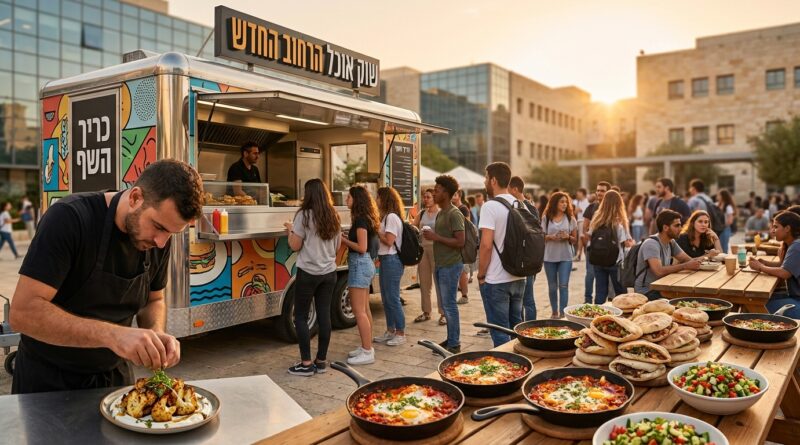
Israel’s New Campus Chef Spots: The University Restaurants Quietly Turning Students Into Food Critics
If you have ever walked onto an Israeli campus hungry and braced yourself for another dry baguette, sad schnitzel, or coffee that tastes like an afterthought, you are not imagining it. That has been the standard for years. The surprise is that it is changing, quietly and fast. Some of the best new campus restaurants in Israel are now hiding inside universities, museums, and cultural complexes, often with better cooking than places getting far more buzz on the main restaurant streets. The problem is simple. Most of these spots open with almost no fanfare, little English coverage, and menus that look like they are meant only for students who already know the drill. That means travelers miss them, locals pass them by, and even professors keep eating the same safe lunch. If you know where to look, though, campus food in Israel is suddenly a lot more interesting, and in some cases, genuinely worth a special trip.
⚡ In a Hurry? Key Takeaways
- The best new campus restaurants in Israel are no longer basic cafeterias. Some serve chef-led food that is worth seeking out even if you are not a student.
- Before you go, check opening hours, campus access rules, and whether the spot is open during semester breaks or holidays.
- These places often offer better value than big-city restaurant strips, and your visit helps food businesses that need non-student traffic right now.
Why campus food in Israel is suddenly worth your attention
For a long time, eating on campus was about convenience, not pleasure. You grabbed whatever was close, edible, and fast. That is still true in plenty of places. But a small shift is happening. Operators have figured out that students want better food, staff are tired of bland lunch options, and campuses bring a built-in crowd that can support more ambitious kitchens.
That mix is creating a new category of dining in Israel. Not fine dining in the white-tablecloth sense. More like smart, chef-driven food in places where nobody expected it. Think upgraded lunch counters, serious bakery items, food trucks with real point of view, and restaurants inside academic or cultural settings that feel more like neighborhood finds than institutional canteens.
For travelers, this is useful because campuses often sit near major museums, libraries, gardens, and city neighborhoods you were already planning to visit. For locals, it means lunch no longer has to be a compromise.
What makes the best new campus restaurants in Israel different
They are built for repeat visits
A tourist-heavy restaurant can survive on one flashy dish and a nice room. A campus restaurant cannot. Students and staff come back again and again. If the food is boring, overpriced, or inconsistent, people stop showing up fast. That pressure can produce surprisingly honest food. Menus get edited. Portions make sense. Service becomes quicker. The restaurant has to work on a Tuesday at 1:15 p.m., not just on Instagram.
They often have chef DNA without chef-restaurant prices
One of the most interesting things about these spots is who is behind them. In several cases, the people planning the menu or running the kitchen are not anonymous cafeteria contractors. They are known cooks, serious hospitality groups, or younger chefs using campuses as a smarter place to build a following. The result is food with more thought and, often, friendlier prices than in central Tel Aviv or Jerusalem.
They are less obvious, which is exactly why they matter
The downside is visibility. These restaurants can be excellent and still stay half-hidden because they are tucked inside a faculty building, next to a museum entrance, or behind campus security gates that make outsiders assume they are not welcome. A little guidance goes a long way.
Where visitors should start looking
If you want to find the best new campus restaurants in Israel, stop thinking only about the main commercial strips. Start with universities and nearby cultural compounds in Jerusalem, Tel Aviv, Haifa, and Beersheba. Also look at museum campuses and design schools, where operators know their audience expects something a bit more thoughtful.
Jerusalem is a good example. Many visitors plan their meals around Machane Yehuda or the city center and miss what is happening in academic settings. If you want a closer look at that trend, Israel’s New Campus Chef Spots: Inside the Hebrew U Restaurants Turning Students Into Food Tourists is a useful place to start. It shows how university dining is becoming part of the city’s food map, not just a student convenience.
How to tell whether a campus spot is actually worth the detour
Check who is eating there
This sounds simple, but it works. If the tables are filled with staff, graduate students, and local residents, not just trapped undergrads between classes, that is a good sign. People with options do not come back for bad food.
Look for a short menu with a point of view
The strongest campus kitchens usually do not try to serve everything. They focus. Maybe it is a bakery-cafe with excellent sandwiches and salads. Maybe it is a grill counter doing a few dishes properly. Maybe it is a food truck with one signature item students argue about. Narrow menus usually mean better execution.
Pay attention to the coffee and pastry test
If a place cannot get breakfast right, lunch is a gamble. A good croissant, fresh bureka, or well-made cappuccino often tells you the operator cares about quality across the board. On a campus, where mornings are busy and margins are tight, that matters.
Practical tips before you go
Do not assume public access is obvious
Some campuses are open and relaxed. Others have gates, guards, or changing rules depending on the day. If you are coming specifically to eat, check access first. It saves an awkward walk back to the car while hungry.
Hours can be strange
Campus restaurants often keep campus logic. They may close early, shut down during semester breaks, or reduce service during holidays and exam periods. The food may be great, but only between 11:30 a.m. and 3:00 p.m. Plan accordingly.
English information may be limited
This is one reason these places stay under the radar. Instagram pages may be in Hebrew only. Google listings may be outdated. Menus can be posted on stories and disappear in a day. When in doubt, call, message, or ask someone local to check.
Why this trend matters beyond lunch
There is a bigger story here than just better sandwiches. Israel’s hospitality business has had a shaky year. Openings are riskier. Foot traffic is uneven. Many smaller operators need more than student crowds to stay healthy. When a good restaurant opens inside a university or cultural complex, outside diners can make a real difference.
That is also why coverage matters. These are not places with giant PR budgets or glossy launch campaigns. They are often discovered by word of mouth, students, nearby residents, or niche food sites paying attention to what is opening off the usual paths. That is exactly where a lot of the most interesting movement is happening now.
Who benefits most from these hidden spots
Travelers
If you are tired of tourist-zone meals, campus restaurants can offer a more local rhythm and often better value. They also fit nicely into museum visits, architecture walks, and neighborhood exploring.
Students
This one is obvious, but still worth saying. Better food changes the feel of a campus. It makes staying longer, meeting friends, or working between classes a lot more pleasant.
Faculty and local residents
Professors and nearby neighbors may be the real winners. They get a reliable lunch or coffee spot without needing to cross town, and they help turn campus dining into something sustainable.
At a Glance: Comparison
| Feature/Aspect | Details | Verdict |
|---|---|---|
| Food quality | Many new campus spots now offer chef-led menus, better ingredients, and focused dishes instead of generic cafeteria staples. | A real upgrade, especially if you know which places to target. |
| Price and value | Prices are often lower than comparable city-center restaurants, with solid lunch portions and less tourist markup. | Usually excellent value for students, locals, and visitors. |
| Convenience | Access rules, limited hours, and sparse English info can make these places harder to find and use. | Worth the effort, but always check details before heading over. |
Conclusion
The best new campus restaurants in Israel matter because they fix a very ordinary problem in a surprisingly satisfying way. You no longer have to settle for forgettable food just because you are near a university or museum. Some of the most interesting new kitchens are now tucked inside campuses and cultural complexes, opening quietly and getting almost no English coverage. That makes them easy to miss, but also fun to find. By tracking these under-the-radar restaurants and food trucks, IsraRest helps visitors, students, and professors trade limp cafeteria lunches for serious cooking from name-brand chefs and promising operators. It also gives badly needed support to businesses trying to survive a difficult period for hospitality. So next time you are near a campus in Israel, do not treat lunch as an afterthought. It might end up being the most surprising meal of your day.