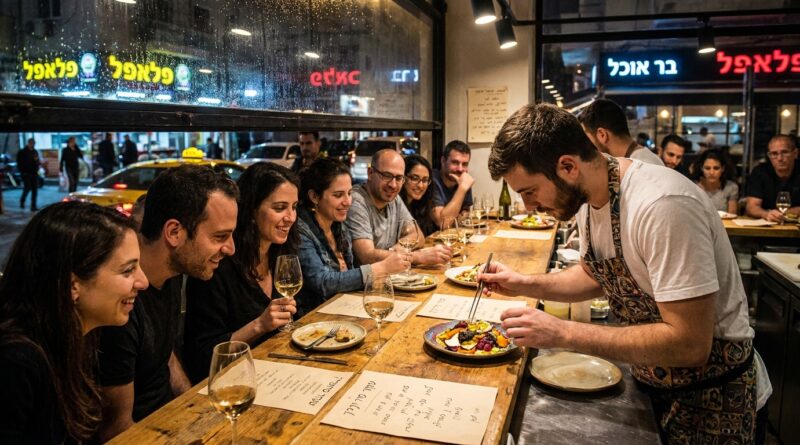
Israel’s New Chef-Run Tasting Counters: The One-Night-Only Menus You Have To Catch Before They Disappear
You know the feeling. You book a trip to Tel Aviv or Jerusalem, line up a few famous restaurants, and then someone says, “Too bad, the really exciting thing was a 12-seat counter that ran for two nights last week.” That is the frustration now. Israel’s food scene moves fast, and some of the best meals are no longer tied to big permanent dining rooms. They happen at chef-run tasting counters, hidden seats inside wine bars, guest-chef takeovers, and short pop ups that can vanish before the travel blogs catch up. The good news is that this is not random chaos. There is a pattern to where these dinners appear, who is cooking them, and how to spot them before they sell out. If you want the real answer to new chef tasting counters and pop up restaurants Tel Aviv Jerusalem 2026, stop chasing old “best restaurant” lists. Start tracking the small formats where chefs are testing ideas right now.
⚡ In a Hurry? Key Takeaways
- The most exciting new meals in Tel Aviv and Jerusalem are often limited-run tasting counters and pop ups, not major permanent openings.
- Follow chefs, wine bars, boutique hotels, and bakery-cafes on Instagram and booking platforms, then book fast when a menu drops.
- Check cancellation terms, dietary fit, and exact location before paying, because many of these events are prepaid and may move or change menus at short notice.
Why the best new meals are getting smaller
For chefs, a counter is quicker to open than a full restaurant. Fewer seats. Lower risk. More freedom. They can try a menu built around blue crab one week, Galilee produce the next, then switch to a late-night grill format after that.
For diners, that means a more direct meal. You are closer to the cooking. You often hear the chef explain a dish, pour the sauce, or swap out a course on the fly because a better fish arrived that morning.
It also means urgency. These places can run for one night, one weekend, or one month. If you wait for a glossy roundup to mention them, you are already late.
What “chef-run tasting counter” means in Israel right now
The phrase covers a few different formats, and it helps to know which one you are looking at.
Permanent counter, changing menu
This is the easiest model to catch. The counter exists full-time, but the menu shifts weekly or seasonally. Think 8 to 16 seats, one or two seatings, and a chef using the format almost like a live test kitchen.
Residency inside another venue
A chef takes over a bar, hotel courtyard, bakery, or wine shop for a short run. These are often the most interesting because they mix a strong food point of view with an existing drinks crowd.
One-night collaboration dinner
These sell out fastest. Two chefs. One guest bartender. Maybe a natural wine importer. Maybe a bakery doing desserts. Great if you like being first. Less ideal if you want a calm, predictable dinner at 9:30.
Friends-and-regulars pop up that opens to the public
This is the whisper-network meal. It starts as an insider event, then a few seats quietly open online. If you see one, book first and ask questions second.
Where these counters are showing up in Tel Aviv
Tel Aviv is still the faster-moving city for pop ups. Not because Jerusalem lacks talent, but because Tel Aviv has more bars, more casual hospitality spaces, and more diners who will book a Tuesday 10-seat tasting menu with two hours’ notice.
Florentin and the southern neighborhoods
This is where chefs often test lower-formality ideas. Expect smoke, fire, fermentation, seafood, sandwiches turned into tasting courses, and menus that feel playful instead of polished.
These events often happen inside bars and all-day cafes after regular service ends. The room may look casual, but the food can be very serious.
Levinsky, Kerem, and market-edge streets
Watch for counters built around produce, pickling, pastry, and regional cooking. Chefs working near markets can change menus fast because the supply is right there. That gives you some of the sharpest seasonal cooking in the city.
Hotel bars and rooftops
Not always cheap, but useful. Hotels have the infrastructure that lets a guest chef step in for two nights without building a whole operation from scratch. These are often easier for travelers to book because the reservation systems are more organized.
Where to look in Jerusalem
Jerusalem moves a little differently. The meals can feel more rooted, more place-driven, sometimes more restrained in style, but no less ambitious.
Machane Yehuda orbit
The market remains the natural launch point. Small counters nearby can pull from the market’s daily rhythm, and chefs here often build menus that mix local produce, open-fire cooking, and a stronger sense of tradition.
Boutique hotels and cultural spaces
Jerusalem’s short-run chef dinners often show up in elegant, slightly tucked-away venues. You may see tasting events tied to wine programs, guest-chef weekends, or festival periods.
Chef homes and semi-private spaces
Jerusalem still has a stronger private-dining streak than Tel Aviv. Some of the best meals may happen in courtyards, studios, or event rooms that are only partly public. These are worth the effort if you want something memorable, but check the details carefully before you book.
Who is behind them
Not every exciting dinner comes from a celebrity chef. In fact, many of the best new counters are being run by one of three groups.
Restaurant alumni
These are chefs who trained at top kitchens and are now trying a smaller format before opening something bigger. Often, this is where you find the most hunger and the clearest point of view.
Pastry chefs crossing into savory
This sounds niche, but it matters. Pastry-trained chefs often bring discipline, balance, and texture to tasting menus. Their pop ups can be some of the most surprising meals around.
Bar chefs and collaboration-heavy cooks
These chefs are comfortable in loose, fast-changing formats. They thrive on one-off menus and often pair food with cocktails, cider, or natural wine rather than classic fine-dining service.
What the food looks like in 2026
If you are trying to decide whether a menu is worth grabbing, here are the styles showing the most energy right now.
Local produce, less lecture
Chefs are still using beautiful local ingredients, but the tone is looser. Less speechifying. More flavor. Better tomatoes, better herbs, sharper pickles, cleaner fish cookery.
Fire and fermentation
This trend is not going away. You will see smoked dairy, charred cabbage, grilled fish collars, fermented condiments, and breads with long fermentation. When it is done well, it adds depth. When it is overdone, every plate tastes like the same campfire. Read the menu language closely.
Regional food with fine-dining technique
One of the strongest directions in both cities is food that draws from Palestinian, North African, Balkan, Yemenite, Persian, and broader Levantine home cooking, but served in a tighter, more modern tasting format.
Seafood-led small menus in Tel Aviv
In Tel Aviv especially, some of the most exciting counters are stripping things down. Fewer courses. Better fish. Strong wine list. High confidence. If you see a short seafood tasting menu with a chef you trust, it is often a very good bet.
How to actually find these places before everyone else
This is the part most guides miss. You do not need secret access. You need a system.
Follow chefs, not just restaurants
A restaurant account may post polished announcements late. A chef’s personal Instagram often shows a test dish, a guest shift, or a booking link much earlier.
Track venues that host chefs
Wine bars, boutique hotels, bakery-cafes, bottle shops, and cocktail bars often act like mini stages for pop ups. Follow the host venues too.
Check reservation platforms at odd hours
Some drops appear late at night or mid-morning. If a booking page shows only waitlist slots, join anyway. Tiny events often get last-minute cancellations.
Use stories and mailing lists
Yes, it sounds basic. It works. Stories often carry the first booking link. Mailing lists sometimes get early access before public posts go live.
Message politely
If details are unclear, ask. Many of these events are run by small teams. A short message asking about language, dietary options, or whether solo diners can book the counter is completely normal.
How to tell if a pop up is worth your money
Not every hard-to-book dinner is good. Scarcity is not quality. Use a quick filter.
Look for a clear cooking identity
If the menu reads like a random list of luxury ingredients, be careful. If it sounds like a chef knows exactly what kind of food they want to cook, that is more promising.
Count the seats
Eight to 16 seats often means focus. Forty “counter-style” seats usually means it is just a small restaurant using trendy language.
Check drink fit
Some meals are built around natural wine. Others around cocktails or low-intervention pairings. Make sure the beverage style matches your mood and budget.
Read the cancellation terms
This matters more than people think. Many of these bookings are prepaid and nonrefundable within 48 to 72 hours. If your flight changes, you may be stuck.
Tips for visitors who only have one or two nights
If you are flying in and want one meal that feels current, do not spread yourself too thin.
Book one anchor, leave one night flexible
Reserve one solid place in advance, then leave another evening open for a counter or pop up that appears closer to your trip.
Choose neighborhood clusters
In Tel Aviv, aim for areas with bars and late-night energy so a missed reservation does not ruin the night. In Jerusalem, build around market zones or hotel districts where you have backup options nearby.
Lunch can be the smarter play
Some chefs test daytime formats before doing a full dinner run. Lunch counters can be easier to get into and sometimes better value.
Common mistakes people make
The biggest one is treating these events like standard restaurants. They are not.
Menus may change that day. Start times may be firm because every guest is served together. Dietary substitutions may be limited. The location may be inside another business with a different name on the door. If you go in expecting a normal reservation, you can end up confused or annoyed.
The second mistake is relying on stale lists. For this corner of the food world, six months is old. A venue can be hot, closed, moved, or reworked by then.
At a Glance: Comparison
| Feature/Aspect | Details | Verdict |
|---|---|---|
| Tel Aviv counters | Faster turnover, more bar-based pop ups, seafood, fermentation, late announcements, strong collaboration culture. | Best for diners who want the newest, buzziest format and can book fast. |
| Jerusalem pop ups | More rooted style, market-linked sourcing, boutique hotel events, private or semi-private dinners, often more sense of place. | Best for diners who want atmosphere, story, and regional depth. |
| Booking strategy | Follow chefs and host venues directly, join waitlists, keep one evening open, confirm payment and cancellation rules. | The smartest way to catch the meals that matter this week, not last year. |
Conclusion
If Israel’s dining scene has felt hard to pin down lately, that is because the center of gravity has shifted. The big names still matter, but some of the most exciting eating in the country now happens at small chef-run counters and short-run pop ups in Tel Aviv and Jerusalem. They change menus weekly. Sometimes they last only a night or two. Once you know where they appear, which chefs are driving them, and what kind of food they are cooking, the whole scene gets easier to read. Then you can stop chasing outdated guides and start booking the compact, high-signal meals that actually define Israel’s food scene right now.