Tel Aviv’s New Food Fair That Eats Like a Restaurant Crawl: Inside the Dizengoff Center Pop‑Ups You Can Only Taste This Week
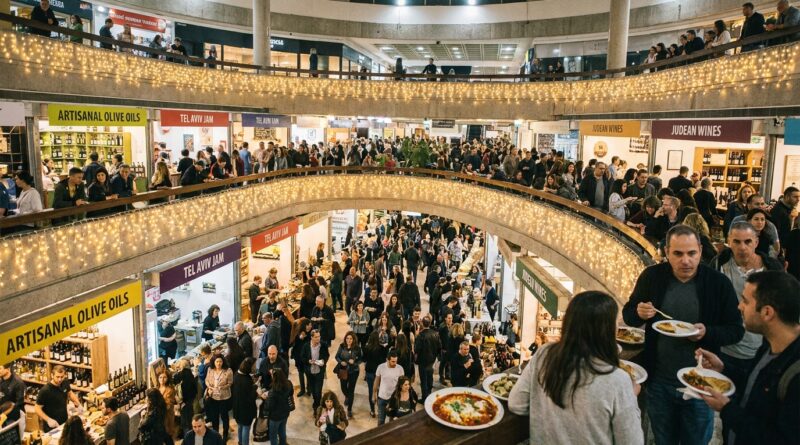
You know the drill. A new Tel Aviv place pops up, your group chat goes wild, and by the time you finally try to book a table, the reservations are gone and the city has already moved on to the next obsession. That is exactly why the new food fair Dizengoff Center Tel Aviv 2026 feels so useful right now. Instead of chasing one hard-to-book restaurant, you get a short-run, under-one-roof tasting crawl through small producers, market cooks and early-stage food concepts from around Israel. The event, called “Raising Up the Self-Employed,” is not just another crowded market where you wander and hope for the best. If you go in with a plan, it can be one of the smartest meals out this week. Start light, ask questions, split dishes, and treat it like a progressive dinner. You will eat better, spend smarter, and probably leave with two or three names you will be hearing a lot more about later.
⚡ In a Hurry? Key Takeaways
- The new food fair Dizengoff Center Tel Aviv 2026 is best approached like a restaurant crawl, not a one-stand meal.
- Go early, share plates, and build your night in stages: snack, savory, main bite, sweet, then take-home pantry buys.
- This is one of the better-value ways to support small food businesses right now, but the window is short and the best stands will draw lines.
Why this fair matters more than the average pop-up
There are plenty of food events in Tel Aviv. Most are either too broad, too expensive, or so busy that you spend half the night standing in line and the other half wondering if you actually picked the right stand.
This one is different because it solves a very current problem. People still want a good night out, but many are watching what they spend and do not have the patience for reservation games. At Dizengoff Center, the fair brings together self-employed food makers and newer concepts in one place, which means you can sample what feels fresh without committing to a full dinner at one unproven spot.
That makes it useful in a very practical way. You are not just eating. You are testing. You are figuring out what is worth following after the fair ends.
How to approach it so it feels like a great meal, not a food court
Step 1: Do not start with the heaviest thing you see
This is the most common mistake at any fair. You arrive hungry, order the richest dish in sight, and ten minutes later your evening is basically over.
Instead, start with one or two smaller bites. Look for a stand doing something sharp, crunchy, acidic, or grilled. A good opening bite should wake you up, not knock you out.
Step 2: Share almost everything
If you are with one other person, split four to six items over the course of the night. If you are with three or four people, even better. This fair works best when everyone agrees in advance that no one is getting territorial about a plate.
Think of it as a tasting menu you build yourselves.
Step 3: Save your full appetite for the middle
Once you have sampled a few lighter things, then move to the stand with the dish that looks like a real main event. This could be a sandwich, a stuffed bread, a deeply cooked stew, a pasta, or a serious grill plate. The point is to make this your center, not your starting line.
Step 4: End with dessert, then pantry shopping
Sweet things always look tempting early. Resist. Dessert is your finish. After that, if there are bottled sauces, pickles, spreads, pastries, or packaged goods from the makers, buy those last. You will shop more clearly after you know what you actually loved.
Which stands to hit first
Because pop-up lineups can shift and the strongest sellers tend to develop queues fast, use a simple filter instead of hunting specific names on your phone all night.
Look first for these three categories
1. The stand with a short menu. If a stand is selling one to three things, that is usually a good sign. Focus tends to taste better than range at an event like this.
2. The stand where the maker is actually talking to people. One of the best parts of this fair is access. If the person behind the concept is there explaining the dish, the sourcing, or why they started the business, stop and listen. You are getting context you would never get from a normal reservation.
3. The stand with a line made of industry-looking people, but not an impossible line. You know the type. Cooks off shift, food people, curious regulars. If they are hovering around a booth early, pay attention. Just do not burn 40 minutes on your first stop.
A smart route for a progressive meal
If you want your visit to feel polished instead of random, use this order.
First course: bright and fast
Start with something pickled, fried, raw, or herb-heavy. Small baked goods, dumplings, market salads, handheld snacks, or little skewers all work well here.
Second course: one dish with depth
Now choose the stand doing something slow-cooked, smoked, stuffed, braised, or layered. This is where you decide whether a concept feels like it could become a destination restaurant later.
Third course: the crowd favorite
After that, spend your line-waiting energy on the stand everyone keeps talking about. By this point you have enough food in you to wait without getting cranky.
Fourth course: dessert with personality
Skip generic sweets. Go for a dessert stand with a point of view. Maybe it is a regional pastry, a small-batch ice cream idea, a bakery doing one thing very well, or a home-style sweet with a modern twist.
How to spot tomorrow’s restaurant before everyone else does
This is where the fair gets fun. A lot of people go just to eat. The better move is to eat and scout.
Ask simple questions. Where are they cooking normally. Is this dish part of a larger menu. Are they planning a permanent spot. What ingredient are they most proud of. You will learn a lot from a two-minute conversation.
In many cases, the strongest sign of future success is not flashy plating. It is clarity. If the maker can explain exactly what they do, why it matters, and how they want people to feel when eating it, that is often the concept that sticks.
Budget tips so the night still feels worth it
It is easy to overspend at a food fair because each purchase looks small on its own. Then you check your card later and realize your “casual tasting night” somehow became a full fine-dining bill.
Use the 3 plus 1 rule
Buy three things to eat on site, then one item to take home. That keeps the night focused and stops impulse spending.
Split a star dish instead of ordering duplicates
If one item is clearly the must-try, get one first. You can always go back. Most of the time, one shared dish tells you everything you need to know.
Drink water between stands
Simple, but it helps. You pace yourself better, your palate stays sharper, and you are less likely to order badly just because you are overheated or thirsty.
Best time to go
If you can, aim for the earlier side of service. You will get cleaner access to the makers, shorter lines, and a better shot at limited dishes that sell out. Late peak hours have energy, sure, but they also bring crowd fog. If your goal is to actually taste thoughtfully, earlier wins.
Who this fair is best for
This is a strong pick for curious eaters, date nights that need less pressure, small groups who like sharing, and anyone tired of paying premium prices for hype without context.
It is also a good fit for people who want their spending to do something useful. Supporting self-employed cooks and producers is not an abstract nice idea right now. It is direct. You taste the work, meet the people, and put money where it counts.
At a Glance: Comparison
| Feature/Aspect | Details | Verdict |
|---|---|---|
| Variety | Multiple small producers, market cooks, and emerging concepts under one roof for a limited time. | Excellent for tasting widely without committing to one booking. |
| Value for money | Best when you share dishes and plan a route. Can get pricey if you order impulsively at every stand. | Good value if you treat it like a curated crawl. |
| Chance to discover new talent | High. Many makers are present, so you can ask questions and get a feel for what may become tomorrow’s restaurant hit. | One of the strongest reasons to go this week. |
Conclusion
If you have been burned out by overbooked restaurants, overhyped openings, or just the effort of planning a big night out, this is a much easier yes. The “Raising Up the Self-Employed” fair at Dizengoff Center gives you a rare short-window chance to try a wide mix of interesting food in one place, meet the people behind it, and decide for yourself what is actually worth the buzz. In a year when lots of Israelis are still being careful with both money and energy, that matters. Go with a plan, build your meal in stages, talk to the makers, and do not try to eat everything. Do that, and the new food fair Dizengoff Center Tel Aviv 2026 stops feeling like a noisy event and starts feeling like one of the smartest, tastiest nights out in the city right now.