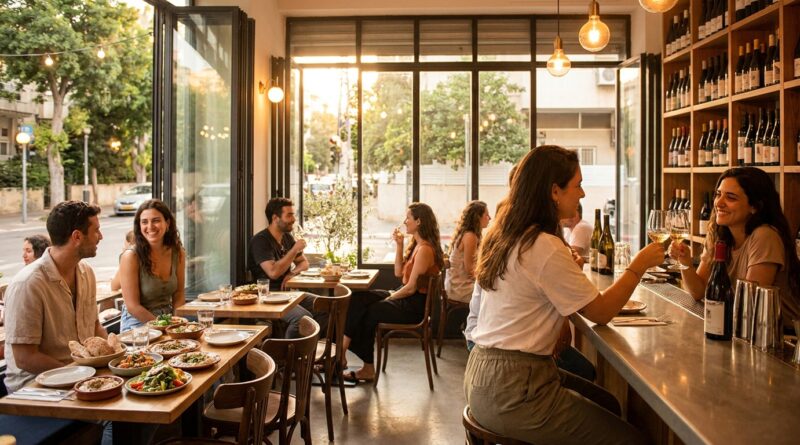
Israel’s New Neighborhood Wine Bars: The Casual Tel Aviv & Jerusalem Openings Where Dinner Starts With The Bottle
You do not need another impossible reservation, another tasting menu that somehow costs more than your electric bill, or another “important” restaurant where everyone looks slightly tense. Most people just want a good night out. A place where you can walk in, split a bottle, order a few smart plates, and still feel like you ate somewhere that cares about food. That is why the most useful openings right now in Israel are the new wine bars. In Tel Aviv and Jerusalem, the best fresh spots are not trying to be grand. They are small, warm, and built for real life. You sit close, order what sounds good, and dinner starts with the bottle instead of a lecture. For anyone searching for new wine bars Tel Aviv Jerusalem 2026, this is the sweet spot. Better value, lower pressure, and a much better chance of getting a table on a random weeknight.
⚡ In a Hurry? Key Takeaways
- The smartest new openings in Tel Aviv and Jerusalem right now are casual wine bars with serious kitchens, not formal chef temples.
- For the best value, go with 2 to 3 shared plates plus one bottle, and book early for Thursday but try walking in Tuesday or Wednesday.
- These spots usually stretch a budget better than tasting-menu restaurants, but check corkage, seating style, and portion size before you go.
Why wine bars are suddenly the better restaurant move
The shift makes sense. People still want quality, but they do not always want ceremony. They want comfort, flexibility, and a bill that does not ruin the rest of the month.
That is where the new wave of neighborhood wine bars comes in. These places tend to do three things well. First, they keep the mood relaxed. Second, they offer bottles and by-the-glass lists that feel curated instead of generic. Third, they serve food that is far better than the phrase “bar snacks” suggests.
Think crudo, grilled vegetables with sharp dressings, one very good pasta, maybe a roast chicken for the table, and desserts that feel homemade in the best way. It is restaurant cooking without the performance.
If this sounds familiar, it connects to the same dining mood behind Israel’s New War‑Time Comfort Kitchens: The Restaurant Openings Quietly Bringing Israelis Back To The Table. Diners want places that feel grounding, welcoming, and worth the money.
What to look for in the best new wine bars Tel Aviv Jerusalem 2026
1. A short menu that still feels complete
A good wine bar menu should not read like a novel. You want 10 to 18 dishes, tops. Enough range for a full meal, but not so much that the kitchen is clearly trying to please everyone.
The strongest new places usually offer a clean mix. A few cold plates. A few vegetable dishes. One or two seafood or meat options. One comforting larger plate. That balance matters because it lets you build your own night, from light drinks to full dinner.
2. Staff who guide instead of showing off
You should be able to say, “We want something fresh under 220 shekels,” and get a useful answer. No wine speech. No attitude. Just help.
This is the hidden difference between a place you revisit and a place you forget. Friendly guidance saves money and makes ordering easier for people who like wine but do not collect tasting notes in a notebook.
3. Seating that works for actual people
Romantic is nice. Cramped is not. Before booking, check whether the room is mostly bar stools, tiny sidewalk tables, or proper seating. Great wine bars can be noisy, and that is fine, but if you are bringing parents, out-of-town friends, or anyone who wants to hear the conversation, the layout matters.
4. Real food, not filler
The best sign of a serious kitchen is when at least one dish could stand alone in a full restaurant. Maybe it is a beautifully roasted fish. Maybe it is perfect bread with cultured butter and anchovy. Maybe it is a schnitzel sandwich that should not be that good but absolutely is.
If every dish sounds like garnish for alcohol, skip it.
Tel Aviv: where the casual wine-bar boom feels most natural
Tel Aviv was built for this format. Dense neighborhoods, late hours, walk-in culture, and diners who want options without committing to a giant meal.
Best for spontaneous weeknights
Look for the smaller openings just off the main strips, not only the most hyped corners of Levinsky, Florentin, or central boulevards. The pattern is usually the same. The headline spots get all the posts. The quieter side-street places are where you actually get seated.
A strong new Tel Aviv wine bar tends to shine on Tuesday and Wednesday. The room is lively but not packed. The kitchen is focused. You can order one bottle, realize you are hungry, and keep going without feeling trapped in a formal dinner structure.
What Tel Aviv does especially well
Natural wines and low-intervention bottles are still common, but the best new bars are getting smarter about balance. They usually mix funky local labels with cleaner European bottles and a few easy crowd-pleasers. That matters because not everyone wants their first glass to taste like a science project.
Food-wise, Tel Aviv bars often lean bright and sharp. Raw fish. Tomato-heavy dishes. Charred greens. Good bread. Pastas with real bite. The mood is casual, but the cooking can be exact.
Jerusalem: quieter openings, stronger sense of discovery
Jerusalem’s wine-bar scene often feels more intimate. Less rush. More neighborhood energy. A good opening here can become your place very quickly, especially if it lands near the market, a residential pocket, or one of the city’s growing evening zones.
Best for visiting friends and low-key celebrations
Jerusalem wine bars often hit that rare middle ground. Special enough for a birthday dinner. Relaxed enough for a last-minute meet-up. This is useful during holiday periods, when the city’s better-known restaurants fill up fast and start to feel like logistics problems instead of fun.
What Jerusalem does especially well
Warm service and comfort-driven plates. You will often find menus that pair very well with a bottle without trying too hard. Think baked things, roasted things, slow-cooked things, and seasonal vegetable dishes that feel satisfying instead of token.
Jerusalem also rewards curiosity. Some of the best new openings do not look flashy online. They just feel right once you are inside.
How to get the most value from a wine-bar dinner
Order in stages
Do not over-order in the first five minutes. Start with the bottle and two plates. See how the portions land. Then add one substantial dish if needed. This sounds simple, but it is the easiest way to avoid the “we somehow spent 480 shekels and are still not sure what happened” problem.
Use the bottle as the anchor
At many of these places, a thoughtfully chosen bottle is a better deal than several glasses. If two people are dining and plan to stay awhile, this is often the sweet spot for both budget and enjoyment.
Ask for the underrated dish
Every good wine bar has one thing regulars quietly know to order. Not the obvious burrata. Not the photogenic tartare. The dish the staff would actually eat after service. Ask that question. You often get the best answer on the menu.
Go early, or go late
If you want to walk in, aim for the first seating or the post-rush hour. In Tel Aviv, that might mean before 8 or after 10. In Jerusalem, earlier often works better. This matters much more than people think.
Who these places are actually perfect for
Not every night calls for a destination restaurant. These new wine bars are ideal for:
- Couples who want something nicer than a cafe but less heavy than a full chef dinner.
- Friends meeting midweek without planning two weeks in advance.
- Visitors who want a meal that feels local and current.
- Diners trying to spend wisely without settling for boring food.
That last group is probably the biggest right now. With prices up and patience down, people want dinner to feel worth it. Not extravagant. Worth it.
Small warning signs before you book
There are a few things to watch for.
If the wine list is long but the food menu feels lazy
A serious wine bar should still care about what lands on the plate. If the menu reads like an afterthought, it probably is.
If every table looks uncomfortable
Pretty interiors do not always mean pleasant dining. Tiny stools and crowded counters can be fun for one quick glass, less so for a full dinner.
If the pricing makes no sense
You should not need a calculator to understand whether a casual night out is still casual. Some places quietly creep into fine-dining prices while pretending to be neighborhood spots. Check menus online when possible.
At a Glance: Comparison
| Feature/Aspect | Details | Verdict |
|---|---|---|
| Tel Aviv vibe | Faster pace, more walk-in energy, sharper wine trends, often brighter and lighter plates. | Best for spontaneous weeknights and diners who like variety. |
| Jerusalem vibe | Cozier rooms, more intimate feel, comfort-leaning food, good for slower evenings. | Best for low-key celebrations and hosting visitors. |
| Value vs formal restaurants | Shareable plates, flexible ordering, easier bottle pricing, less pressure to commit to a big fixed meal. | Usually the smarter budget play if you still want quality. |
Conclusion
If you have been burned by expensive dinners that felt stiff, forgettable, or impossible to book, this is the better lane to be in right now. The most useful new openings are the wine bars that feel easy but cook seriously. They give you room to spend less, order flexibly, and still leave happy. That matters. Especially now. With the economy tight and the holidays packing out classic venues, knowing which new wine bars in Tel Aviv and Jerusalem actually work for a spontaneous night out means fewer wasted shekels and more evenings that feel like your own great find, before everyone else catches on.