Israel’s New Backyard Bistros: The Secret Home Restaurants Everyone Is Whispering About
You know that feeling when every “must-book” spot in Tel Aviv or Jerusalem starts to blur together. Same loud room. Same small plates. Same bill that makes you blink twice. And lately, the hardest part is not even choosing where to eat. It is finding somewhere that still feels personal. That is why so many diners are quietly turning to the new home restaurants in Israel, tiny supper clubs and backyard bistros run out of real homes by chefs, bakers, and grandmothers who care more about feeding people well than building hype.
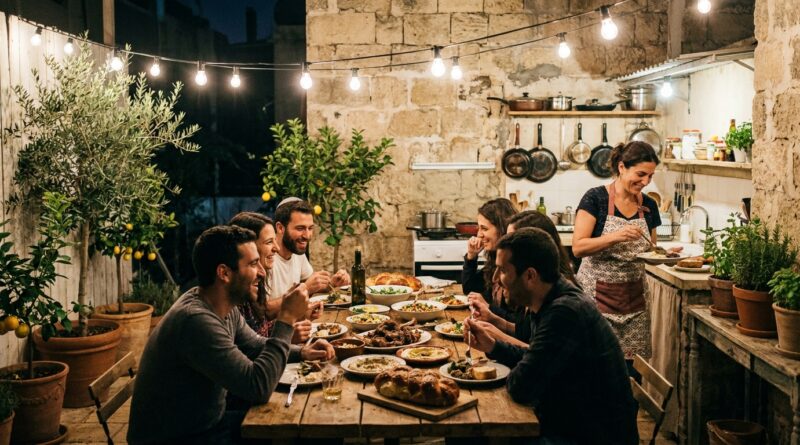
These places are not polished in the usual restaurant way, and that is the point. You might eat in a Jaffa courtyard, a Haifa apartment, or a kibbutz garden with eight other guests. Menus are often seasonal, WhatsApp-only, and sometimes a little improvised. But the payoff is huge. Better conversation, deeper local flavor, and the thrill of finding a place before everyone else does. If you are tired of the usual restaurant lists, this is where Israel’s most interesting meals are starting to happen.
⚡ In a Hurry? Key Takeaways
- New home restaurants in Israel offer intimate, chef-led meals in apartments, courtyards, and backyards, often with better value and more character than big-name hotspots.
- The best way to find them is through Instagram, WhatsApp groups, local foodie pages, and word of mouth. Book early and message politely.
- Because many are tiny and semi-formal, always check dietary needs, cancellation rules, accessibility, and exact location before you go.
Why these home bistros are suddenly everywhere
A lot of people in Israel’s food world are adjusting on the fly. Rents are high. Foot traffic can be unpredictable. Opening a standard restaurant is expensive, risky, and for many cooks, simply out of reach.
So they are starting smaller. Much smaller.
A young chef might host 10 guests on a Friday night from a garden kitchen. A retiree with a reputation for incredible Kurdish food might open her courtyard once a week. A pastry chef between bigger jobs might turn a dining room into a tasting space.
For diners, that means access to food that would never survive a polished commercial model. Slow dishes. Family recipes. Regional menus. Tiny batches. More talking, less posturing.
If you have already noticed the shift toward smaller, more personal nights out, it connects nicely with Israel’s New Chef-Owned Wine Bars: The Tiny Tel Aviv Spots Quietly Redefining Dinner Out. The same mood is driving both trends. People want soul, not just scene.
What a home restaurant in Israel actually looks like
Do not expect a printed menu and a host stand.
Most of these places live somewhere between a supper club, a pop-up, and a family dinner with very good lighting. Some are legal businesses operating in a limited way. Others are more casual and still figuring things out.
Common setups you will see
Apartment dinners. Usually one long table, a set menu, and one seating a night.
Backyard bistros. Popular in moshavim and kibbutzim, especially for grilled food, seasonal salads, and weekend lunches.
Chef tables at home. More polished, often with tasting menus and wine pairings.
Grandma kitchens. Less branding, more heart. These can be some of the best meals you will eat anywhere.
Hybrid spaces. A bakery by day, private dinner spot at night.
Why the food often tastes better
There is less pressure to please everyone.
That sounds simple, but it matters. In a standard restaurant, chefs often need broad menus, fast turnover, and dishes that work every night for all kinds of customers. In a home bistro, they can cook what they know best.
That means:
- Menus built around what was fresh that week
- Recipes from one family or region, not ten trends mixed together
- Slower cooking methods that do not fit high-volume service
- Direct feedback from guests sitting a few feet away
You are not just eating dinner. You are often eating someone’s real food story.
How to find new home restaurants in Israel
This is the tricky bit. These places are often intentionally quiet. Some do not want too much attention too fast. Others are testing demand before committing to a bigger project.
Start with Instagram, but read carefully
Search terms like “home restaurant,” “chef dinner,” “ארוחות פרטיות,” “סלון קולינרי,” “pop-up dinner,” or the city and neighborhood name plus “אירוח.” Many hosts post dates in Stories, not regular feed posts, so check highlights too.
Use WhatsApp like a local
Many bookings happen through private message, not websites. Ask friends, hotel staff, local guides, or market vendors if they know of small dinners happening that week. In Israel, good food tips travel fast through chat groups.
Follow niche food pages, not just big influencers
The giant “best restaurants” accounts often miss these spots. Smaller local food writers and neighborhood pages are better at finding them early.
Look beyond Tel Aviv
Some of the most exciting home restaurants are in the Galilee, around Haifa, in village settings, in the Jerusalem hills, and on kibbutzim where hosting at home feels natural.
Watch for clue words
If a post mentions “limited seats,” “hosted in our home,” “seasonal dinners,” “weekend guest table,” or “private courtyard meals,” you are probably in the right territory.
How to book without being rude
This part matters more than people realize.
These are tiny operations. One no-show can wipe out the profit from the night. One demanding guest can throw off a whole service. So if you want these places to survive, treat them with a little extra respect.
Best booking habits
Be direct. Ask for date, price, dietary options, and payment method in one message.
Do not haggle. If a meal seems expensive, remember you are paying for tiny-scale cooking, not mass service.
Confirm your attendance. If they ask for a deposit, that is normal.
State dietary needs early. Do not wait until you sit down to mention gluten, kosher rules, or allergies.
Cancel as early as possible. These are not big dining rooms that can fill a table in ten minutes.
Things to check before you go
Because these are not standard restaurants, the practical details matter.
Ask these simple questions
- Is the meal communal or private?
- What neighborhood or region is it in?
- Is the address shared only after booking?
- Is it kosher, vegetarian-friendly, or allergy-aware?
- How long does the meal usually last?
- Is alcohol included?
- Are children welcome?
- Is there parking or public transit nearby?
- Is there a cancellation policy?
This is especially useful for travelers who may be arranging transport or trying to line up dinner with Shabbat timing.
Who these places are best for
Home bistros are not for every mood.
If you want a quick bite at 10:30 p.m. with zero planning, probably not. If you want polished anonymity, also probably not.
But they are brilliant for:
- Curious eaters who want something memorable
- Couples tired of noisy dining rooms
- Small groups celebrating something low-key
- Visitors who want regional cooking, not tourist-safe menus
- Locals who miss hospitality that feels human
Why this matters beyond one good meal
There is a bigger story here.
When you book one of these dinners, you are often helping someone rebuild. Maybe it is a chef priced out of the city. Maybe it is a family turning old cooking skills into income. Maybe it is a host using food to keep a small farm, bakery, or household afloat in a shaky economy.
And yes, there is a little thrill in finding talent early. Today’s backyard host can become tomorrow’s impossible reservation in Tel Aviv.
What to expect on the night
Expect warmth more than perfection.
You may be welcomed by the person who cooked everything. You may sit with strangers. The playlist may be homemade. The plates may not match. Service may be a beat slower than a professional dining room.
None of that is a bug. It is the format.
The best nights feel like being let in on a secret. You eat, ask questions, hear where the produce came from, and leave feeling like you found real life, not just another booking link.
At a Glance: Comparison
| Feature/Aspect | Details | Verdict |
|---|---|---|
| Atmosphere | Small guest count, personal hosting, often in homes, courtyards, or gardens | Best for diners who want intimacy and conversation |
| Booking Process | Usually via Instagram or WhatsApp, often with deposits and limited dates | A little extra effort, but worth it for unique meals |
| Food Experience | Seasonal menus, family recipes, regional dishes, direct chef contact | Often more distinctive than standard restaurant fare |
Conclusion
The new home restaurants in Israel are not just a clever workaround for a tough restaurant market. They are becoming one of the most rewarding ways to eat right now. Across the country, young chefs and veteran grandmas are skipping the usual model and opening tiny, half-legal home bistros in apartments, courtyards, and kibbutz backyards. For locals and visitors, that means a chance to taste truly regional food, support people rebuilding income in an uncertain economy, and spot serious talent long before it gets a prime Tel Aviv address. If you find one, book thoughtfully, show up on time, and go in with an open mind. The room may be smaller, but the experience is often much bigger.