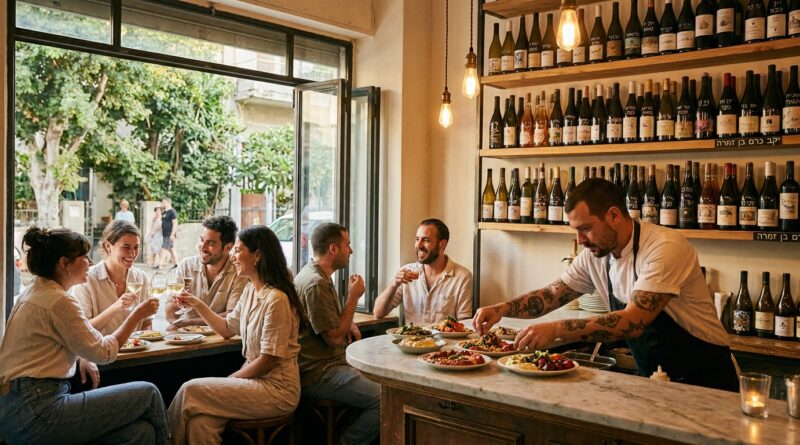
Israel’s New Chef-Owned Wine Bars: The Tiny Tel Aviv Spots Quietly Redefining Dinner Out
You know the routine. You open another “best restaurants in Tel Aviv” list and see the same polished dining rooms, the same chef names, the same reservation struggle. Meanwhile, the places locals are actually texting each other about are smaller, louder, and much more fun. Right now, the real story in Israeli dining is not the giant tasting menu spot. It is the tiny chef-owned wine bar, often with 20 to 30 seats, a short chalkboard menu, and a chef who is close enough to ask if you want one more plate. If you are searching for the best new wine bars Tel Aviv 2026 has to offer, this is where to start. These bars are changing what dinner out looks like in Tel Aviv, Haifa, and Jerusalem. Less ceremony. Better conversation. More room for surprise. And if you book smart, you can still get in before everyone else catches on.
⚡ In a Hurry? Key Takeaways
- The most exciting meals in Israel right now are happening in tiny chef-owned wine bars, not the big headline restaurants.
- Book early, sit at the counter if you can, and ask for the off-menu pour or newest plate. That is often the whole point.
- These spots can be excellent value compared with formal tasting restaurants, but menus change fast, so check Instagram or call before you go.
Why these tiny wine bars matter right now
There is a reason this format is taking off. It is cheaper to open, easier to change, and more personal for both chef and guest.
For diners, that means you get something many bigger restaurants slowly lose once they become famous. Energy. Curiosity. A sense that tonight might not be exactly like last week.
Instead of committing to a heavy, expensive dinner, you can build your own night. One glass. Two plates. Maybe four. Maybe you move on somewhere else after. It feels less like an event and more like how people actually want to eat now.
What makes a chef-owned wine bar different
The chef is not hidden in the back
At the best of these places, the chef is part of the room. They are plating at the bar, changing dishes mid-service, pouring tastes, and reacting to what regulars are ordering.
The menu is short for a reason
Do not mistake a 10-item menu for a lack of ambition. Usually it means the kitchen is focused. A few raw dishes, one or two hot small plates, something indulgent, something simple, and a dessert if the chef feels like it.
The wine list is doing real work
This is not just “house red or white.” These bars are leaning into Israeli natural wines, small local producers, bottles from the Galilee and Judean Hills, and smart imports that match the food without turning the bill into a crisis.
The local-first route. Where to focus your night
If your goal is to eat like an insider, split your search by city and by mood. That keeps you from chasing hype and helps you actually book something good.
Tel Aviv. For the full buzz
Tel Aviv is where the trend feels fastest and most crowded. The strongest new openings tend to share a few things. Counter seating, late hours, natural wine, and menus that mix local produce with just enough chaos to stay interesting.
Look for spots in Levontin, Florentin, the side streets off Rothschild, and the edges of Kerem Hateimanim. These neighborhoods are ideal for tiny rooms that can fill up on word of mouth alone.
The best move here is to reserve the earliest seating, around 7:30 or 8:00, then stay if the place has momentum. If you walk in after 9:30 on a Thursday expecting magic and empty stools, you are gambling.
Haifa. For a calmer, more experimental feel
Haifa’s newer wine bars often feel less performative and a little more relaxed. That is not a criticism. It is part of the charm. Chefs here can take risks without the constant pressure of the Tel Aviv spotlight.
If you like slower conversation, sharper pricing, and a crowd that is there to eat rather than be seen, Haifa is worth building a night around.
Jerusalem. For mood, depth, and surprise
Jerusalem’s tiny wine bars can be the hardest to read from the outside. Some look almost too quiet. Then you sit down, order one glass, and suddenly the room wakes up.
Expect stronger seasonal menus, serious interest in local wine, and a slightly more intimate rhythm. Jerusalem rewards patience. Do not rush through it.
How to spot the ones worth your time
Because these places are small, many can look great online for about two months, then lose focus. Here is a simple filter.
Good signs
The menu changes weekly or even daily. The wine list names producers, not just grapes. The chef or owner is physically present. The room is small but not cramped. People order another round and stay a little longer.
Warning signs
The place is chasing aesthetics more than hospitality. The wine is expensive but generic. Every plate tastes like it was designed for photos first. Nobody can explain the menu clearly. That usually tells you enough.
How to book these places without wasting a night
This is where many people get tripped up. Tiny wine bars sound casual, but the good ones are not easy walk-ins anymore.
Use Instagram, but do not rely on it alone
Instagram is often the first place a bar posts menu changes, pop-ups, closures, or chef collaborations. But direct message replies can be slow. If there is a phone number or reservation link, use that first.
Counter seats are usually the best seats
If you want the full chef-owned bar experience, ask for the counter. It is where you hear what just came in fresh, what bottle the staff is excited about, and what one-off dish may disappear in 20 minutes.
Go earlier than you think
At these spots, the room changes quickly. At 8:00 p.m. it can feel intimate. By 9:15, it can be packed and loud. Neither is wrong. Just pick the version of the night you want.
What to order if you do not want to overthink it
Start with one sparkling or bright white by the glass. Order two small plates you can share, one raw or cold and one hot. Then ask the staff what dish is most new, not what is most popular.
That question matters. In chef-led rooms, the newest plate is often where the excitement is.
If the staff offers a half glass taste before you commit to a bottle, say yes. These bars are built around discovery, not status.
How this fits into the bigger Israel dining shift
This move toward smaller, more personal dining is happening beyond wine bars. People want nights out that feel human again. Less polished script, more actual connection.
If that sounds familiar, it is because the same appetite is driving Israel’s rise in private and semi-private dining too. If you are curious about that side of the scene, Israel’s New Hidden Home Restaurants: The Invite‑Only Dining Rooms Rewriting ‘Going Out’ in 2026 is worth reading next.
A practical game plan for your next night out
If you live in Tel Aviv
Pick one new chef-owned wine bar as the main event, not three. These places are best when you slow down and let the night build. Book ahead, sit at the counter, and leave room in the budget for one extra plate you did not plan on.
If you are visiting for a short trip
Do not spend all your energy chasing the most famous reservation in town. One great tiny wine bar can give you a much clearer picture of what Israelis are excited about right now than a larger restaurant running on old reputation.
If you are watching your budget
This trend can work in your favor. You can often have a memorable night with two glasses and a few plates for less than a formal dinner elsewhere. Just check corkage, specials, and whether prices rise significantly on weekends.
At a Glance: Comparison
| Feature/Aspect | Details | Verdict |
|---|---|---|
| Atmosphere | Small rooms, counter seating, direct contact with chef or owner, louder and more intimate than classic restaurants | Best for diners who want energy and personality, not formality |
| Food and wine | Short changing menus, small plates, local wines, experimental pours, frequent specials | Usually more exciting than safer big-name menus |
| Planning and value | Harder to track, reservations fill quickly, but a full night can cost less than a destination restaurant meal | Worth the effort if you book ahead and stay flexible |
Conclusion
The smartest way to eat out in Israel right now is to think smaller. The hottest openings are no longer big, splashy dining rooms but 20 to 30 seat wine bars where young chefs are testing new menus every week, and yes, it is almost impossible to keep track of which ones deserve your time and money. That is exactly why a curated, local-first route matters. It gives you a real, bookable plan for your next night out, whether you live in Tel Aviv or are landing for a quick visit and want to eat like someone who knows the city, not someone following the same old guide. Start with one tiny bar, ask questions, order the new dish, and let the night surprise you.