Israel’s New Chef Swaps: The Pop-Up Nights Letting You Taste Tel Aviv In Haifa And Jerusalem In One Week
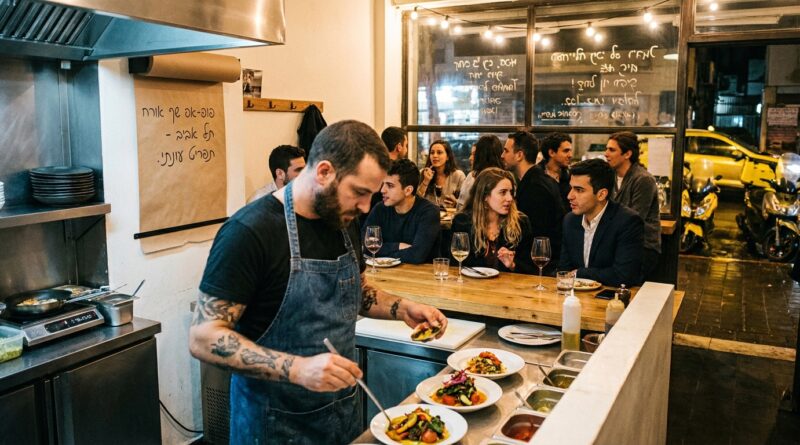
You know that annoying moment when you finally book the “must-try” Tel Aviv table, only to realize the whole city ate there three months ago. Worse, every reel, story, and listicle is still pushing the same place. Right now, the real action in Israel is not always in shiny permanent openings. It is in chef swaps, one-night takeovers, and short pop-up runs that move between Tel Aviv, Haifa, and Jerusalem before most people even hear about them. If you want the best new restaurant pop ups Israel 2026 has to offer, this is where to look. The smartest diners this week are chasing limited dinners where big-city chefs test dishes in a different crowd, often at lower risk and with more freedom. That means Tel Aviv talent cooking in Haifa, Jerusalem chefs trying fresh concepts up north, and menus that may never appear again. If you want bragging rights, sure. But more importantly, this is how you avoid stale recommendations and actually eat what locals are talking about now.
⚡ In a Hurry? Key Takeaways
- The best meals this week are often one-night chef collaborations in Haifa and Jerusalem, not the usual booked-out Tel Aviv addresses.
- Check host venues’ Instagram stories, reservation links, and chef pages daily because many pop-ups sell out fast and change details at the last minute.
- Pop-ups can be better value than headline restaurants, but always confirm seating, cancellation policy, kosher status, and dietary options before paying.
Why chef swaps are suddenly the thing
Israel’s food scene has gotten restless. Diners want something fresh, and chefs do too. Opening a full restaurant is expensive, slow, and risky. A pop-up is faster. It lets a chef test a menu, try a new city, meet a new crowd, and create buzz without signing a long lease.
That is why July 2026 feels different. Instead of waiting for major openings, people in the know are tracking short collaborations. A Tel Aviv chef lands in Haifa for one seafood-heavy night. A Jerusalem chef borrows a kitchen up north to try a smaller, sharper concept. The host venue gets attention. The visiting chef gets freedom. You get a meal with some actual urgency.
If this sounds familiar, it fits the same wider shift behind Israel’s New Hidden Home Restaurants: The Invite‑Only Dining Rooms Rewriting ‘Going Out’ in 2026. The point is simple. People are moving away from obvious, permanent, overexposed dining rooms and toward meals that feel more local, more temporary, and more personal.
What to look for this week
If your goal is to find the best new restaurant pop ups Israel 2026 is producing, stop searching only by restaurant name. Search by pattern. The best events often show up as collaborations, guest-chef nights, terrace takeovers, wine-pairing dinners, or “one-week residency” posts.
1. Tel Aviv chefs cooking in Haifa
This is one of the most interesting shifts right now. Haifa gives visiting chefs a different pace and a different audience. Menus often get bolder there. You are more likely to see grilled fish, smoked plates, market vegetables, and Arab-Jewish flavor mixes pushed in creative ways because the city naturally invites it.
Look for host spots in downtown Haifa, the port area, and the Carmel market orbit. These venues already have character, which means the chef can focus on the food instead of building a whole new atmosphere from scratch.
2. Jerusalem chefs testing lighter concepts up north
Jerusalem chefs often bring precision, comfort food depth, and strong seasonal thinking. When they pop up in Haifa or the north, they sometimes loosen up the format. Fewer formal tasting menus. More shared plates. More wine-bar energy. That makes these nights especially good for groups who want serious food without a stiff room.
3. Host venues with something to prove
Sometimes the real clue is not the guest chef. It is the host. A bar that recently expanded its kitchen, a boutique hotel with a quiet courtyard, or a neighborhood restaurant trying to level up can become the stage for the best meal of the week.
How to spot the good pop-ups before they go public
This is where most people miss out. Google is too slow for this kind of dining. By the time a roundup appears, the seats are gone.
Follow chefs, not just restaurants
Chefs usually tease these events on personal Instagram accounts before the venue makes a clean announcement. Check tagged photos too. Sometimes the host shares the poster second.
Watch stories, not just feed posts
Stories are where time, location, and booking details often appear first. Annoying, yes. But that is the system right now.
Scan reservation links for odd dates
If a familiar venue suddenly shows a Tuesday with a fixed menu and one seating time, that is often your clue. Pop-ups hide in plain sight.
Join the right WhatsApp circles
A lot of these dinners spread through friend networks, wine clubs, local hospitality groups, and repeat customers. If you have one favorite bartender, sommelier, or host, ask them what is coming up. Politely. That still works better than any app.
What these pop-up dinners usually cost
Prices vary, but many chef swaps sit in a sweet spot. More special than a normal dinner, less punishing than a flagship tasting menu in central Tel Aviv.
Expect a few common formats:
- Fixed menu with 5 to 7 courses
- Shared plates with optional wine pairing
- Single seating with prepaid tickets
- Late-night bar menu after the formal service
The value can be excellent if the chef is testing ideas that later move into a pricier permanent restaurant. In plain English, you may be eating the future menu before it gets famous and more expensive.
Questions to ask before you book
Pop-ups are exciting, but they can also be a little messy. Ask a few basic questions first.
Is it really one night only?
Sometimes “one night only” turns into three services over two days. Good for them. Still, it helps to know if you are racing for a seat or just reacting to marketing.
What is included in the price?
Service charge, wine pairing, bread course, and welcome cocktail are not always included. Check before paying.
What is the seating setup?
Communal tables can be fun. They can also be awkward if you expected a quiet date night.
Can they handle dietary needs?
Some guest-chef menus are flexible. Others are not. If you keep kosher, need vegetarian options, or have allergies, confirm directly.
What is the cancellation policy?
This matters more with pop-ups than normal restaurants because prepaid tickets are common and kitchens buy for a very exact headcount.
Best bets by city vibe
Haifa
Best for diners who want surprise, coastal produce, and a slightly more relaxed crowd. Haifa-hosted pop-ups often feel less performative and more fun.
Jerusalem
Best for chefs who want to build a story around ingredients, tradition, and seasonality. Expect more narrative in the menu and a little more structure.
Tel Aviv exports
Best if you like polish but want it in a less overexposed setting. A Tel Aviv chef outside Tel Aviv can be a sweet spot. Same talent, less noise.
How to decide if a pop-up is worth your night
Here is my simple rule. If the event gives you at least two of these three things, book it:
- A chef you already trust
- A host venue with a good track record
- A concept that sounds different from both of their normal menus
If it is just a famous name attached to a vague poster, slow down. Hype travels faster than quality. A good pop-up should feel specific. You should know why these people are cooking together, and why now.
At a Glance: Comparison
| Feature/Aspect | Details | Verdict |
|---|---|---|
| Chef swap format | A Tel Aviv or Jerusalem chef cooks at a host venue in another city for one night or a short run. | Best option if you want something current and hard to repeat. |
| Booking strategy | Use Instagram stories, chef pages, and direct reservation links instead of relying on Google or old guides. | Most effective way to catch seats before they disappear. |
| Value and risk | Often better value than a flagship restaurant, but details like seating, menu flexibility, and refunds vary. | Worth it if you confirm the basics before paying. |
Conclusion
If you are tired of recycled restaurant lists and overbooked “hot” places, this is the better move. Israel’s restaurant scene in July 2026 is shifting fast from permanent launches to low-profile collaborations and city-to-city chef swaps. By focusing on the specific pop-up dinners where a Tel Aviv name is cooking in Haifa or a Jerusalem chef is testing a new concept up north this week, you give yourself a real shot at eating what the industry is actually excited about now. Not what was exciting two months ago. Stay flexible, check details early, and book fast when a pairing looks right. That is how you eat ahead of the algorithm.