Israel’s New Chef-Cafés: The Casual All‑Day Spots Where Top Chefs Are Sneaking Back Into the Kitchen
You know the feeling. You finally get a free evening, you want somewhere stylish but not stuffy, and every list keeps pushing either a once-in-a-year tasting menu or a shawarma counter you already know. Meanwhile, the places locals are actually excited about right now tend to be the hardest to catch. By the time they show up in the big international guides, they are booked solid, full of visitors, and already a little removed from the neighborhood energy that made them special in the first place.
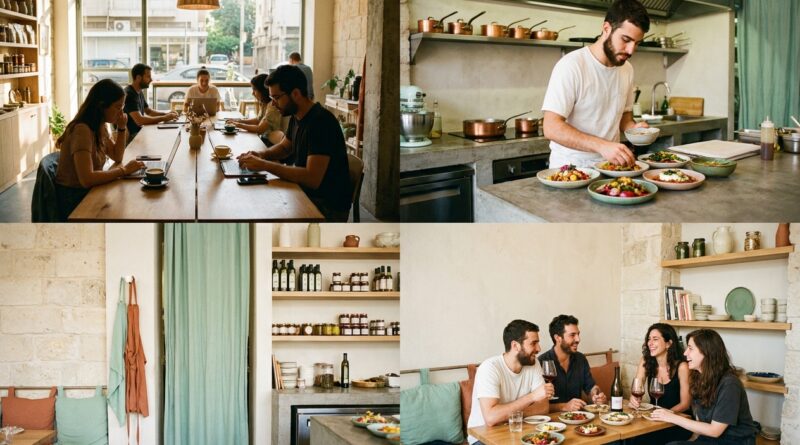
That is why the most interesting story in Israel’s dining scene right now is not only fine dining. It is the rise of the chef-café. These are relaxed, all-day places opened by serious chefs who are stepping back into the kitchen in a more personal way. Think excellent coffee in the morning, a sharp lunch menu, good wine by late afternoon, and simple dinner plates that still show real skill. If you are searching for new chef cafes Tel Aviv Jerusalem 2026, here is where the shift is happening, how to time your visit, and what to order before everyone else catches on.
⚡ In a Hurry? Key Takeaways
- The hottest new openings are chef-led all-day cafés, not formal tasting rooms, especially in Tel Aviv, Jerusalem, and the center.
- Go early for breakfast or late for lunch on weekdays if you want the best shot at a walk-in and the calmest service.
- These places usually offer better value than destination restaurants, but the smartest move is to order signature small plates and one daily special instead of overloading the table.
Why chef-cafés are suddenly the story
There is a real mood shift happening. After years of menus built for awards, long meal formats, and high prices, many talented chefs seem more interested in places people can actually use. Not just celebrate in. Use.
A chef-café works because it fits real life. You can drop in for a pastry and coffee, come back for lunch, and return later for a glass of wine and two plates. It feels local. It feels lived in. And when it is owner-run, you can usually sense that immediately.
That is also why these openings matter right now. They are where creative energy is moving. They reflect what people want to eat this year, not what they wanted two years ago.
What defines a good new chef-café in Israel right now
Not every nice café with good ceramics counts. The stronger new spots share a few things.
All-day rhythm
The menu changes with the clock. Morning means bakery items, egg dishes, maybe a smart sandwich. Lunch adds vegetables, fish, pasta, or a grill special. Dinner stays casual but more wine-friendly.
A chef’s hand without the lecture
The food is thoughtful, but it does not arrive with a speech. You notice balance, technique, seasoning, and restraint. Nothing is trying too hard.
Prices that still feel sane
Affordable in 2026 does not mean cheap. It means you can eat well without turning dinner into a major financial event. That is a big part of the appeal.
A neighborhood first, destination second feel
The best ones still have regulars. That is the signal. If half the room looks like people who live or work nearby, you are probably in the right place.
Where to look first: Tel Aviv, Jerusalem, and the center
Tel Aviv
Tel Aviv is still the fastest-moving market, but the mood has changed. Instead of giant openings with months of hype, more of the interesting chef projects are intimate. They open softly. They refine the menu in public. They build a crowd by repeat visits, not just splashy press.
In Tel Aviv, pay attention to places that open from early morning and stay useful all day. The winning format right now is strong coffee, a small bakery program, one or two standout lunch dishes, and a dinner menu built around produce, raw fish, roast chicken, pasta, or a very good schnitzel done with more care than usual.
The best time to go is often between 8:30 and 10:00 in the morning, or after 2:15 for a late lunch. Prime evening hours fill fastest once a place gets noticed.
Jerusalem
Jerusalem’s chef-café wave is a little different. Openings tend to feel more rooted in the city’s own rhythm, and in some cases the kosher market is where the most interesting movement is happening. If you are planning meals across the city as well as new café-style spots, it is worth bookmarking Jerusalem’s Newest Kosher Openings: 7 Buzz‑Worth y Spots Food People Are Talking About Before the Guides Catch Up, because it helps fill in the bigger picture.
In Jerusalem, crowd patterns can be more uneven by day of week and neighborhood. A place can feel calm at 11:30 and slammed by 1:00. Dinner can also start earlier than in Tel Aviv, especially when a café has become a local favorite.
The center
Do not ignore the areas between the obvious dining capitals. Some of the most pleasant new chef-cafés in the center are opening in spots where rent is lower, rooms are larger, and owners can build something more flexible. That often means better seating, easier parking, and a menu with fewer compromises.
If your goal is a relaxed meal rather than scene-chasing, these can be your smartest bets.
How to spot the places that are worth your time
Here is the quick filter I would use.
Check the opening hours first
If a chef says the place is all-day, the hours should prove it. A true chef-café is built for more than one meal period.
Read the menu for range, not size
You do not need a huge menu. In fact, smaller is usually better. But you do want signs of life across the day. Pastries. A serious sandwich. Seasonal plates. One or two dishes that show personality.
Look for owner presence
If the chef or partner is visibly on the floor or in the open kitchen in the first few weeks, that is usually a strong sign. It means standards are still being set in real time.
Watch what tables reorder
This is one of the oldest and best restaurant tricks. If multiple tables are getting the same tartine, roast fish, or custard dessert, pay attention.
What to order at a new chef-café
The mistake people make is ordering as if they are in a formal restaurant. Chef-cafés are usually better when you eat a little more lightly and a little more strategically.
At breakfast
Start with one baked item for the table, one egg or sandwich dish, and coffee. If the pastry program is strong, trust it. These places often use breakfast to show their hand early.
At lunch
This is often the sweet spot for value. Look for daily specials, vegetable plates, pasta, fish, or a set lunch if offered. Lunch is where many chefs reveal what the place is really about.
At dinner
Go for two or three smaller plates and one substantial dish to share. A lot of these places are at their best when the table feels loose and informal, not over-ordered.
Do not skip the obvious thing
If everyone says the roast chicken is great, or the tomato tart, or the schnitzel, just order it. Signature dishes become signatures for a reason.
Best times to go before the guides catch up
If you want insider access without stalking social media all day, timing matters more than anything.
First two to six weeks after opening
This is the ideal window. The room still has local curiosity. The kitchen is sharp. You can feel the excitement. But it has not yet become a checklist stop.
Weekdays beat weekends
That sounds obvious, but especially in Israel, Thursday night and Friday morning can turn a pleasant café into a full-contact sport. Tuesday and Wednesday are your friends.
Late breakfast and late lunch are underrated
Try 10:15 for breakfast or 2:30 for lunch. You often get better pacing, more staff attention, and a clearer read on the place.
Soft opening periods can be great value
Menus may be smaller, but prices are sometimes gentler and the energy is warmer. If you do go during this phase, be flexible. You are seeing the place before it fully settles.
Common mistakes people make with new openings
There are a few easy ways to ruin your own experience.
Going at the single busiest hour
If everyone online posted dinner at 8:30, that does not mean you should show up then without a booking and expect magic.
Ordering too much too fast
New kitchens need flow. Pace your order. Start with a few things. Add more if the meal is clicking.
Judging a place by one awkward service moment
A brand-new room may still be smoothing out staffing and timing. If the food is strong and the intent is clear, it can be worth a second visit.
Ignoring the coffee and pastry side
Some of these spots are strongest before noon. If you only go for dinner, you may miss half the point.
What makes these places good for locals and returning visitors
They solve a practical problem. You do not always want an expensive, formal meal. You also do not always want to eat standing up. Chef-cafés sit in the middle. That middle is where many people actually want to be right now.
They also let you support owner-run places early, before the economics get tougher and the room has to chase volume. That matters. So does the simple pleasure of being in a place that still feels like itself.
How to build a night around one
Keep it simple. Start earlier than usual. Get there for a glass, a snack, and one signature plate. If the room feels good, stay for more. If not, you have still eaten well and can move on.
That flexibility is part of the charm. A chef-café does not demand your whole evening. It earns more of it if it deserves to.
At a Glance: Comparison
| Feature/Aspect | Details | Verdict |
|---|---|---|
| Value | Chef-cafés usually cost far less than tasting-menu restaurants while still offering serious cooking and better ingredients than a standard neighborhood café. | Best choice for most nights out |
| Booking difficulty | New spots can get busy fast, but breakfast, late lunch, and early dinner often remain easier than prime-time fine dining reservations. | Manageable if you time it right |
| Atmosphere | Relaxed, local, and flexible. You can stay for coffee, a quick meal, or a full evening without feeling out of place. | The main reason to go |
Conclusion
If you have been frustrated by restaurant coverage that points only to luxury dining rooms or old standbys, this is the shift to watch. Israel’s food scene is moving toward approachable, chef-led all-day spaces where breakfast, coffee, lunch, and simple dinner plates can live under one roof and still feel exciting. That helps the community right now because locals and returning visitors do not need another impossible reservation. They need places with real energy, fairer pricing, and a sense of neighborhood life. By keeping an eye on the newest chef-cafés in Tel Aviv, Jerusalem, and the center, and by using basic timing tricks and ordering smart, you can eat where the momentum actually is tonight. Go early. Trust the signature dish. Support the owner-run place before the guides catch up.