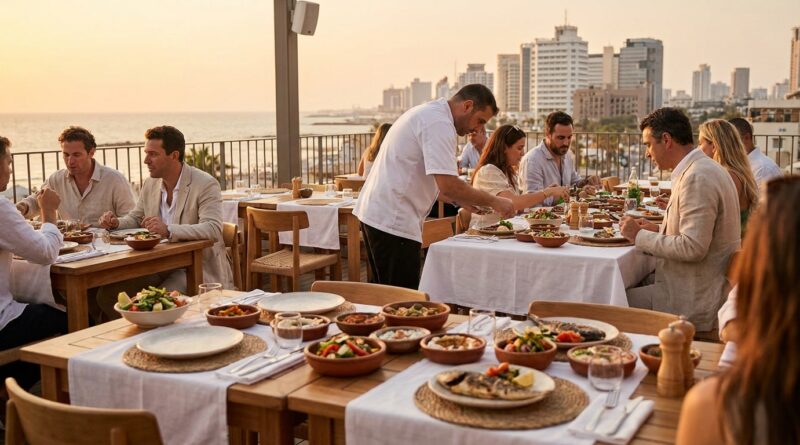
Israel’s New Hotel-Restaurants: The Rooftop Kitchens Turning Stays Into Serious Dining Destinations
You book a hotel in Israel, glance at the restaurant, and assume it is there for convenience, not excitement. Fair enough. For years that was often true. The best meals were out in the city, tucked into markets, tiny wine bars, chef counters and impossible-to-book neighborhood spots. But that map is changing, fast. Some of the best new hotel restaurants in Israel are no longer sleepy breakfast rooms with a nicer dinner menu. They are proper dining destinations, with sharp chefs, strong wine lists, local produce, beautiful rooftops and dining rooms made for people who are not sleeping upstairs.
That matters whether you live here or you are visiting. Locals get a fresh list of date-night options. Travelers get a way to turn an ordinary stay into a meal worth remembering. And in a rough stretch for hospitality, these restaurants are one of the more interesting bets in the market right now. If you have already done the markets and the obvious chef spots, this is where to look next.
⚡ In a Hurry? Key Takeaways
- The best new hotel restaurants in Israel are now serious dining destinations, especially in Tel Aviv, Jerusalem and along the coast.
- Do not just check hotel websites. Book the restaurant directly, ask for rooftop or window seating, and go even if you are not staying overnight.
- Value can be better than expected because many hotel restaurants offer polished service, strong breakfast-to-dinner programs and easier reservations than the city’s buzziest chef spots.
Why hotel dining in Israel suddenly matters
There is a simple reason this shift is easy to miss. Most travel coverage still talks about hotels in terms of rooms, pools, spas and breakfast spreads. Food gets treated like an extra. But on the ground, a different story is taking shape.
Hotels are using restaurants to define their identity. That means better chefs, more thought put into menus, smarter design and a stronger link to local produce. In some cases, the restaurant is becoming the real draw, with the room as a bonus.
This also fits the mood of the market. Diners want places that feel polished but not stiff. They want a view, good cocktails, a menu that can carry a full dinner, and a reservation they can actually get. Hotel restaurants are well placed to offer all of that.
What makes the best new hotel restaurants in Israel stand out
They are built for locals too
The old model was simple. Feed guests first. Everyone else is optional. The new model is almost the reverse. The strongest new openings want neighborhood regulars, date-night traffic and people who come just for drinks and a few plates at sunset.
You can feel that shift in the room. Better lighting. Better music. A bar with intent. Menus that make sense if you are dropping in for one dish or settling in for a full meal.
They lean on Israeli produce without turning it into a lecture
The best places are using local fish, herbs, olive oil, tomatoes, cheeses and seasonal vegetables in a way that feels natural. Not forced. Not performative. You taste the region, but you still feel like you are out for a fun dinner, not attending a seminar.
They understand the power of the setting
Rooftops matter. Courtyards matter. Dining rooms with real design matter. A hotel has one built-in advantage over a street-side restaurant. It can create a sense of escape very quickly. When the food catches up to that setting, you get something memorable.
Where to focus right now
Tel Aviv
Tel Aviv remains the easiest place to see the trend. Boutique and design-led hotels are putting real money into food and beverage, especially rooftop restaurants and all-day spaces that shift from coffee and pastries to cocktails and dinner service without missing a beat.
The sweet spot here is often not the most hyped opening of the month. It is the place inside a well-located hotel where the kitchen is confident, the terrace fills up at golden hour, and the menu gives equal attention to raw dishes, grilled fish, strong vegetable plates and desserts that feel finished, not phoned in.
If you have been following the city’s faster-moving dining scene, this hotel shift makes sense. Tel Aviv has already trained diners to chase temporary concepts and fresh formats. That same appetite for novelty is part of why pieces like Tel Aviv’s Pop-Up Restaurant Wave: The 48‑Hour Kitchens Changing How Israelis Eat Out hit such a nerve. Hotel restaurants are not pop-ups, of course, but they are tapping into the same desire for something new, stylish and worth crossing town for.
Jerusalem
Jerusalem’s hotel dining scene has a different strength. It tends to feel more grounded, more architectural and a little calmer. The best new hotel restaurants here use that to their advantage. Think stone courtyards, terraces with old-city atmosphere, menus that draw from the region, and service that feels more measured than rushed.
This is especially appealing if you want a meal that feels occasion-worthy without becoming too formal. In Jerusalem, a hotel restaurant can be one of the easiest ways to get a polished evening in a beautiful setting without the pressure of a tasting-menu temple.
The coast
Along the coast, from Herzliya down through smaller resort areas, the draw is obvious. View first. Breeze second. Then hopefully a kitchen that keeps up. The good news is that more properties are finally treating the restaurant as more than beach support. Seafood, Mediterranean grill cooking, bright salads, chilled wine and sunset timing are the winning formula here.
Not every coastal hotel restaurant is worth the trip. But the strongest ones understand that a sea view buys attention, not loyalty. To get repeat business, the cooking has to be good enough that you would still care on a cloudy day.
How to tell if a hotel restaurant is actually worth your time
Check whether locals are talking about it
If a restaurant is only marketed through the hotel, be cautious. If local diners are posting about the bar, the terrace, the chef or one or two standout dishes, that is a better sign. The goal is to find places that have escaped the “for guests only” label.
Read the menu, not just the photos
A nice room can hide a lazy menu. Look for range and confidence. Are there dishes that show some thought? Is there a clear point of view? Does the menu move beyond standard hotel-safe options?
You do not need every dish to be original. You do want signs that somebody cares. A short but sharp menu is often a better bet than three pages trying to serve everyone.
Look for a real beverage program
A serious wine list or cocktail list is one of the clearest clues that a hotel restaurant wants to be a destination. If the drinks feel like an afterthought, dinner may too.
Pay attention to service style
The good hotel restaurants in Israel often have one hidden edge. Service can be steadier than at trend-chasing city spots. Staff training matters in hotels. When that discipline meets a good kitchen, the whole evening becomes easier.
Best ways to book and get the most from the experience
Go at the right time
If the place has a rooftop or view, sunset is obvious but busy. If you want atmosphere without the crush, book 30 to 45 minutes before sunset or go later for drinks and dessert. Lunch can also be a smart move, especially in coastal hotels where daylight is part of the point.
Ask for a specific table
This is one of the easiest upgrades people forget. Ask for rooftop edge seating, a terrace table, or a quieter corner. Be polite and direct. Hotels are used to requests, and they often handle them better than stand-alone restaurants.
Do not assume you need to stay there
You almost never do. Many of the best new hotel restaurants in Israel are actively trying to pull in outside diners. If a booking page feels unclear, call and ask. Most will happily take non-guest reservations.
Use the hotel strategically
If you are traveling, a strong restaurant can change the whole value of your stay. A hotel with an excellent dinner spot and a real breakfast can save you time, reduce taxi hopping and give you one guaranteed good meal in a city you do not know well.
Why this shift is good for diners
Competition helps. When hotels start taking dining seriously, city restaurants have to keep their edge. Diners get more choice, better design, stronger service and often more reliable booking options.
It also opens up a category that many people wrote off years ago. That is useful in a country where dining scenes move quickly and where some of the most interesting work now happens outside the obvious standalone restaurant format.
For locals, this means more places for celebrations, business dinners and nights out that need a little polish. For travelers, it means your best meal does not have to come from a frantic last-minute search after check-in.
At a Glance: Comparison
| Feature/Aspect | Details | Verdict |
|---|---|---|
| Tel Aviv hotel restaurants | Best for rooftops, design-led spaces, cocktail culture and chef-driven menus that appeal to locals. | Top choice for trend-focused diners and easy date nights. |
| Jerusalem hotel restaurants | Strong on atmosphere, architecture, regional ingredients and more polished, quieter evenings. | Best for special occasions and visitors who want setting and substance. |
| Coastal hotel restaurants | Sea views, seafood-friendly menus, sunset dining and resort-style ease. | Great when the kitchen is strong. Check the menu before booking. |
Conclusion
Hotel dining in Israel is no longer the backup plan. The best new hotel restaurants in Israel are becoming some of the country’s smartest places to eat, especially if you want strong cooking without the chaos that often comes with the hottest standalone spots. That is good news for everyone. Locals get fresh options in Tel Aviv, Jerusalem and on the coast. Travelers get a more complete stay, with meals that feel like part of the trip rather than a convenience add-on. And the wider IsraRest community gets a better view of where ambitious hospitality is actually happening right now. If you have ignored hotel restaurants for years, fair enough. It might be time to look up. Literally, in some cases, to the rooftop.