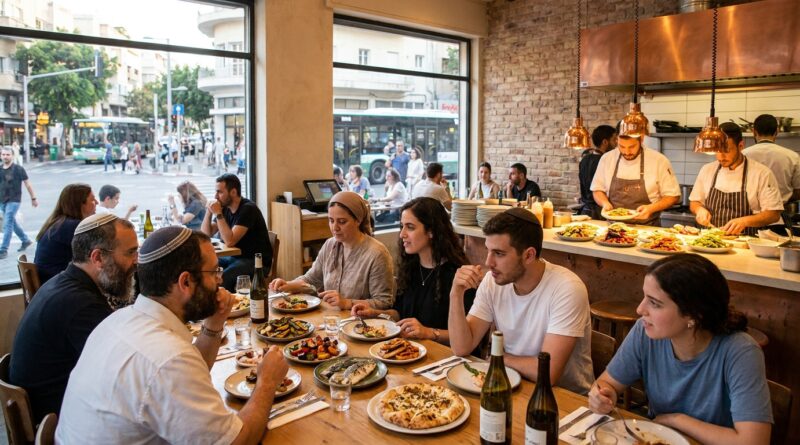
Israel’s New Kosher‑Style Wave: The Uncertified Tel Aviv Restaurants Observant Diners Are Quietly Chasing
You are not crazy if this whole “kosher-style” thing feels oddly stressful. A restaurant in Tel Aviv can sound perfect on Instagram, look careful with ingredients, keep a dairy-free or meat-free kitchen, and still leave you wondering whether you can actually relax and eat there. For observant diners, that uncertainty can ruin the fun before the bread even hits the table. And if you are planning a date night, hosting family, or visiting from abroad, you probably do not want to spend your afternoon decoding WhatsApp rumors about who is “basically kosher” this week.
Here is the simple version. The best new kosher style restaurants in Tel Aviv are usually not trying to fool anyone. Many are openly saying, “We use kosher suppliers, avoid mixing meat and dairy, and keep a kitchen many observant diners feel comfortable with, but we do not hold formal rabbinic certification.” That can work for some people and be a hard no for others. The trick is knowing what questions to ask, what signs of consistency matter, and which places have earned quiet trust from the community rather than just trendy buzz.
⚡ In a Hurry? Key Takeaways
- The best new kosher style restaurants in Tel Aviv are worth considering only if they are transparent about suppliers, kitchen rules, and Shabbat operations.
- Before booking, ask three things: Are all raw ingredients kosher, is the kitchen fully meat or fully dairy, and what changes on Shabbat?
- Kosher-style can save you a great evening, but it is not the same as certified kosher, so match the restaurant to your own standards, not social media hype.
What “kosher-style” usually means in Tel Aviv
In Israel, “kosher-style” is not one fixed legal category that tells you everything you need to know. It is more like shorthand. Usually it means a restaurant is trying to accommodate kosher-aware diners without paying for, or submitting to, formal certification.
That can include some or all of the following: kosher-labeled ingredients, no pork or shellfish, no mixing meat and dairy, separate kitchen systems, and staff who understand basic kashrut concerns. But it may also mean the place opens on Shabbat, does not have mashgiach supervision, or makes certain choices that a fully observant diner would not accept.
That is why one person’s “totally fine” is another person’s “absolutely not.” The phrase sounds clear. In practice, it is a mix.
Why this wave is growing now
Tel Aviv restaurants are under pressure. Costs are high. Diners are cautious. Owners want to attract secular locals, tourists, traditional families, and observant customers who are willing to be flexible in the right setting.
Going kosher-style is, for some operators, a middle path. It lets them widen their audience without fully changing their business model. Some open Friday night. Some avoid formal certification because of cost, politics, bureaucracy, or because they want menu freedom. Others started as neighborhood spots and slowly noticed that if they kept a cleaner, more transparent kitchen, a whole new audience showed up.
You can see similar shifts outside the city too. If you have been tracking where food-focused Israelis are heading for special meals, our piece on Israel’s New Desert Destination Dining: Inside the Remote Negev Restaurants Food People Are Quietly Chasing shows how much diners now care about trust, setting, and clear identity, not just a fancy menu.
How observant diners are deciding what to trust
This part matters more than any single restaurant list.
1. They ask about the kitchen, not just the menu
A fish restaurant that uses only kosher fish and keeps dairy out is a very different case from a bistro with an ever-changing menu and vague sourcing. Serious diners ask whether all ingredients come from kosher suppliers and whether baked goods, wine, sauces, and prepared items are also covered.
2. They look for consistency
A place can be careful on Tuesday and sloppy on Saturday night. The restaurants earning trust tend to give the same clear answers every time. Staff know what is in the kitchen. The owner does not get defensive when asked simple questions.
3. They rely on repeat customers they know
Not every recommendation in a Facebook group is useful. The comments that matter usually come from people who have eaten there more than once, asked direct questions, and can explain exactly why they were comfortable.
4. They separate “good enough for coffee” from “good enough for a family celebration”
This is where many people get tripped up. A casual breakfast spot may feel fine for one person making a private judgment call. That does not mean it is the right pick for grandparents, in-laws, or a birthday dinner where everyone assumes the same level of observance.
What to ask before you book
If you do nothing else, ask these questions. They save time and awkwardness.
Are all ingredients kosher-certified?
Do not stop at meat. Ask about cheese, wine, sauces, desserts, bread, and pantry items.
Is the kitchen fully dairy, fully meat, pareve, or mixed?
A fully dairy or fish-focused place is often easier for kosher-style diners to assess than a mixed kitchen.
What happens on Shabbat?
Some places open on Shabbat but prep earlier. Others actively cook, bake, or receive deliveries. For some diners that distinction matters a lot.
Who can answer kashrut questions?
If the host says, “I’m not sure, maybe ask the bartender,” that is a warning sign. The better places have an owner, manager, or chef who can answer clearly.
Has anything changed recently?
This is a big one in Tel Aviv right now. Menus change. partnerships change. Suppliers change. A restaurant that was trusted six months ago may not be operating the same way today.
Which kinds of Tel Aviv restaurants are earning the most trust right now
Rather than pretend there is one perfect master list that will never change, it is more helpful to point you to the types of places that are currently winning over kosher-aware diners.
Small chef-run dairy spots
These are often the easiest entry point. They may use certified cheeses, kosher pantry goods, and a simpler kitchen model. If they are transparent and ingredient-led, many observant diners feel more comfortable there than at a trendy all-day brasserie making broad claims.
Fish-forward Mediterranean kitchens
When these restaurants avoid shellfish, source kosher fish carefully, and keep dairy and meat issues simple, they often become quiet favorites. The food still feels Tel Aviv. The kitchen is easier to understand.
Bakeries and daytime cafes with strict sourcing
Some uncertified daytime places have built strong reputations because they post supplier info, explain exactly what enters the kitchen, and keep menus narrow enough that customers can verify things without a detective mission.
Restaurants led by owners with a personal kashrut commitment
This does not replace certification, of course. But in practice, community trust often grows fastest around operators who are personally traditional or deeply aware of religious diners’ concerns and speak plainly about their standards.
Red flags that should make you pause
Some signs are small. Together they tell a story.
Vague language
“We are almost kosher.” “Most things are fine.” “A lot of religious people eat here.” None of that answers the real question.
Defensive reactions
If asking about cheese, wine, challah, or Shabbat prep gets you eye-rolls, move on.
Too many menu contradictions
If a place claims to be careful but serves seafood, unclear desserts, or mixed kitchen items with no explanation, trust your instinct.
Old information online
One old review or outdated post does not tell you how the restaurant is running now.
So which places are “worth trusting” for a big night out?
The honest answer is that trust here is personal. For a big night out, the safest bets are the places that meet four tests at once: they are open about sourcing, their kitchen setup is simple to understand, they answer kashrut questions without hedging, and they already have repeat business from traditional or observant diners who are not easily impressed.
If you are choosing between a flashy new opening and a quieter spot with a clear system, pick the quieter spot. Every time.
For many readers, the sweet spot right now is not the loudest “kosher-style” restaurant on social media. It is the independent Tel Aviv place where the owner can tell you exactly which bakery supplies the bread, which winery supplies the bottles, whether any non-kosher ingredients enter the kitchen, and what the staff does differently on Shabbat.
A practical booking strategy that works
Here is the easy, low-stress way to handle this.
Step 1: Call, do not just DM
You can learn more in a three-minute phone call than in twenty comments.
Step 2: Ask your three non-negotiables
Keep it simple. Ingredients. Kitchen type. Shabbat operations.
Step 3: Match the venue to the occasion
Date night with two flexible adults is one thing. Anniversary dinner with mixed observance levels is another.
Step 4: Have a backup
This is Tel Aviv. Things change fast. Keep one certified option in your pocket if the answers feel fuzzy.
At a Glance: Comparison
| Feature/Aspect | Details | Verdict |
|---|---|---|
| Formal certification | Kosher-style places may use kosher ingredients and careful kitchen rules, but they do not hold an official hechsher. | Fine for some diners, not enough for others. |
| Best fit by cuisine | Dairy, fish-forward, or tightly focused menus are usually easier to assess than broad mixed kitchens. | Usually the smarter bet. |
| Trust signal | Clear answers on suppliers, wine, bread, Shabbat prep, and kitchen setup matter more than trendy branding. | Strongest sign a place is worth your time. |
Conclusion
Tel Aviv’s new kosher-style wave is real, and for the right diner it can open up some genuinely lovely meals that would otherwise stay off the table. But the smart move is not to treat “kosher-style” as a magic label. Treat it like a starting point. Ask a few direct questions. Pick places that are transparent, consistent, and humble about what they are and are not. That alone can save you money, stress, and one of those painful table-side debates where everyone realizes too late they meant different things by “it should be fine.” For kosher-observant travelers, families, and locals trying to navigate Israel’s changing dining scene in real time, that clarity matters. It also helps the small independent operators who are making a real effort to serve a broader crowd in good faith. And right now, they deserve to be found for the right reasons.