Israel’s New Tasting Bars: The Tiny Chef’s-Counter Restaurants Redefining Date Night
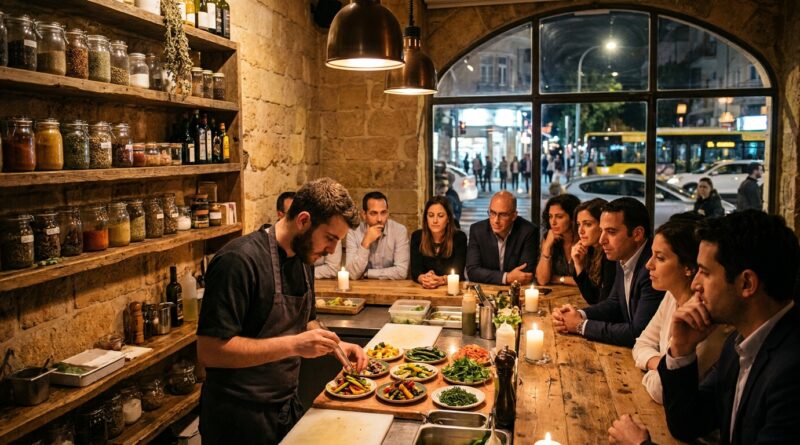
You know the routine. A friend whispers about the hottest new place in Tel Aviv, you get excited, then reality hits. No tables for eight weeks. Or worse, the room is so loud and overhyped that date night feels like standing in line for a selfie. That is exactly why Israel’s new tasting bars feel so refreshing. These are tiny chef’s-counter restaurants, often with just a handful of seats, where the whole point is closeness. You sit near the stove, talk to the people cooking, and eat dishes that may never appear on a printed menu. The catch is that they can be hard to find, hard to book, and easy to miss if you rely on old “best restaurants” lists. Right now, though, this is where the energy is. From Tel Aviv to Jerusalem and Haifa, young chefs are building intimate, low-seat restaurants that feel more like being invited into a creative studio than going out to dinner.
⚡ In a Hurry? Key Takeaways
- The most exciting new chef counter restaurants Tel Aviv diners are chasing right now are small, chef-led tasting bars with limited seats and changing menus.
- Book through Instagram, WhatsApp, or short release windows, and aim for midweek seats if weekends look impossible.
- These spots offer better conversation, more personal service, and often better value than splashy big-name openings, but you need to plan fast and stay flexible.
Why tasting bars are suddenly everywhere
Big dining rooms are expensive to open and even harder to fill night after night. For younger chefs, a counter with 8 to 18 seats makes a lot more sense. It cuts staffing needs, keeps the menu tighter, and lets them cook with more freedom.
For diners, that changes the whole night. Instead of ordering from a giant menu and waiting for the room to notice you, you are part of the action. You watch plates come together. You ask what that sauce is. You hear where the fish came from or why the chef swapped one vegetable for another that morning.
That intimacy is the real draw. It is not just about fancy food. It is about being close enough to feel the place is alive.
What makes a chef’s-counter date night better
You can actually talk
A lot of classic “special occasion” restaurants forget the most basic thing. People on dates want to hear each other. The best tasting bars solve that with fewer seats, softer room energy, and service that feels personal instead of rushed.
The menu feels current
These restaurants are often changing dishes weekly or even nightly. That means you are less likely to get the same polished plate that has been sitting on Instagram for six months.
You get a story with the meal
At a counter, food arrives with context. A server or chef tells you why a dish matters, what changed, what to eat first. For people who like food but do not want restaurant snobbery, that can be the sweet spot.
What to expect from the new chef counter restaurants Tel Aviv is producing
Not every place calls itself a tasting bar. Some look like wine bars with serious food. Some feel like micro-bistros. Some run a fixed tasting menu, while others offer a short à la carte list plus a chef’s menu.
Still, the pattern is easy to spot. Look for places with:
- 8 to 20 seats
- an open kitchen or direct line to the cooks
- a short menu that changes often
- natural wine or focused cocktail pairings
- bookings handled through Instagram, Resy-style links, phone, or WhatsApp
If you already enjoy smaller dining rooms, you may also like the energy behind Israel’s New Neighborhood Bistro Wave: The Small Tel Aviv and Jerusalem Dining Rooms Locals Are Guarding Like Secrets. There is overlap here. The difference is that tasting bars push the experience one step closer to the chef.
The cities to watch right now
Tel Aviv
Tel Aviv is still the center of the trend. That is where most of the new chef counter restaurants Tel Aviv food lovers talk about first tend to appear. Some are hidden inside wine bars. Some are side projects from chefs who left larger kitchens. Some open quietly, test the concept, then suddenly become impossible to book.
The Tel Aviv version usually leans loose and urban. Expect sharper flavors, strong wine programs, and menus that mix local produce with a very global cooking style.
Jerusalem
Jerusalem’s small-format restaurants often feel a little more grounded and a little less performative. There is still creativity, but it can come with a calmer pace and a stronger sense of place. For couples who want the intimacy without the Tel Aviv scene pressure, this can be a better fit.
Haifa
Haifa is the sleeper city. It is less picked over, often easier to book, and still full of chefs doing interesting work without as much noise around them. If you want that “how did we find this place?” feeling, Haifa may be your best bet.
How booking works, because this is where people get stuck
This is the annoying part. Many of these restaurants do not behave like old-school restaurants.
Instagram is often the front desk
Yes, really. A lot of small chef’s-counter places post reservation drops, cancellations, and menu changes in Stories. If you only check Google Maps, you may miss the opening entirely.
Some release seats in batches
Instead of taking reservations three months ahead, they may open two weeks at a time. That makes them feel booked out forever when they are actually just releasing tables in small waves.
Weeknights are your friend
Tuesday and Wednesday are often the easiest nights to score two seats. That is especially true for date nights. Four-tops can be much harder in tiny rooms.
Set alerts and be flexible
Follow the restaurant, save the phone number, and be open to early or late seatings. At these places, 7:00 and 9:30 can mean the difference between getting in next week and waiting a month.
How to tell if a place is truly worth it
Not every tiny restaurant is a great one. Sometimes “exclusive” just means “there are only ten chairs.” Here is what separates a smart booking from a forgettable one.
Look for signs of menu movement
If the dishes in recent posts all look different, that is a good sign. It suggests the kitchen is active and not just living off launch buzz.
Read the comments, not just the captions
People will often mention whether they felt rushed, whether the tasting menu was filling, and whether the chef interaction was real or just marketing.
Check how many seatings they run
One seating usually means a slower, more immersive night. Two seatings can still be great, but be aware of time limits if you are planning a long date.
Ask about dietary flexibility before booking
At tiny counters, substitutions can be limited. If one of you is vegetarian, avoids seafood, or keeps kosher-style preferences, ask first. It saves an awkward night later.
Which kind of tasting bar fits your date
For a first or second date
Pick a place with an à la carte option or a shorter tasting menu. It keeps the pressure lower and the bill more manageable.
For anniversaries or birthdays
Go for a full counter experience with pairings. This is where the chef’s-menu format shines. You are there to hand over control and enjoy the ride.
For food-obsessed couples
Look for places that mention experimental menus, guest chef nights, fermentation, fire cooking, or rare ingredient sourcing. These are usually the spots where cooks are trying things before the rest of the market catches up.
Price, value, and the tourist trap question
Small does not always mean cheap. Some tasting bars are premium experiences. But many give better value than larger trend-driven restaurants because you are paying for focused cooking instead of inflated scene tax.
Watch for these rough categories:
- Entry-level counters with small plates and wine, good for casual date nights
- Mid-range chef’s menus, usually the sweet spot for value
- High-end tasting experiences, best for special occasions
The main point is this. A hard-to-book room is not automatically the best room. If a place is already swamped with out-of-town hype, the experience can flatten fast. The newer and quieter openings are often more rewarding.
Simple strategy for landing a seat
- Search Instagram before Google.
- Check if reservations drop on a set day.
- Try for two seats, not four.
- Book Tuesday or Wednesday if possible.
- Message politely if you want the cancellation list.
- Confirm timing, menu format, and any dietary needs.
That basic approach will beat stale “best of” lists almost every time.
At a Glance: Comparison
| Feature/Aspect | Details | Verdict |
|---|---|---|
| Atmosphere | Tiny rooms, chef interaction, lower noise, more personal pacing | Best for real date-night conversation |
| Booking Process | Often handled through Instagram, WhatsApp, or limited reservation drops | More effort, but worth it if you plan ahead |
| Food Experience | Short changing menus, seasonal ingredients, direct chef storytelling | Usually more exciting than mainstream hot spots |
Conclusion
Israel’s dining scene is shifting in a quiet but very real way. Young chefs are skipping the giant dining room and going straight to intimate tasting bars where the cooking feels immediate, personal, and alive. That can be confusing for diners because the best spots do not always have flashy PR, clear signage, or even proper websites. But that is also why they still feel exciting. If you know where to look, how to book, and what kind of experience each place offers, you can stop chasing tired lists and start finding the rooms that actually matter right now. Whether you are planning a date night in Tel Aviv, a low-key evening in Jerusalem, or a food-first detour to Haifa, the reward is the same. You get a seat close to the action, and a front-row look at what Israel’s next generation of chefs is cooking in real time.