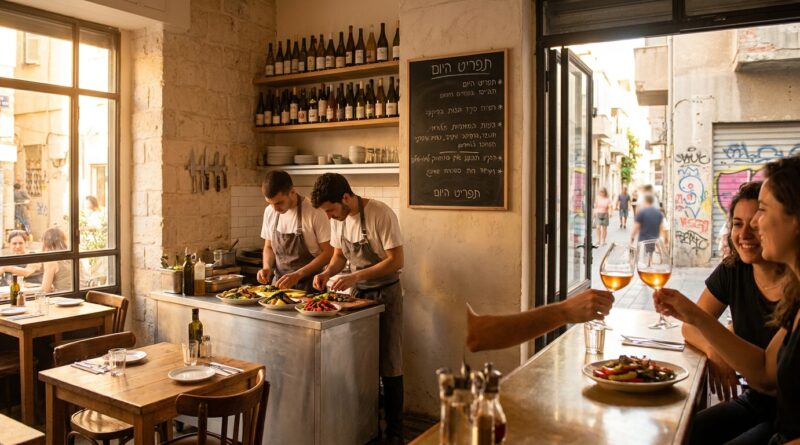
Israel’s New Neighborhood Bistro Wave: The Small Tel Aviv and Jerusalem Dining Rooms Locals Are Guarding Like Secrets
You know the feeling. You finally hear about a great new place in Tel Aviv or Jerusalem, open your phone to book, and it is already packed for the next two weeks. Or worse, you do get in, only to learn the dish everyone came for sold out an hour ago. That is the problem with most “best restaurants in Israel” lists. They arrive late, go broad, and send everyone to the same obvious rooms. If you want the best new restaurants in Tel Aviv and Jerusalem right now, the sweet spot is the small bistro. These are neighborhood-sized dining rooms with short menus, sharp cooking, and owners still on the floor watching every plate. They are where locals are booking first, before the tourist guides catch up. Below is a practical shortlist of the new intimate bistros worth your time, what to order first, and how to actually get a table without turning dinner into a part-time job.
⚡ In a Hurry? Key Takeaways
- The best new restaurants in Tel Aviv and Jerusalem right now are small bistros with limited seating, seasonal menus, and strong wine lists.
- Book early in the week, aim for first or second seating, and ask what is likely to sell out before choosing your arrival time.
- Skip generic rankings. New places change fast, so focus on intimate neighborhood spots where the menu and service are still at their sharpest.
Why the small bistro is where the action is
Big openings get the noise. Small openings get the good cooking.
That is especially true right now in Israel. In Tel Aviv and Jerusalem, some of the most interesting meals are happening in compact rooms with 20 to 40 seats, a handwritten specials board, and a chef who still tweaks the menu almost daily.
These are not places trying to be all things to all people. They usually do a few things very well. Maybe it is grilled fish with peak-season vegetables. Maybe it is a smart take on local comfort food with a serious bottle list. Maybe it is a classic bistro setup, but with Israeli produce and less formality.
The result is simple. Better focus, fewer weak dishes, and a meal that feels personal.
What makes a new bistro worth booking now
Not every new room deserves the scramble. Here is what separates the promising ones from the ones surviving on launch buzz.
1. A short menu that actually says something
If the menu is compact and every dish sounds considered, that is usually a good sign. It often means the kitchen knows its identity and is not padding things out.
2. A neighborhood crowd, not just opening-week hype
Look for places where locals are returning, not just posting once. Repeat customers matter more than pretty first-night photos.
3. A wine program with some personality
One clue that a place takes itself seriously is the drinks list. It does not need to be huge. It just needs a point of view. Natural wines, good Israeli bottles, thoughtful by-the-glass pours. That is often where English-language roundups miss the story.
4. Dishes that can sell out
This sounds annoying, and yes, it can be. But it is also a sign the kitchen is buying and cooking in small batches. A sold-out special is frustrating. A menu where everything tastes mass-produced is worse.
The kinds of new bistros locals are quietly choosing
Because openings move fast, the smartest way to track the best new restaurants in Tel Aviv and Jerusalem is by type, not hype. Here are the formats getting the strongest local attention right now.
Tel Aviv: produce-first bistros with a little swagger
Tel Aviv is strong at the casual-but-serious room. Think polished neighborhood spots where the tables are close together, the music is lively but not punishing, and the menu leans hard on seasonal vegetables, fish, and very good bread.
What to order first at a place like this:
- One raw starter, especially if it uses local fish or tomatoes in season
- A house bread service or dip trio, if offered
- One vegetable dish that sounds almost too simple. These rooms usually shine there
- The fish special or roast chicken, if that is clearly the kitchen’s anchor plate
If the bistro is near a market zone, it is worth cross-checking with guides like Israel’s New Shuk-Adjacent Stars: The Tiny Side-Street Restaurants Food People Are Ducking Into Before The Crowds Notice, since a lot of the freshest openings are feeding off daily produce runs and walk-in local traffic.
Jerusalem: tighter dining rooms, deeper comfort, better surprises
Jerusalem’s new bistro wave tends to feel a bit more tucked in. Smaller rooms. Slower energy. More dishes that build from long-cooked flavors, local herbs, and comforting textures.
What to order first in Jerusalem:
- A warm starter with legumes, tahini, roasted vegetables, or market greens
- Anything braised or wood-roasted
- A dessert that sounds old-school or regional, not flashy
- A local wine by the glass, even if you were planning on beer
Jerusalem bistros also reward a little patience. Sometimes the room looks understated and the plating is not chasing trends. Then the food lands, and you get why regulars are protective of the address.
How to book before everyone else does
This is the part people usually skip, then complain about later.
Book for earlier in the week
Sunday through Tuesday can be your best shot, especially in the first month after opening. Weekends go first. Always.
Take the first seating if you care about specific dishes
If a place has a special fish, a one-night pasta, or a dessert everyone is talking about, earlier is safer. Late bookings are where disappointment lives.
Call, do not just rely on booking apps
Some of the smallest places hold a few seats back, especially at the bar or on a tiny patio. A quick call can get you in when the app says no.
Ask one smart question
Try this: “If this is our first visit, what tends to sell out early?”
You will often get a more useful answer than from a dozen social posts.
Go as a pair if you want flexibility
Two tops are easier to place than groups. If your main goal is trying the room before it gets famous, smaller is better.
How to order on a first visit without wasting the meal
Do not make your first dinner at a tiny new bistro too complicated.
A good formula is simple:
- Two starters
- One vegetable or bread course
- Two mains or one main plus a larger special to share
- One dessert, even if you think you are full
This gives you a read on the kitchen. You want to taste the house style across raw, cooked, and sweet. If everything is fighting for attention, that tells you something. If the meal builds naturally, you have probably found a keeper.
What to watch for once you sit down
The details matter.
Fresh bread that arrives warm. A server who knows which farmer or winery a dish comes from. A short menu that still feels complete. Confident pacing. These are signs the place is not just new. It is good.
And if there is one dish every nearby table seems to be ordering, pay attention. Locals often spot the winner before the critics do.
Why these places rarely show up on broad tourist lists
Because they are hard to summarize in a lazy roundup.
Small bistros change quickly. Menus shift. Chefs swap dishes out. Wine lists improve month to month. A room that felt half-formed in week one can become essential by week four. That makes these places harder to pin down for big travel pieces, but much more rewarding for people actually trying to eat well now.
That is also why broad “must-eat” lists tend to age badly. If you are chasing current dining energy, the better move is to follow focused neighborhood intel instead of generic rankings.
At a Glance: Comparison
| Feature/Aspect | Details | Verdict |
|---|---|---|
| Best booking strategy | Reserve Sunday to Tuesday, choose early seating, and call directly for hidden bar or counter spots. | Best way to beat the rush. |
| Best first-order approach | Start with raw or warm starters, add a vegetable plate, then order the house main or nightly special. | Gives the clearest read on the kitchen. |
| Where the value is | Small neighborhood bistros often offer more personality and sharper cooking than larger high-hype openings. | Best choice if you want substance, not just buzz. |
Conclusion
If you are tired of arriving late to every big restaurant story, this is the better route. Israel’s restaurant scene is moving fast, and the most exciting work is often happening in small neighborhood bistros, not the loudest openings. That is where chefs are testing hyper-seasonal Israeli plates, building smart wine lists, and creating the kinds of rooms locals want to keep to themselves. Focus on the intimate new spots that opened in the last few weeks, book with a little strategy, and order like you want to understand the kitchen, not just collect photos. Done right, you can trade FOMO for a real book-tonight plan, and eat ahead of the crowd instead of behind it.