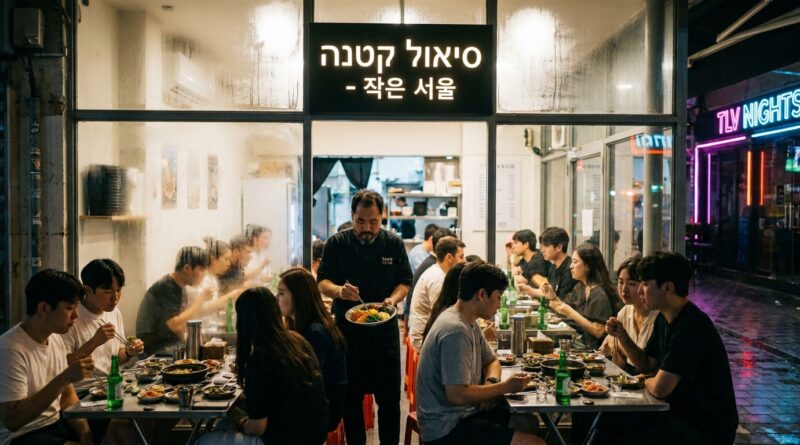
Israel’s New Wave Of Korean Kitchens: Where Tel Aviv Locals Are Sneaking Off For Bibimbap And Soju Nights
You know the feeling. You want one dinner in Tel Aviv that does not end with another hummus plate, another loud brasserie, or another list of “Asian fusion” spots that all look the same. You search for a new korean restaurant tel aviv 2026, and the internet keeps handing you yesterday’s answers. Meanwhile, locals are quietly slipping into smaller places with handwritten specials, hot stone bowls, and actual Korean side dishes that did not come from a freezer bag. That is where the interesting shift is happening now. A fresh wave of Korean kitchens in Israel, many run by immigrants or second-generation cooks, is finally moving from delivery-only popups into real dining rooms. The result is better food, more personality, and a night out that feels discovered rather than marketed. If you want bibimbap, crispy fried chicken, kimchi stew, and a clean pour of soju, this is the lane to watch right now in Tel Aviv.
⚡ In a Hurry? Key Takeaways
- A just-opened wave of Korean home-style spots is changing where Tel Aviv locals go when they want something beyond the usual city staples.
- For the best experience, go with a small group, order one rice dish, one stew, one fried item, and soju or Korean beer to share.
- These newer places are often tiny and still settling in, so check hours on Instagram or call ahead before showing up late.
Why Tel Aviv’s Korean Food Scene Suddenly Feels Different
For years, Korean food in Israel mostly lived in the margins. You found it on delivery apps, at occasional market stalls, or as one menu section tucked inside a broader Asian restaurant. Good sometimes, but rarely the full picture.
That is changing in 2026. What makes this moment worth your attention is not just that there are more Korean dishes around. It is that more cooks are opening physical spaces with a point of view. They are serving food that feels closer to home cooking than to trend-chasing. That means better banchan, deeper broths, sharper kimchi, and menus that are not afraid of fermentation, heat, or comfort.
For diners, this is excellent news. It gives Tel Aviv another flavor lane that sits outside the city’s usual rotation of pita, pasta, and polished small plates.
The Kind of Place Locals Are Actually Seeking Out
The most talked-about new korean restaurant tel aviv 2026 is not necessarily the one with the biggest PR push. It is usually the one with a compact menu, a tiny dining room, and dishes that taste like someone cares whether the rice is right.
Look for signs like these:
- House-made or carefully sourced kimchi.
- A short menu built around bibimbap, jjigae, kimbap, Korean fried chicken, and a few rotating specials.
- Banchan that changes, even a little, from week to week.
- Staff who are happy to explain what to mix, what to share, and what level of spice makes sense.
- Late-evening energy with soju bottles on tables, not just lunch bowls rushing out the door.
That last point matters. A true Korean night out is not just about the main dish. It is about the rhythm of the meal. Small plates arrive. Someone orders extra rice. A stew bubbles in the middle. Soju appears. Then suddenly it is much later than you planned.
What to Order If You Are New to Korean Food
Start with bibimbap if you want one safe bet
Bibimbap is the gateway dish for a reason. It is a bowl of rice topped with vegetables, protein, egg, and gochujang, the sweet-spicy red pepper paste that brings it together. In a good place, each topping keeps its own texture. Nothing tastes mushy or anonymous.
If there is a stone-bowl version, get it. The bottom layer of rice crisps up and adds that golden, toasty edge that makes the dish far more interesting.
Order a stew for the table
Kimchi jjigae or doenjang jjigae can tell you a lot about a kitchen. Good stew is not flashy. It is rich, warming, and built on patience. If the broth tastes deep and balanced, that is usually a strong sign the rest of the menu is worth your time.
Do not skip the fried chicken
Korean fried chicken is one of the easiest wins on any menu. It is crisp, sticky, salty, and perfect with drinks. If a place offers both soy-garlic and spicy glaze, bring friends and get both.
Let the side dishes do their job
Banchan are not decoration. They reset your palate, add crunch or acidity, and make the meal feel complete. If the side dishes are thoughtful, the restaurant probably is too.
How to Spot a Good Korean Home-Style Kitchen in Tel Aviv
You do not need to be an expert. A few clues can help fast.
First, check the menu length. If it runs for pages and jumps from sushi to pad thai to ramen to bibimbap, that is a warning sign. A narrower menu usually means more focus.
Second, watch the room. Are there Korean drinks on tables? Are people sharing? Does the food arrive in stages rather than all at once? Those little details often tell you whether the place understands the meal beyond the recipe.
Third, ask one simple question: “What do you recommend if this is my first time here?” Good small restaurants usually answer clearly and honestly. They want you to enjoy the place, not feel tested.
Why These Openings Matter Beyond One Good Dinner
This is bigger than a food trend. Small immigrant-run and second-generation kitchens opening real storefronts changes the city in a practical way. It means cuisines once treated as niche get to exist in full public view. Not hidden on apps. Not reduced to one token dish. Actually present.
That broadens the idea of what Israeli food can look like in 2026. Cities grow through these small openings. One modest dining room can do more for a food scene than ten glossy listicles.
It also gives travelers something better than the standard itinerary. If you are visiting Tel Aviv this week, this is exactly the sort of dinner worth scheduling. It is current. It feels local. And it is still under the radar enough to feel like your own find.
Practical Tips Before You Go
Check social media, not just map listings
New places often update hours, menu changes, and sell-outs on Instagram before anywhere else. This is especially true in their first months.
Go early or be flexible
Many of these restaurants are small. Some are still figuring out staffing and service rhythm. If you arrive at peak dinner time without a reservation, you may wait.
Bring a sharing mindset
Korean food opens up when you order across the menu. One person with one bowl misses the point a little. Two to four diners is the sweet spot.
Expect personality over polish
These are often not giant restaurant groups with designed-to-death interiors. That is part of the appeal. If the room is simple but the kimchi sings, you are in the right place.
At a Glance: Comparison
| Feature/Aspect | Details | Verdict |
|---|---|---|
| Menu style | Short, focused menus with bibimbap, stews, chicken, kimbap, and rotating specials tend to signal a more serious kitchen. | Better than broad “pan-Asian” menus. |
| Dining experience | Small rooms, shared dishes, banchan, and soju make the meal feel more social and closer to Korean home-style dining. | Best for a casual night out with friends. |
| Value for diners | You get a fresh alternative to Tel Aviv’s usual food loop while supporting new immigrant-run and second-generation businesses. | High value, especially for repeat visitors and curious locals. |
Conclusion
If you have hit the point where every Tel Aviv dinner option starts to blur together, this is your reset button. The rise of new Korean kitchens is not hype for hype’s sake. It is a real shift in Israel’s dining scene, with small, immigrant-run and second-generation Asian cooks finally opening physical restaurants instead of staying stuck on delivery apps. Finding a just-opened, genuinely Korean home-style spot gives you more than a good bowl of bibimbap. It gives you a new way to experience a city you thought you already knew. For locals, that means one less default mezze night. For tourists, it means a plug-and-play evening that probably is not on the generic roundups yet. Go soon, go hungry, and order more than one thing. This corner of Tel Aviv is getting more interesting by the week.