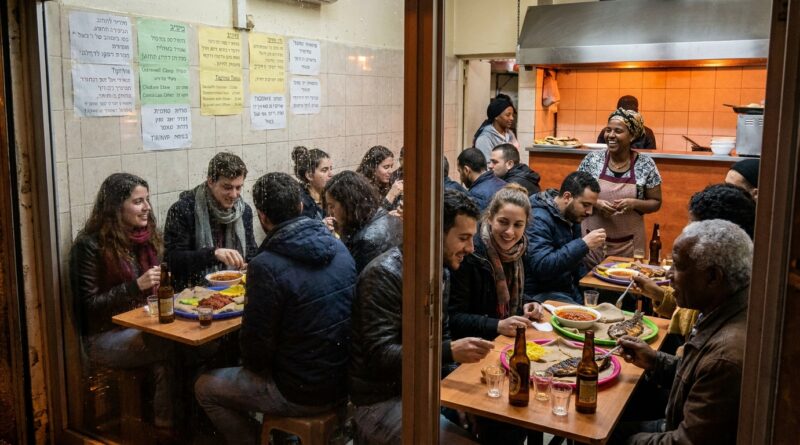
Israel’s New Refugee-Run Kitchens: The Tel Aviv and Haifa Restaurants Turning Asylum Stories Into Menus
You know the feeling. You open another “best restaurants in Tel Aviv” list, and it is the same loop again. Carmel Market. The same chef places. The same impossible reservations. If you are hungry for something that actually feels new, this is where things get interesting. Some of the most original meals in Israel right now are coming out of small, refugee-run kitchens in south Tel Aviv and downtown Haifa. They are not polished for tourists, and that is part of the point. These places are serving food tied to memory, migration, and home: Darfuri stews, Tigrinya injera platters, Khartoum-style falafel, and Congolese grilled fish. Many are also cheaper than the city average. The catch is that they are easy to miss, and many barely show up in English at all. So if you have been searching for new refugee run restaurants Tel Aviv locals have not already over-posted to death, this guide gives you real places to try, what to order, and how to go respectfully.
⚡ In a Hurry? Key Takeaways
- Some of the most exciting new meals in Israel are coming from refugee-led kitchens in south Tel Aviv and central Haifa, not the usual food districts.
- Go early, bring cash as backup, and ask what the house specialty is instead of ordering the safest familiar item.
- These areas are generally fine for food-focused visits, but use normal city awareness at night and be respectful about photos and personal questions.
Why these restaurants matter right now
A lot of food coverage treats “hidden gems” like a marketing trick. This is different. These kitchens are hidden because the people behind them often sit outside the mainstream story of Israeli dining.
That means two things for diners. First, you get dishes you genuinely cannot find in the standard Tel Aviv restaurant circuit. Second, your money goes somewhere direct. A meal here is not just another night out. It can make a real difference to a small business that is still finding its footing.
That is especially true now. Some of these places are new enough that a strong summer or one good tourist season could help decide if they stay open.
What kind of food you will find
Do not expect a single style. “Refugee-run” is not a cuisine. It is a group of businesses built by people from very different places, often East Africa and Sudan, each bringing their own cooking traditions.
Darfuri and Sudanese cooking
Look for slow-cooked stews, bean dishes, flatbreads, spicy salad sides, and falafel with a different seasoning profile than the standard Israeli version. Sudanese food often lands as comforting, filling, and deeply savory.
Eritrean and Tigrinya kitchens
You may find large injera platters topped with lentils, greens, stewed chickpeas, beef or lamb dishes, and rich berbere-spiced sauces. This is ideal if you like meals built for sharing.
Congolese home-style food
This can mean grilled fish, plantains, cassava, rice, peanut-based sauces, and stews with a smoky, earthy depth. It is not common in Israel, which makes it worth seeking out.
Where to look in Tel Aviv
If your search is for new refugee run restaurants Tel Aviv visitors can reach without a whole expedition, start in south Tel Aviv. Around Neve Sha’anan, the streets near the Central Bus Station area, and nearby side roads, you will find the highest concentration.
Yes, the area has a rough reputation. Some of that is outdated, some of it is fair, and most of it just means you should visit like you would any dense urban area. Go with purpose. Visit in the late afternoon or early evening if you are new to the neighborhood. Stick to active streets. Use a taxi back if it is late and you are tired.
What to expect on the ground
Many of these spots are modest. Some are half-cafe, half-community hub. Menus may be partly in Hebrew, partly in another language, or just explained verbally. Decor ranges from basic fluorescent dining room to cheerful and homespun.
That is not a warning. It is the appeal. You are going for flavor and story, not mood lighting.
Where to look in Haifa
Haifa has its own version of this story. Downtown and lower-city streets have become home to small, interesting kitchens run by newer communities and longtime migrants who are finally getting more notice. The pace is a little easier than Tel Aviv, and the mix of diners can feel more local.
If Tel Aviv gives you the thrill of discovery, Haifa often gives you a slightly calmer experience. It is a good option if you want to try something new without the intensity of south Tel Aviv’s street scene.
How to find the right place without wasting a night
This is where people give up too soon. They walk into one empty room, get nervous, and head back to a known hummus spot. Fair enough. But there is a better way.
1. Go for a signature dish, not the full menu
Ask one simple question: “What is your specialty today?” You will usually get the most confident, freshest, and most meaningful dish in the house.
2. Check opening rhythms, not just opening hours
Some of these restaurants keep flexible schedules. A listed opening hour does not always mean the full menu is ready. If you can, call ahead or message through Google Maps or WhatsApp if a number is listed.
3. Bring cash
Cards are common in Israel, but smaller places may prefer cash or have payment quirks. Bring both and save yourself the awkward end to an otherwise great meal.
4. Go with two to four people
This is the sweet spot. You can order enough to try several dishes without turning it into a logistical project.
What to order if you are new to these cuisines
If you are not sure where to start, use this simple cheat sheet.
Best first order for cautious eaters
Try a mixed injera platter, grilled fish with rice, or a bean-based stew with bread. These dishes are usually balanced, filling, and easy to love.
Best order for adventurous eaters
Ask for the house stew, daily special, or a mixed meat platter. This is where you are more likely to taste the dishes people actually cook for themselves.
Best value order
Combination platters and rice-based plates often give the most food for the money. In many of these spots, you can eat very well for less than a standard central Tel Aviv dinner.
Etiquette that helps more than you think
You do not need to be nervous, just thoughtful.
Do ask questions about the food
People are usually happy to explain ingredients and traditions. Food questions are welcome.
Do not treat the staff like a field trip
There is a line between curiosity and turning someone’s life into dinner entertainment. If people volunteer their story, listen. If not, let the meal be the meal.
Ask before taking photos
Especially inside small spaces or if staff are visible in the frame. Some diners and owners may not want to be photographed.
Be patient
These are often small operations. Service may be slower than at a polished central-city restaurant. That is normal.
Safety and comfort notes
Let’s keep this practical. South Tel Aviv and parts of lower Haifa are not dangerous by default, but they are not curated tourist bubbles either.
- Visit in daylight or early evening if it is your first time.
- Use a taxi or rideshare if the route back feels inconvenient.
- Keep valuables tucked away, same as in any busy urban area.
- If a street feels empty and off, move one block over to a busier route.
Most people who go with basic awareness have a completely normal, rewarding experience.
Why these places stay under the radar
Part of it is language. Part of it is location. Part of it is that food media tends to reward polish, branding, and PR-friendly stories. A tiny dining room near the bus station, no matter how memorable the cooking, has a harder time breaking through.
That is why a little effort pays off here. You are not chasing hype. You are getting ahead of it.
How to support these restaurants well
If you love the meal, do the useful things. Leave a clear Google review in English and Hebrew if you can. Tag the place accurately on social media. Tell people what to order. Return with friends. Those small actions matter more than one dramatic post about “discovering” somewhere.
The goal is to send customers, not just attention.
Who should try this, and who probably should not
This is for you if:
You are bored with predictable Tel Aviv lists. You like trying regional food. You care where your money goes. You can handle a little uncertainty in exchange for a memorable dinner.
Maybe skip it for now if:
You need spotless design, fixed hours down to the minute, and a menu that reads like a hotel binder. There is nothing wrong with that. It is just not this experience.
At a Glance: Comparison
| Feature/Aspect | Details | Verdict |
|---|---|---|
| Food originality | Dishes such as Darfuri stews, Eritrean injera platters, Sudanese falafel, and Congolese fish are still rare in Israel. | Excellent for diners tired of copy-paste restaurant lists. |
| Price | Many meals come in below standard Tel Aviv pricing, especially combo platters and daily specials. | Strong value, often better than trendier areas. |
| Comfort and logistics | Hours can vary, service may be slower, and neighborhoods are more functional than polished. | Best for flexible, curious eaters who plan a little ahead. |
Conclusion
If you want a meal that feels genuinely fresh, this is where to start. A cluster of newly opened, refugee-led spots in south Tel Aviv and downtown Haifa are quietly serving dishes you will not find anywhere else in Israel, often at prices that still feel fair. Better yet, these meals come with real human context, not manufactured hype. Most English-language coverage barely notices them, so people keep walking past some of the country’s most interesting food. That creates an opening for diners who are curious, respectful, and hungry for something more than another recycled “best of” list. Go tonight with an open mind, ask what the house does best, and spend your money where it can do some good. You may end up with your most memorable meal of the trip, and help a young restaurant survive long enough for others to find it too.