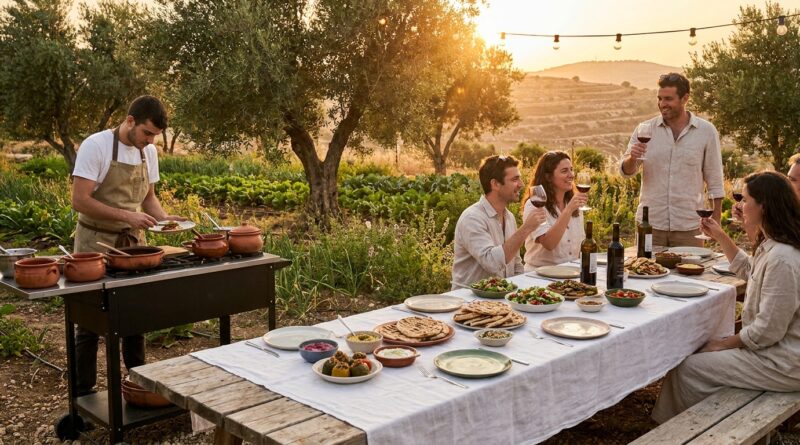
Israel’s New Seasonal Tasting Rooms: The Farmside Restaurants Only Open A Few Nights A Month
You know the feeling. You’ve done the famous Tel Aviv tables, saved the same restaurant reels everyone else saved, and still get the sense that the real action is happening somewhere you are not looking. Right now, that is mostly true. Some of the best new farm to table tasting menu restaurants in Israel 2026 are not flashy city openings at all. They are seasonal tasting rooms on moshavim, kibbutzim, wineries and working farms, often open only a few nights a month and booked through Instagram stories, WhatsApp lists or a single link in bio.
That can be frustrating if you want a great meal without playing detective. The upside is that these places often feel fresher, more personal and, in many cases, better value than the big-name rooms. The menu changes with the field, the orchard, the catch or the cheese batch that week. If you can stay flexible and know what signs to look for, you can get in before the crowds do and eat where chefs are actually experimenting.
⚡ In a Hurry? Key Takeaways
- The most exciting new Israeli tasting rooms are small countryside pop-ups on farms and wineries, not the usual city launches.
- Book through Instagram, WhatsApp updates and direct messages, and aim for midweek or early-release dates if you want seats.
- Check road access, dietary fit and cancellation terms first, because these venues are remote, seasonal and often run by very small teams.
Why these tasting rooms matter right now
Israel’s dining scene has changed shape. New restaurants do not always open with a big PR push anymore. A chef may test a menu on a farm in the north for six nights this month, pause during harvest, then come back with a totally different meal in three weeks. Another team might run Friday brunch at a winery and Saturday sunset dinners in a greenhouse. If you wait for mainstream roundups, you are often late.
That is why these places feel exciting. They are still finding their voice. The chef is usually close to the produce. The grower is part of the story. The room is tiny. Sometimes it is literally a converted packing shed with ten tables and a view of vines or olive trees.
If you liked the shift toward intimate rural dining, you should also read Israel’s New Hyper‑Local Tasting Menus: The Tiny Countryside Kitchens Food Insiders Are Rushing To Book First. It tracks the same move away from polished city sameness toward smaller, ingredient-led cooking.
What a “seasonal tasting room” actually means
Do not picture a standard restaurant with a farm-themed logo. These places are usually more specific than that.
Small by design
Many have 12 to 30 seats. A few run one long communal table. This keeps service simple and lets the kitchen serve a set menu without the chaos of a full à la carte room.
Open irregularly
Some open only on Thursday nights. Others appear for two weekends during fig season, then disappear until grape harvest or cooler weather. “New” does not always mean permanent.
Menus tied to what is ready now
You may see tomatoes one month, green almonds the next, then stone fruit, herbs, goat cheeses or just-pressed olive oil depending on the season and region. That is the point. The menu should move.
Less formal than fine dining, but still thoughtful
Do not expect stiff white-tablecloth service everywhere. Expect hand-thrown plates, a quick story from the chef, local wine pairings and dishes that feel grounded in the area rather than styled for social media first.
How to spot the best new farm to table tasting menu restaurants in Israel 2026
If you want the short version, look for places with three things. A real source for ingredients. A limited schedule. A menu that changes often enough to prove they are cooking with the land, not just talking about it.
Good signs
A chef names the farm, vineyard, dairy or fishermen they work with. The menu changes weekly or by season. Reservation notes mention weather, harvest dates or outdoor seating. The wine list is local and short, not generic. The photos look like a real place, not a branding exercise.
Red flags
Everything sounds “local” but nobody says from where. The menu never changes. The venue claims to be a farm experience but only shows indoor plating shots. Booking is vague, prices are hidden or the cancellation policy is missing.
Where these openings are popping up
You do not need exact addresses to understand the pattern. The strongest movement is spread across wine country, orchard belts and kibbutz dining spaces that can be reworked into intimate supper clubs.
Galilee and Golan
Great for cool-climate produce, cheeses, herbs, vineyards and dramatic views. These are often the most destination-worthy, but also the hardest to book at short notice on weekends.
Jezreel Valley and lower north
Strong farm access. Easier weekend planning from central Israel. You often get a cleaner farm-to-table link here because producers and chefs are working side by side.
Judean Hills and winery zones
This is where tasting menus and wine pairings really click. Some of the smartest setups are chef residencies inside winery spaces that would otherwise go quiet at night.
Negev edges and desert farms
Less common, but worth watching. When these events happen, they can feel totally different from the north. Think fire cooking, desert herbs and night air as part of the meal.
How to book before everyone else does
This is the practical part. If you skip it, you will keep seeing “sold out” screenshots.
Follow the venue, chef and producer
Do not follow only the restaurant account. Follow the chef, the winery, the farm shop and sometimes even the event host. Seats are often announced in one place first and reposted later elsewhere.
Turn on story notifications
Yes, really. A lot of these openings are announced in stories because they are quick, informal and easy to update if weather changes.
Join mailing lists and WhatsApp groups
Small operators often use these because they cost less and work better than a full booking platform. It can feel old-school, but it is usually where the first release goes out.
Go midweek if you can
Thursday and Friday seats vanish first. A Tuesday or Wednesday tasting room often gives you the same menu, more relaxed service and a better shot at booking.
Be ready to commit fast
These are tiny operations. Once a food creator posts one reel, availability can disappear in hours. If the menu, location and price work for you, book it.
What to ask before you drive out
Because many of these places are remote, charming and lightly organized, a few basic checks can save you a bad night.
Is the menu fixed?
Usually yes. If you are vegetarian, gluten-free or have allergies, ask clearly before paying. Small kitchens may adapt, but not always.
Is the seating indoors, outdoors or weather-dependent?
This matters more than people think. A beautiful field dinner in spring can be perfect. In wind, heat or unexpected cold, less so.
How long is the meal?
Some are relaxed two-hour tastings. Others stretch into a full evening with wine pours, producer talks and slow pacing.
What is the road like?
Not every destination is easy at night. Check parking, last-mile directions and whether standard navigation apps actually get you there.
What happens if plans change?
Cancellation terms can be strict because every seat matters to a 16-seat room. Read the policy before you book.
Are they really affordable?
Surprisingly often, yes. Not cheap, exactly. But better value than you may expect.
Big-city tasting menus carry city rent, larger payrolls and a higher branding premium. A small countryside setup can put more of your money into ingredients and less into overhead. You may get six to nine courses, local wine and direct interaction with the chef for less than a major Tel Aviv dinner that feels half as personal.
Of course, “affordable” depends on travel, wine and whether you turn the meal into a weekend stay. But on a per-experience basis, many of these rooms punch above their price.
What makes the best ones memorable
It is not just the produce. It is the feeling that the meal belongs to the place.
The tomatoes taste different because they were picked nearby that morning. The cheese course makes sense because the dairy is ten minutes away. The wine is not there to pad a markup. It is there because you are sitting in the region where it was made. Even simple dishes land harder when the setting and sourcing line up.
The best version of this trend is not luxury for luxury’s sake. It is focused cooking, local confidence and a small team doing one thing well.
How to build a smart weekend plan around them
If you are local, keep one flexible evening a month free for these bookings. If you are visiting, do not anchor your whole trip around one hard-to-confirm dinner unless you have a backup plan.
For locals
Pick a region, follow five to eight relevant accounts and be willing to drive. You will beat the hype if you move early.
For travelers
Base yourself near a cluster of wineries, farm shops or rural guesthouses. That way one dinner booking can turn into a full day of tasting, shopping and low-stress travel.
For groups
These rooms can be great for birthdays and friend trips, but ask about private buyouts or communal-table etiquette. Not every intimate venue works well for loud celebrations.
At a Glance: Comparison
| Feature/Aspect | Details | Verdict |
|---|---|---|
| Booking difficulty | Tiny seat counts, irregular dates and bookings often released on Instagram or WhatsApp first | Worth the extra effort if you act fast |
| Food experience | Season-driven set menus with stronger chef-to-grower connection than many city spots | Often more original and personal than mainstream openings |
| Value and logistics | Usually fair pricing, but travel time, weather and strict cancellation policies matter | Best value for flexible diners who plan ahead |
Conclusion
If you are tired of chasing the same polished lists, this is the smarter move. Israel’s new restaurants are increasingly “opening” quietly in the countryside first, long before they hit the mainstream. Seats go fast once somebody posts, so knowing how these seasonal tasting rooms work gives you a real edge. For the IsraRest community, that means better last-minute weekend choices, less hype-chasing and more support for small chef-grower teams doing genuinely new work outside Tel Aviv. Catch them early, and you will usually eat better, spend more wisely and come home with a story that does not sound like everybody else’s.